

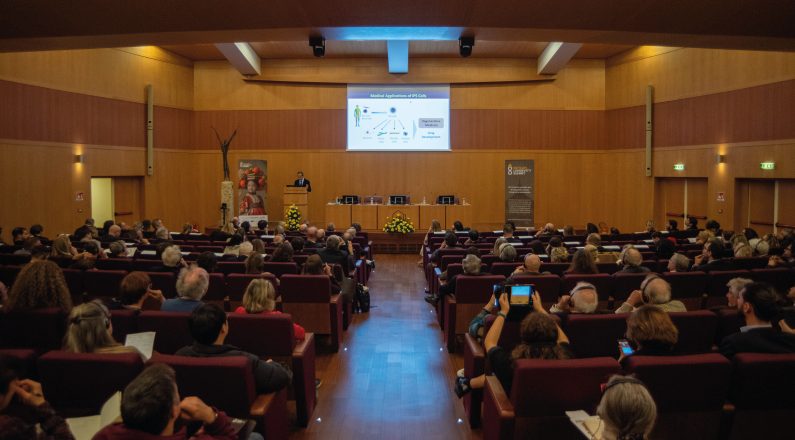
(ZENIT News / Rome, 04.20.2025).- In a bold and contemplative response to one of humanity’s most urgent frontiers—the aging population—the Vatican has just concluded its first-ever Longevity Summit, held at the Augustinianum Congress Center in Rome. Far from being a conventional gathering of scientists, the summit fused cutting-edge biomedical research with the spiritual and ethical vision of Pope Francis, who sees old age not as decline but as a blessing.
The event, organized by the International Institute of Neuroethics (IINBE) in partnership with BrainCircle Italia and under the auspices of the Pontifical Academy for Life, brought together Nobel laureates, leading neuroscientists, epigenetics experts, regenerative medicine pioneers, and public officials. Yet the central question was not how long we can live, but how meaningfully we should live as we age.
“How can we live longer, healthier, and with greater purpose?” asked Father Alberto Carrara, LC, organizer of the summit, as he opened the conference on March 24. His words set the tone for two days of rigorous dialogue at the intersection of science, ethics, and spirituality. “We are here not only to challenge the biological clock,” he said, “but to ask what it means to be fully human throughout all stages of life.”
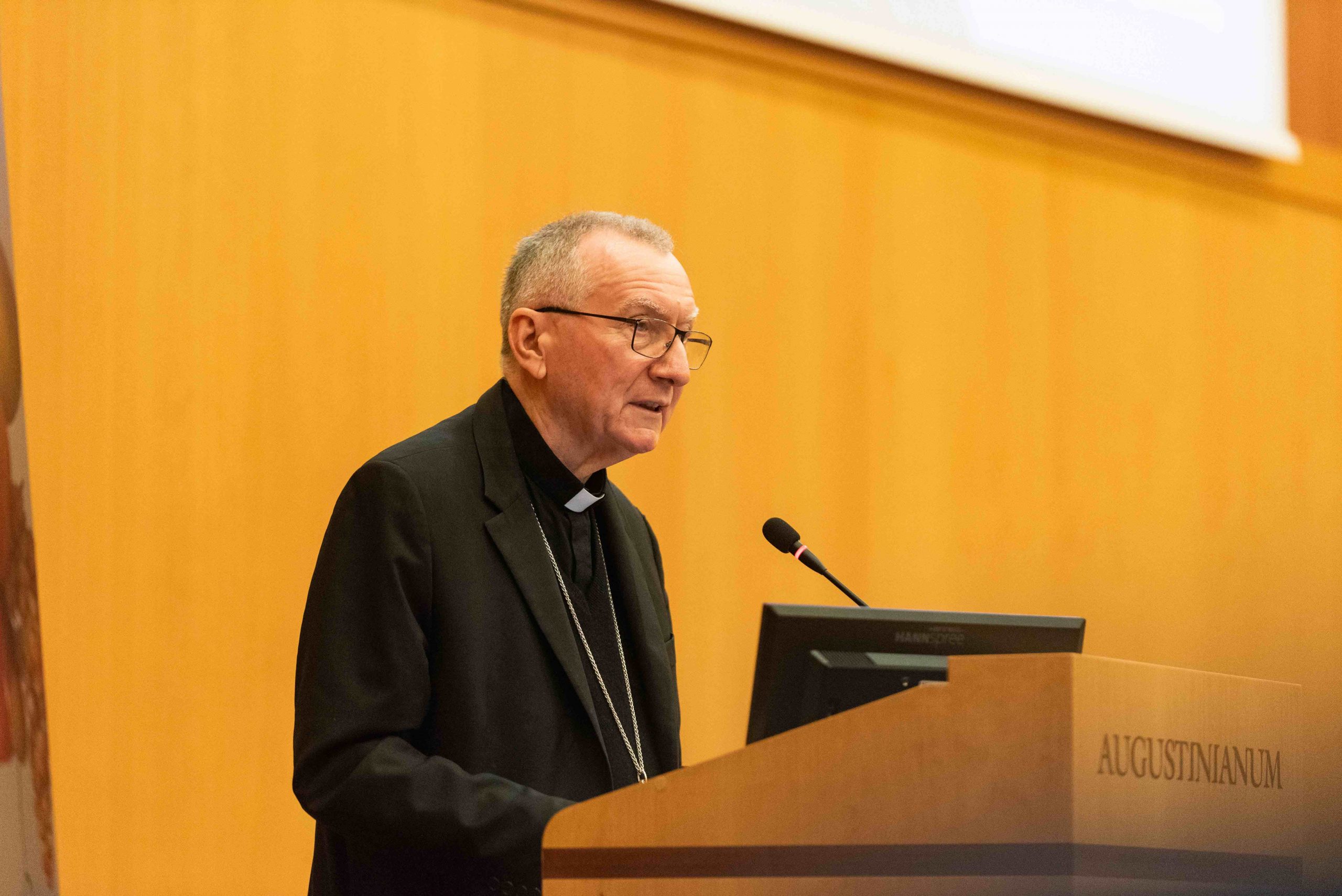
Father Carrara read aloud a personal message from Pope Francis—his first public communication since being discharged from the Gemelli hospital. Through Cardinal Pietro Parolin, the Pope extended his blessing to the participants, urging them to champion the dignity of the elderly and recognize their essential role in society.
Cardinal Parolin opened the summit’s proceedings with a meditation on the paradox of longevity. “To live longer is not enough,” he stated. “We must ensure we are giving life to the years, not just years to life.” He warned against reducing aging to a mere technical problem to be ‘solved’, advocating instead for a holistic vision that integrates medical, economic, cultural, and spiritual dimensions.
From this shared perspective emerged what many called the true heart of the summit: the proposal for an «Ethical Charter on Longevity». This “Vatican Appeal” aims to serve as a guiding framework for the future development of aging-related sciences—one rooted in human dignity, solidarity, and justice.
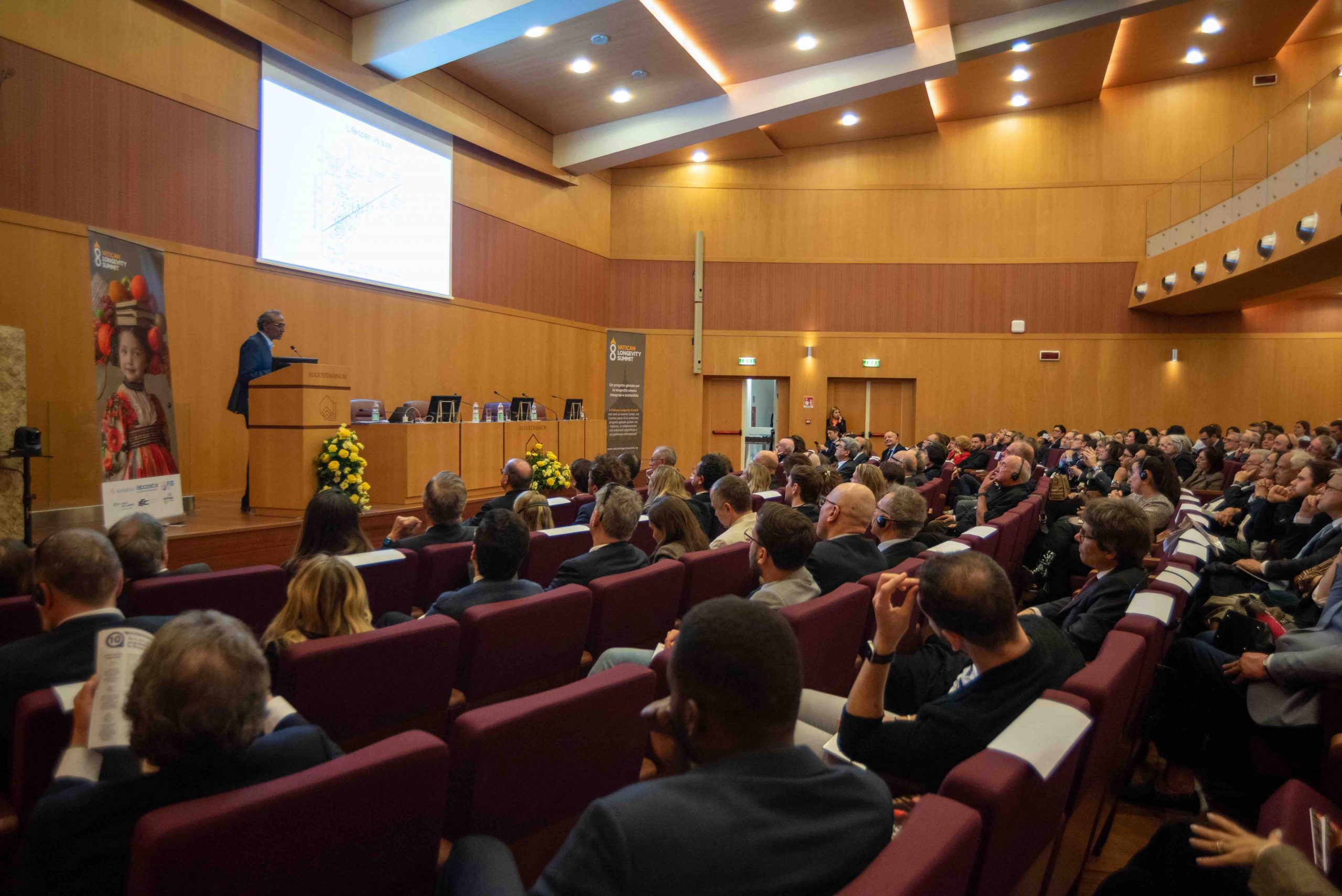
The scientific depth of the summit was as ambitious as its moral scope. Among the most anticipated talks was that of Professor Juan Carlos Izpisúa Belmonte, who presented data on epigenetic reprogramming and its promise for systemic rejuvenation. Valerio Orlando, Eileen Crimmins, and Vittorio Sebastiano tackled everything from the molecular triggers of neurodegeneration to social inequality’s role in cognitive aging. Camillo Ricordi shared pioneering studies on pancreatic cell regeneration for elderly patients with diabetes. It was, as one participant put it, “a symposium of science and soul.”
Nobel Laureate Venkatraman Ramakrishnan reminded attendees of the importance of humility in science, particularly when addressing complex systems like the human lifespan. The diversity of views—from laboratory data to theological insight—was precisely what gave the summit its depth.
Yet perhaps the most moving voice belonged to Monsignor Vincenzo Paglia, President of the Pontifical Academy for Life. Drawing from his lifelong advocacy for the vulnerable, he made the case that the elderly should be viewed not as burdens but as moral beacons. “We are called to rediscover the wisdom of age,” he said, “to treasure the stories etched in wrinkles and grey hair, and to build a society where no one is made invisible.”
Italy’s government also showed robust support, with statements from Maria Teresa Bellucci, Vice Minister of Labour and Social Policy, and Senator Alessio Butti, highlighting the national importance of inclusive aging strategies.
The Vatican Longevity Summit closed not with conclusions, but with a beginning: a commitment to building a future where aging is not feared, but embraced—scientifically extended, ethically guided, and spiritually enriched.
Thank you for reading our content. If you would like to receive ZENIT’s daily e-mail news, you can subscribe for free through this link.

Publicaciones relacionadas:
 Opus Dei Convokes An Extraordinary General Congress Following the Pope’s Request for Reform
 Walking Together and Giving Thanks: Pope’s Beautiful Homily at the Canonization of Two New Saints
 Rupnik was not «the cause»: Vatican clarifies why Cardinal Ladaria asked for dispensation from Synod
 One of the Most Wanted New York Criminals Is Arrested Around the Vatican
