

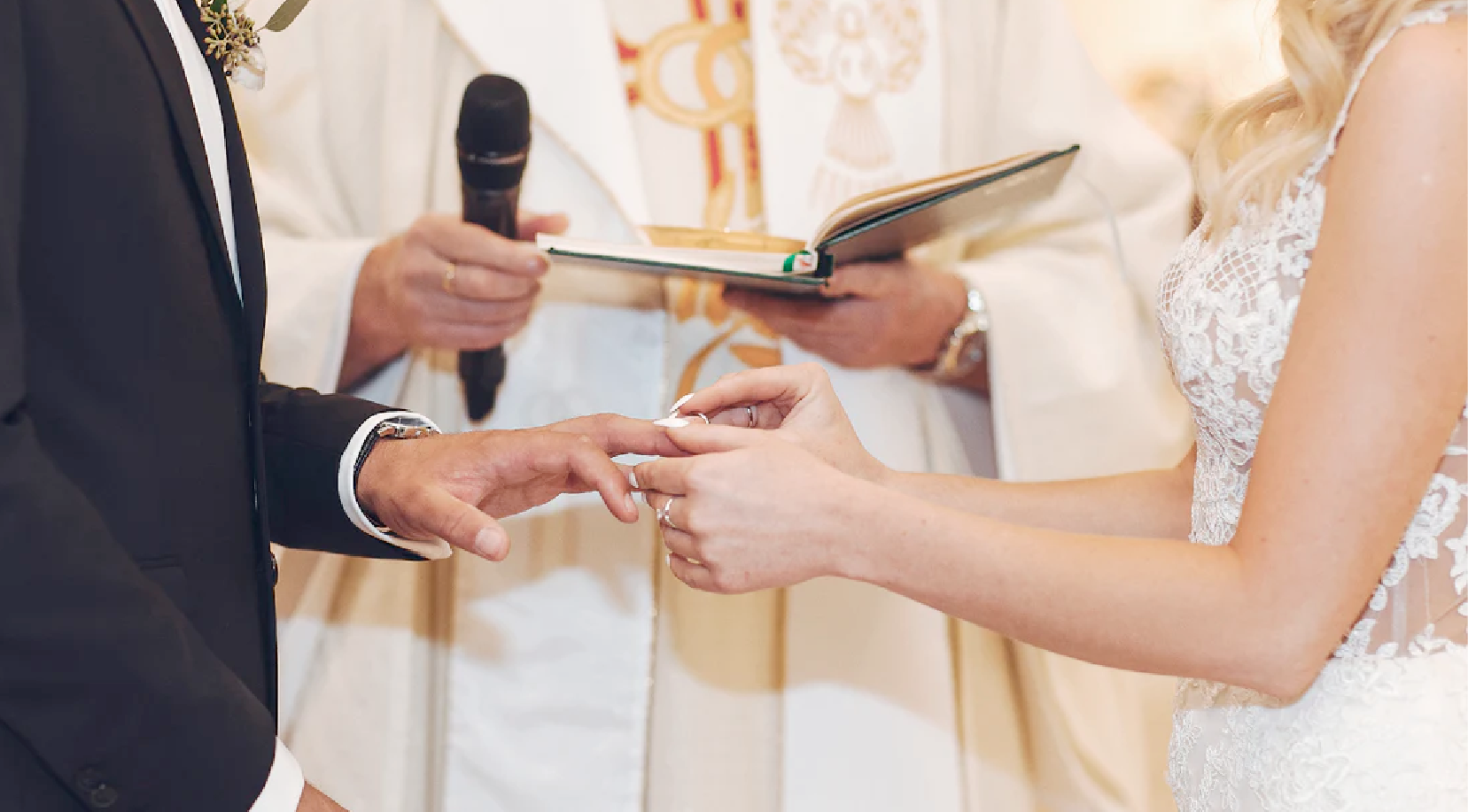
(ZENIT News / Rome, 10.11.2025).- In Milan, the city that often defines Italy’s future, the decline of religious marriage has reached an almost symbolic low. During the first half of this year, only 7 percent of weddings were celebrated in church. The remaining 93 percent took place before a civil authority. The raw numbers are striking: just 63 couples married with a religious rite, compared to 929 who chose a secular ceremony.
National data from the Italian statistics agency ISTAT paints a broader, though not less worrying, picture. In 2023, only four out of ten Italian marriages were celebrated in church. That figure continues to slide each year, with an 8.2 percent drop in religious ceremonies compared to 2022. Meanwhile, civil unions—once rare and controversial—rose by more than 7 percent, reaching over 3,000.
The causes of this cultural shift are complex but unmistakable. Italy, long synonymous with Catholic identity, is becoming increasingly secular, especially in urban centers. Milan epitomizes this transformation: a city both prosperous and plural, where the cosmopolitan rhythm of modern life has left little space for religious traditions once considered inseparable from personal milestones. Sociologists point to demographic collapse, migration patterns, and the normalization of cohabitation as key factors.
The numbers tell a generational story. Between 2000 and 2023, the number of couples living together without marriage more than tripled, surpassing 1.6 million. The idea of lifelong commitment—once tied to a sense of divine vocation—is now often replaced by flexible arrangements. What was once viewed as an exception has become a social norm.
Marriage itself is shrinking as an institution. Between 2022 and 2023, Italy recorded a 2.6 percent drop in total weddings, continuing a decline that has lasted four decades. Fewer young people, fewer marriages, and more hesitation to formalize relationships—religious or civil—form a pattern of societal retreat from permanence. The average age for first-time marriage continues to rise: 34.7 for men and 32.7 for women.
Even divorce and separation rates, paradoxically, are falling—not because relationships are stronger, but because fewer people are marrying at all. In 2023, separations dropped by more than 8 percent and divorces by 3.3 percent compared to the previous year.
Yet behind these statistics lies a deeper spiritual erosion. The disappearance of church weddings is not merely a matter of custom; it reflects a culture where faith is no longer the grammar of daily life. For many Italians, religion has faded not through rebellion, but through unfamiliarity. God and the Church are absent not because they were rejected, but because they were never truly known.
The consequence is a generation that perceives even the civil form of marriage as too binding, too solemn. The preference for cohabitation over any formal commitment—religious or otherwise—signals a broader loss of transcendence. Without belief in something enduring beyond the self, permanence itself becomes suspect.
Thank you for reading our content. If you would like to receive ZENIT’s daily e-mail news, you can subscribe for free through this link.

Publicaciones relacionadas:
 This Is the “Liturgy of Blessing” Approved by Belgian Bishops to Bless Same Sex Couples
 Ireland: Bishops issue statement on family-busting amendments to Constitution
 USCCB Releases Guidance on Assisted Reproduction, Rejecting IVF and Surrogacy
 Will the Church bless polygamy? One Synod document addresses the issue, while another discusses poverty
