

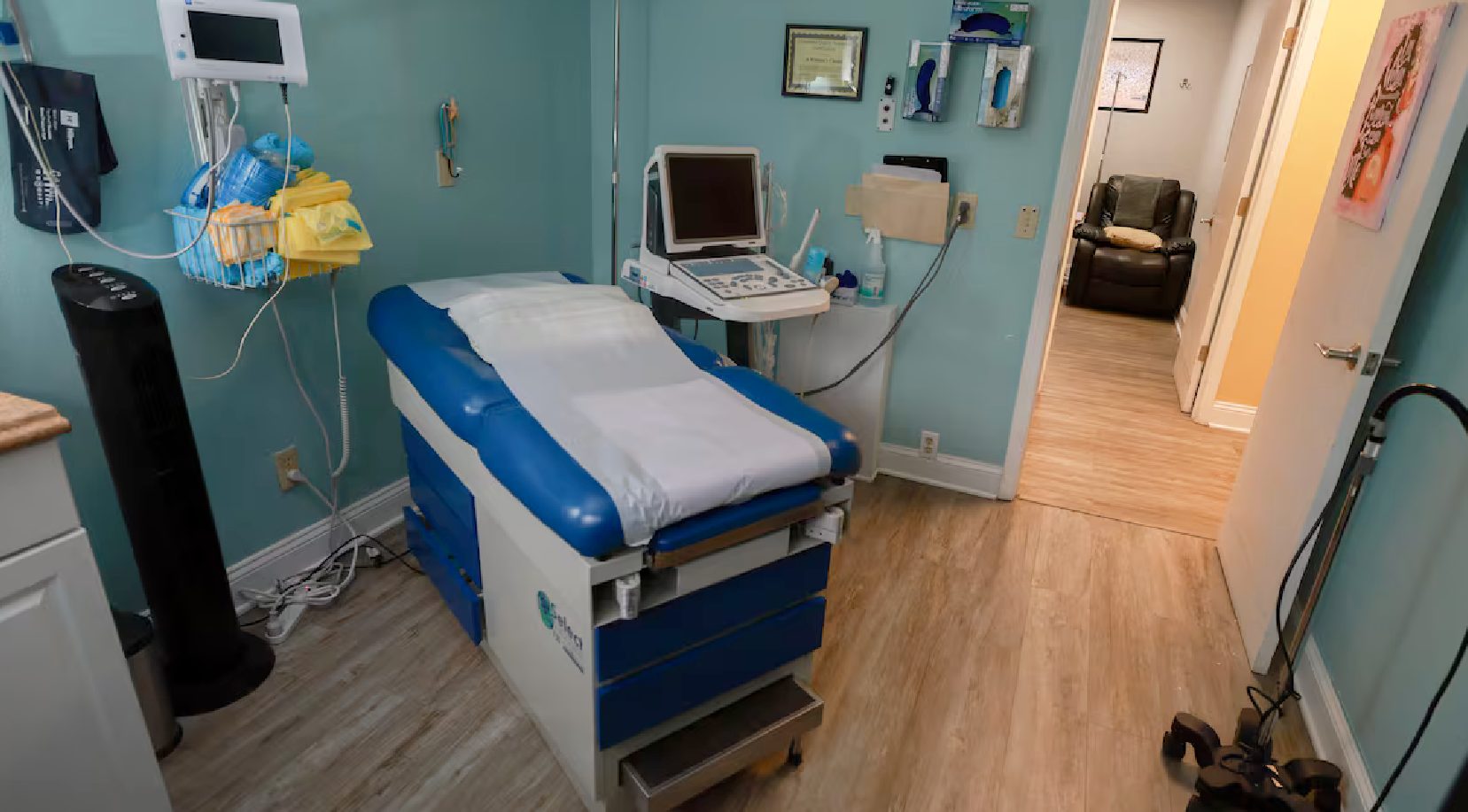
(ZENIT News / Washington, 12.21.2025).- The landscape of abortion services in the United States continues to shift dramatically, with Operation Rescue’s 2025 survey revealing a historic wave of clinic closures. According to the nationwide report, 54 abortion facilities have either shut their doors or ceased performing procedures this year—the largest annual decrease since 2022, when 88 closures followed the overturning of Roe v. Wade.
Planned Parenthood, the nation’s largest abortion provider, accounted for a striking 36 of the 54 closures. When factoring in an additional 28 referral centers that have shuttered, the organization experienced a record total of 64 closures in just one year. Troy Newman, president of Operation Rescue, characterized the trend as a “terribly bad year for Planned Parenthood, but an exceptional one for the unborn,” emphasizing the direct impact clinic closures have on saving lives.
Several of this year’s closures carry particular symbolic weight. In Boulder, Colorado, the retirement of late-term abortion specialist Warren Hern led to the closure of the clinic he founded in 1975. Hern, notorious for his specialization in late-term procedures, reportedly could not secure a successor to continue operations. Meanwhile, Planned Parenthood was forced to shutter its Prevention Park clinic in Houston, Texas, a high-profile facility that had cost over $16 million to build in 2010 and was intended to be one of the nation’s largest abortion centers.
Perhaps most emblematic is the closure of Planned Parenthood’s Margaret Sanger building at 26 Bleecker Street in New York City. The facility, long a flagship for the organization, succumbed to financial difficulties and lingering allegations of systemic racism from former staff members. Its closure underscores a broader retrenchment for the organization in some of its most prominent urban strongholds.
Other notable closures include the Washington, D.C. Surgical Center, known for late-term abortions. The facility temporarily ceased operations this year due to licensing issues, with its chief physician reportedly facing serious health concerns that may have contributed to the shutdown.
The significance of these closures resonates beyond logistics. Many of the shuttered Planned Parenthood locations, particularly in Texas and New York, were previously embroiled in legal disputes with Operation Rescue. These conflicts trace back to undercover videos released in 2015 that exposed the organization’s involvement in the alleged sale of fetal tissue. While legal repercussions resulted in a multimillion-dollar judgment against Operation Rescue, the fallout weakened Planned Parenthood’s political influence and led to the resignation of former CEO Cecile Richards. The closure of these flagship sites now represents a stark physical manifestation of that decline.
The data from the 2025 Operation Rescue survey also paints a broader, long-term trend. This year marks the fourth consecutive annual decrease in the number of U.S. abortion clinics. Since 1991, when the country counted 2,176 clinics, the number has dropped by more than 70 percent, leaving just over 650 facilities in operation today. The steady contraction suggests a sustained reconfiguration of access and influence within the abortion industry.
For Operation Rescue and like-minded advocacy groups, the closures signal a moral and cultural victory. For public health observers, they raise urgent questions about access to reproductive care, regional disparities, and the implications for women seeking services in an increasingly fragmented system. What is clear is that 2025 represents a pivotal year in the ongoing national debate over abortion—one in which the physical map of abortion providers is being dramatically redrawn, and the stakes for both providers and patients are higher than ever.
Thank you for reading our content. If you would like to receive ZENIT’s daily e-mail news, you can subscribe for free through this link.

Publicaciones relacionadas:
 PHOTO GALLERY: Jesus’ crown of thorns returns to Paris’ Notre Dame cathedral
 Pilgrimage to the Christ the King Monument in Mexico’s Center Breaks Participation Record with at Least 60,000 Young People.
 The Cross Atop the Jesus Christ Tower of the Basilica of the Holy Family, which the Pope will Inaugurate in Barcelona, Is Now Visible
 Hong Kong will welcome 2,500 new Catholics this Easter in 2026
