

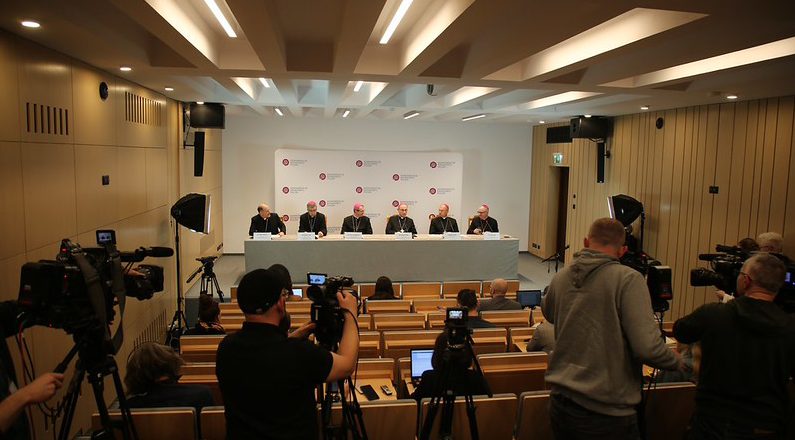
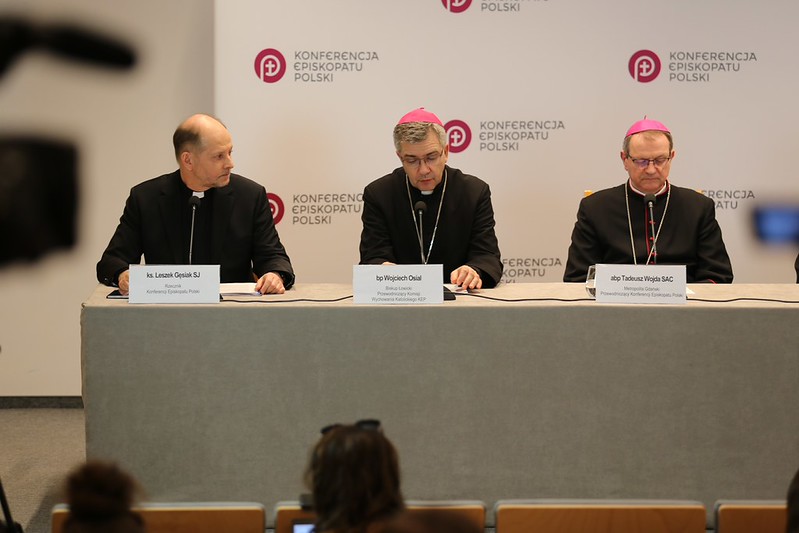
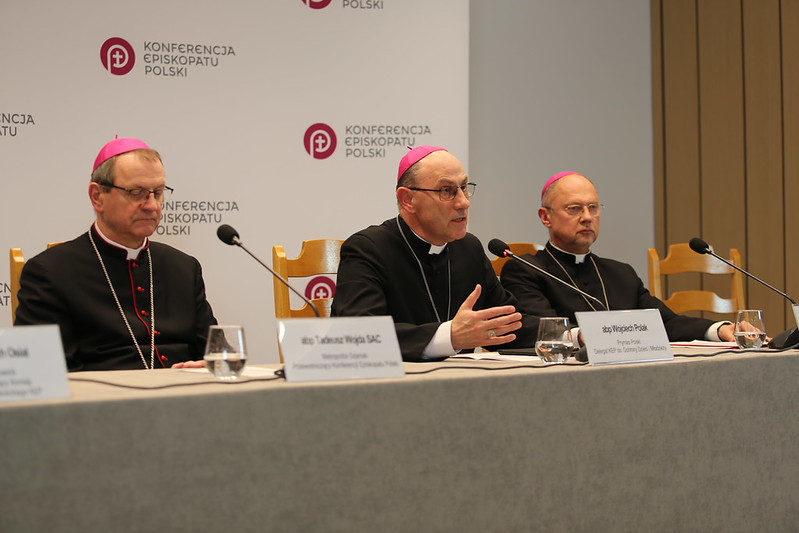
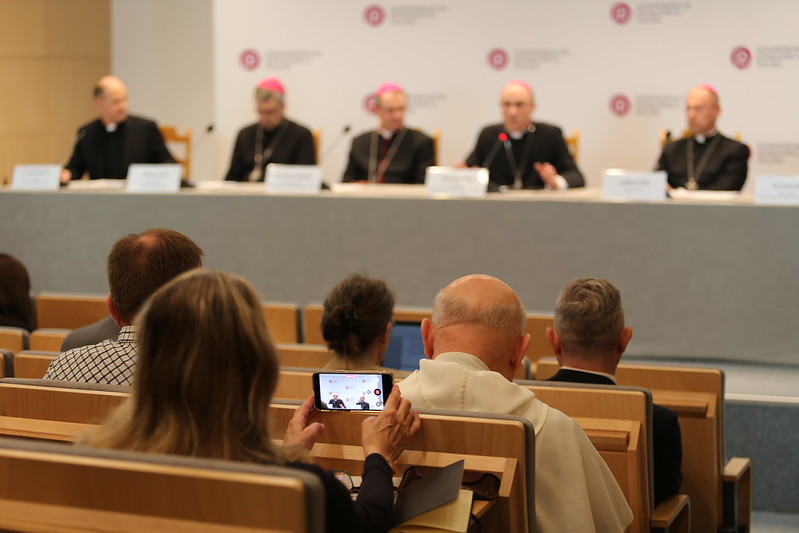
(ZENIT News / Warsaw, 03.18.2026).- In a move that signals both institutional self-scrutiny and mounting pressure for transparency, Poland’s Catholic bishops have agreed to establish an independent expert commission to examine cases of sexual abuse of minors within the Church. The decision, taken during the 404th plenary assembly of the Polish Bishops’ Conference in Warsaw from March 10 to 12, marks one of the most structured attempts yet by the Church in Poland to address a crisis that has reshaped Catholic life across Europe.
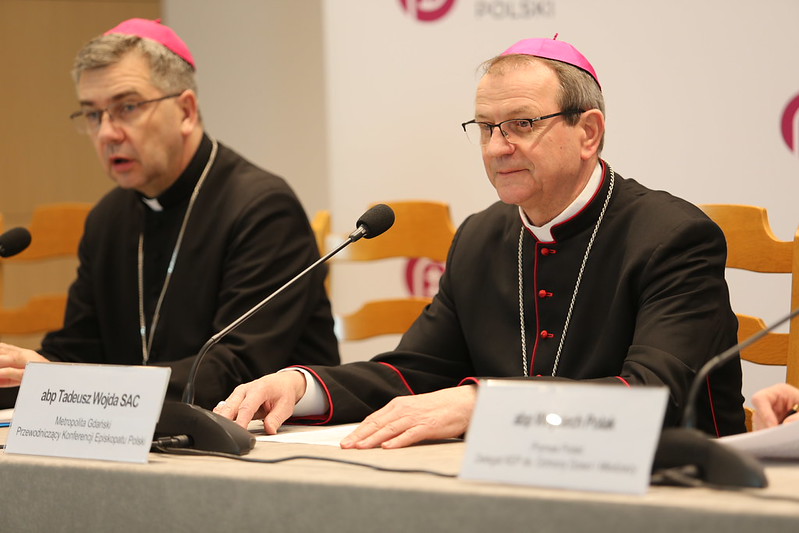
The new body, granted public juridical personality under canon law, is intended to operate with institutional autonomy while remaining anchored in the ecclesial framework. Its statutes and internal regulations have already been approved, clearing the legal path for the appointment of its president and the launch of its activities. The assembly was presided over by Tadeusz Wojda and attended by senior Vatican and diplomatic figures, including John Joseph Kennedy from the Dicastery for the Doctrine of the Faith and Antonio Guido Filipazzi.
The commission’s mandate is deliberately defined with precision. It will not function as a prosecutorial authority. Instead, it is tasked with reconstructing cases through the analysis of ecclesiastical and state archives, supplemented by interviews with victims and witnesses. Should credible indications of criminal conduct emerge, the commission is required to refer such cases to civil prosecutors or the police, while also notifying Church authorities so that canonical procedures can begin and the Holy See be informed.
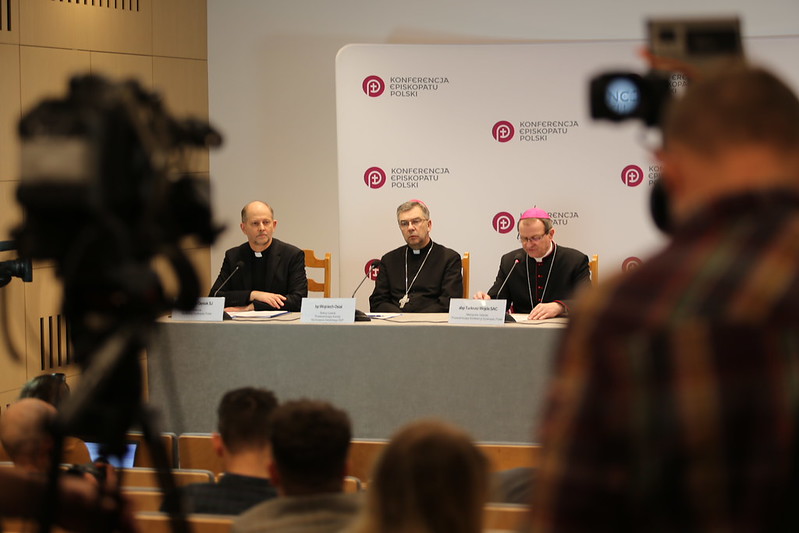
This dual-track approach reflects a broader evolution in how the Catholic Church addresses abuse: distinguishing between internal fact-finding and the obligation to cooperate with civil justice systems. It also responds to longstanding criticisms that ecclesiastical processes were, in the past, insufficiently transparent or too insulated from external oversight.
For Wiesław Śmigiel, one of the voices shaping the initiative, the commission represents more than a technical reform. He frames it as part of a wider effort to “clarify the situation” within the Church and, crucially, to build an effective prevention system capable of safeguarding minors. The emphasis on prevention is not incidental: it signals a shift from reactive crisis management to structural risk mitigation.
The Polish context adds further layers of complexity. Since 2019, a state-level body—the Commission for the Clarification of Cases of Acts Against Sexual Freedom and Morality of Minors under 15—has been operating in parallel. It has received approximately 2,000 reports and is currently examining around 800 cases. Its remit includes evaluating the conduct not only of individuals but also of institutions, including religious organizations.
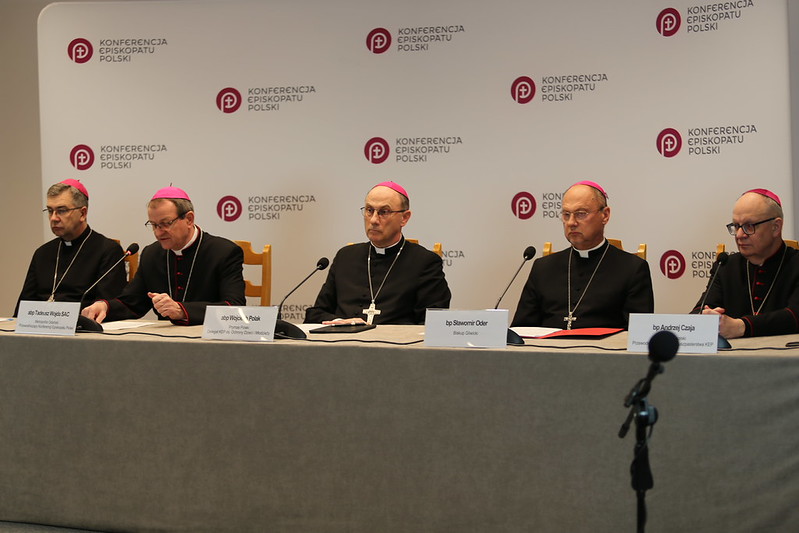
Data emerging from that commission challenges common assumptions. In most reported cases, abuse occurs within the victim’s immediate environment, often involving family members or close acquaintances. Additionally, about 20 percent of offenses are perpetrated online, pointing to the growing digital dimension of the problem. Cases involving clergy fall within the competence of this state body as well, ensuring a degree of external scrutiny over ecclesiastical actors.
Against this backdrop, the bishops’ initiative appears both complementary and defensive: complementary in that it contributes to the broader ecosystem of accountability, and defensive in its attempt to demonstrate that the Church is not lagging behind other sectors of society. Śmigiel himself notes that many professional groups in Poland have yet to establish comparable independent mechanisms.
The design of the new commission also reflects an acute awareness of legal and ethical tensions. Victim care is identified as the primary priority, with explicit references to the need for respect, justice, and compassion—an acknowledgment of the risk of secondary victimization. At the same time, the framework insists on safeguarding privacy, protecting personal data, and upholding the presumption of innocence, a principle enshrined in Article 42(3) of the Polish Constitution.
This balancing act is further reinforced by existing legal obligations. Under Article 240 of Poland’s Penal Code, anyone—not only clergy—who becomes aware of a case of sexual abuse involving minors is required to report it immediately to the authorities. Recent legislative developments, often referred to as the “Kamilka law,” have translated these obligations into concrete safeguarding standards across parishes, pastoral centers, and Church institutions. Training programs, including those organized by the Child Protection Center at the Jesuit University Ignatianum in Kraków, have sought to embed these norms at the grassroots level.
At the diocesan level, implementation is already visible. In the Archdiocese of Szczecin-Kamień, for example, reporting mechanisms are publicly accessible, and all cases are processed in accordance with both civil and canon law. Preventive strategies include a “Catalogue of Good Practices in Pastoral Relations,” which clergy are required to adopt, indicating an effort to codify behavioral standards in everyday ministry.
Yet the creation of a new commission is not merely an administrative development; it is a test of credibility. Its effectiveness will depend on the perceived independence of its members, the transparency of its findings, and its willingness to confront uncomfortable truths. The bishops have described it as a “synodal solution,” emphasizing that it carries the collective mandate of the episcopate while drawing on interdisciplinary expertise.
In a country where Catholicism remains a significant cultural and social force, the stakes are high. The commission’s work will likely influence not only how past abuses are understood, but also how the Church positions itself in a society increasingly attentive to accountability and institutional integrity.
Thank you for reading our content. If you would like to receive ZENIT’s daily e-mail news, you can subscribe for free through this link.

Publicaciones relacionadas:
 Two Cardinals, Abuses and Pope’s Investigation
 Paris Foreign Missions Society Publishes Its Report on Sexual Abuses
 Bishop Barron responds to Trump’s executive order on protecting children from genital mutilation in LGBT+ context
 Breaking the silence: the nun who shows her face and accuses an Indian bishop of ongoing sexual abuse
