

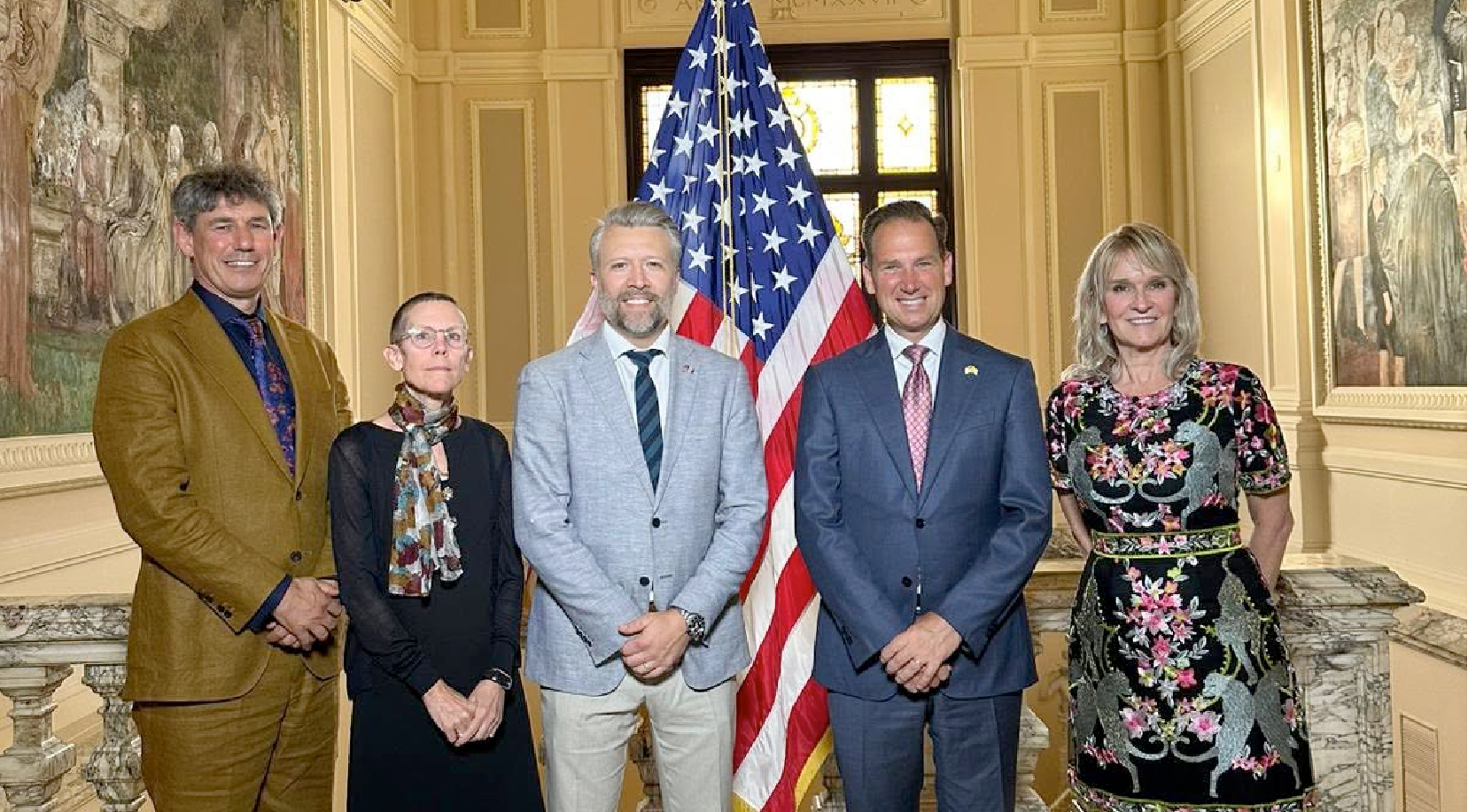
(ZENIT News / Rome, 06.10.2026).- The United States government has awarded more than $240 million in emergency humanitarian funding to Catholic Relief Services (CRS), entrusting one of the world’s largest Catholic aid organizations with a central role in responding to some of today’s most severe crises.
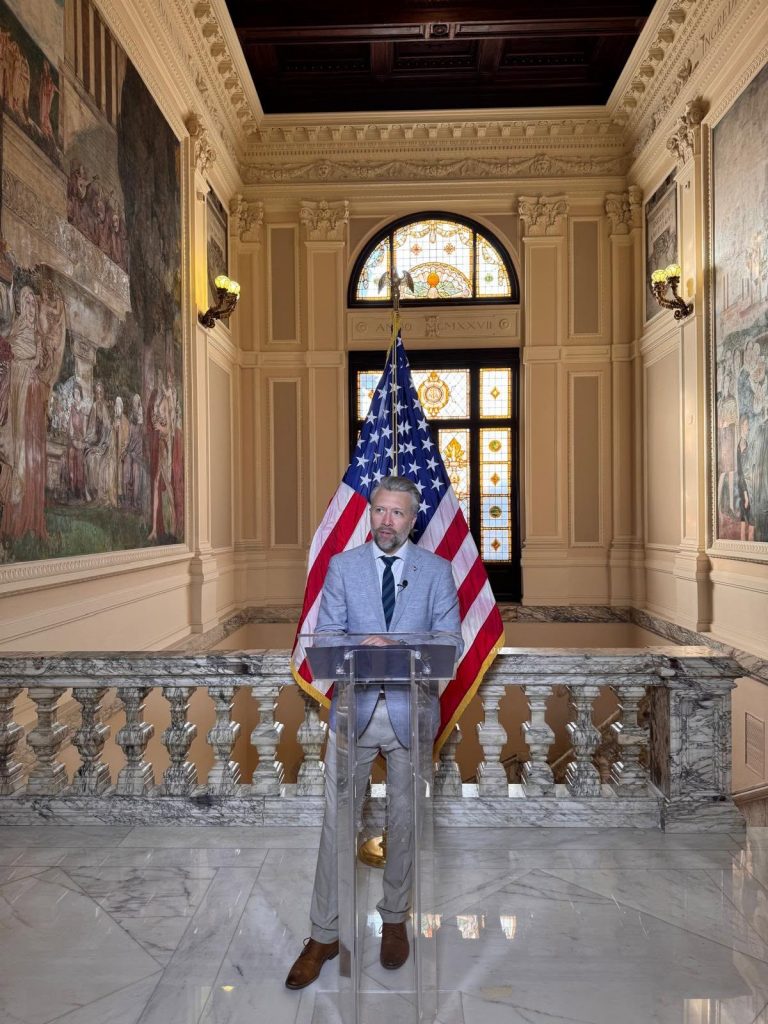
The announcement, made in Rome on June 5, brings together two institutions that have collaborated for decades but now find themselves entering a new phase of partnership. At a time when humanitarian needs are rising across multiple continents and international aid systems face mounting financial pressure, Washington is increasingly relying on organizations capable of delivering assistance quickly, locally, and efficiently.
The funding comes from humanitarian assistance resources appropriated by Congress and administered through the U.S. State Department’s disaster response structures. According to American officials, CRS is the first recipient in a new series of global awards designed for trusted implementing partners capable of launching emergency operations within 24 hours of a crisis.
The initiative reflects an emerging model that prioritizes rapid deployment, streamlined administration, and stronger accountability for taxpayers. State Department officials emphasized that the goal is not merely to distribute aid but to ensure that life-saving assistance reaches vulnerable populations without the delays often associated with large bureaucratic systems.
For Catholic Relief Services, the award represents a significant endorsement of a humanitarian model rooted in local partnerships. Founded by the Catholic bishops of the United States in 1943, CRS operates in more than one hundred countries and frequently works through dioceses, parishes, Caritas agencies, religious communities, and local civil-society organizations.
This extensive network was one of the factors highlighted by U.S. officials. Through cooperation with more than 160 Caritas organizations worldwide, CRS possesses a presence that often extends into regions where governmental institutions are weak, conflict zones are difficult to access, or infrastructure has collapsed.
The funds will support multi-sector humanitarian interventions in several countries facing acute emergencies, including Ethiopia, Haiti, Nigeria, Sudan, and the Democratic Republic of the Congo. Assistance will cover essential areas such as food security, nutrition, healthcare, water and sanitation, shelter, and emergency relief services.
Particular attention is being directed toward the Democratic Republic of the Congo, where CRS is already involved in efforts related to the latest Ebola outbreak. Because the organization maintains personnel and operational structures on the ground, the new funding can reinforce existing programs rather than requiring the creation of new delivery mechanisms from scratch.
American officials also highlighted another aspect of the partnership that often receives less public attention: preparedness. A portion of the funding will strengthen a global rapid-response mechanism allowing CRS to mobilize resources immediately when natural disasters, armed conflicts, epidemics, or sudden humanitarian emergencies erupt. The objective is to avoid the lengthy procurement and approval processes that can consume precious days during the earliest stages of a crisis.
The announcement carries significance beyond humanitarian logistics. It arrives more than a year after the restructuring of U.S. foreign assistance following the effective dismantling of the U.S. Agency for International Development (USAID) in 2025. For decades, USAID had served as the principal vehicle for American development and humanitarian programs, focusing not only on emergencies but also on long-term initiatives involving health systems, agriculture, education, and economic development.

The new approach suggests a greater reliance on specialized implementing organizations capable of combining local knowledge with operational flexibility. In that context, faith-based institutions appear poised to play an increasingly prominent role.
That reality was openly acknowledged during the Rome announcement. U.S. representatives described the partnership as evidence of the administration’s willingness to work closely with religious organizations that translate faith into concrete service. Such language reflects a broader recognition that some of the world’s most effective humanitarian actors are motivated not primarily by political agendas or commercial interests but by religious convictions centered on human dignity and solidarity.
While humanitarian aid is often discussed in financial or geopolitical terms, organizations such as CRS operate from a tradition of Catholic social teaching that views assistance to the poor, the displaced, and the suffering not merely as philanthropy but as a moral responsibility. This perspective has enabled Catholic networks to remain active in regions where other institutions have withdrawn.
Jennifer Poidatz, CRS’s Vice President for Humanitarian Response, welcomed the grant as an opportunity to reach more people at a moment when global needs vastly exceed available resources. Her assessment reflects a challenge confronting aid agencies worldwide: humanitarian emergencies are multiplying faster than funding commitments.
Whether responding to conflict in Sudan, instability in Haiti, disease outbreaks in Central Africa, or food insecurity across vulnerable regions, the scale of current needs remains immense. Against that backdrop, the new partnership between Washington and Catholic Relief Services represents more than a financial transaction. It is a recognition that effective humanitarian action increasingly depends on trusted local networks, rapid operational capacity, and institutions capable of serving those most in need regardless of political, ethnic, or religious boundaries.
Thank you for reading our content. If you would like to receive ZENIT’s daily e-mail news, you can subscribe for free through this link.

Publicaciones relacionadas:
 At Present, Mexico Is the Most Dangerous Country for Priests in Latin America. Here Are the Figures
 Record number of pilgrims on the Camino de Santiago. Americans the second country with the most pilgrims
 Fear of mass deportations, U.S. bishops take stand in favor of immigrants
 Blessed Carlo Acutis will be at WYD in Seoul: relics arrive in the Korean capital
