

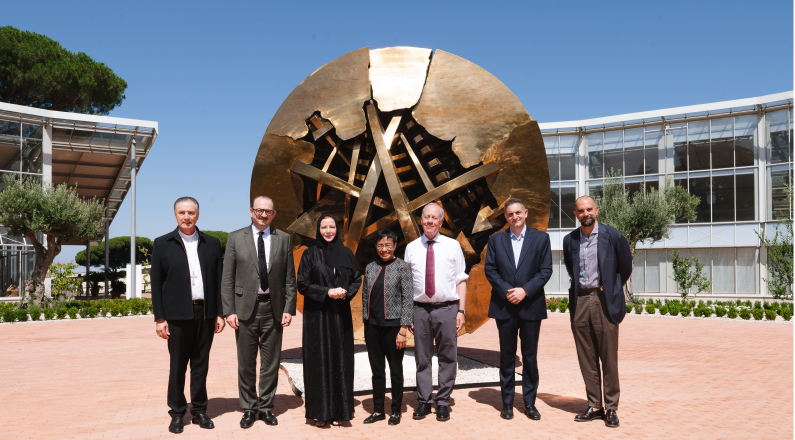
(ZENIT News / Castelgandolfo, 07.17.2026).- The Domus Communis Foundation launched the Magnifica Humanitas Global Ambassador Programme, a multistakeholder initiative inspired by the recent papal encyclical published by Pope Leo XIV to help direct future AI development in ways that will deliver the greatest immediate and sustainable benefit and impact for people and societies around the world.
Domus Communis Foundation is a global network of organizations dedicated to building a values-based platform for ethical, responsible, and sovereign artificial intelligence that serves humanity while promoting peace, human dignity, and the common good.
The Magnifica Humanitas Global Ambassador Programme is an inclusive and comprehensive interfaith initiative that calls on leaders, influencers and regulators to unite in a collective effort to maximize the full potential of AI, which Pope Leo called a ‘gift to the world that can alleviate suffering and open up new possibilities.’
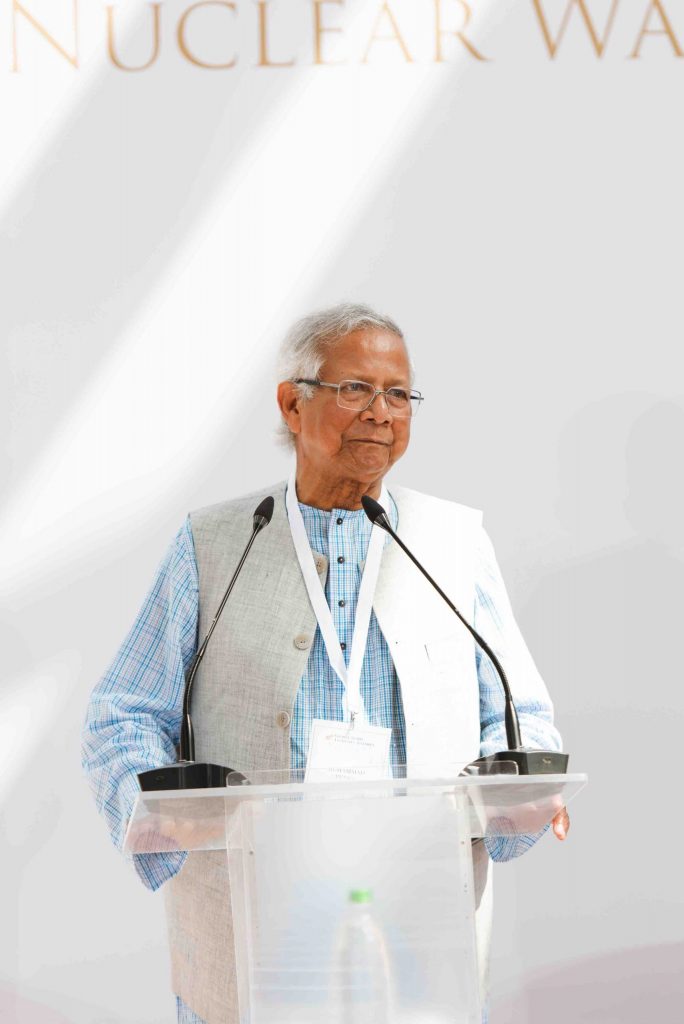
The Global Ambassador Programme will bring together the voices, expertise and influence of a range of leaders and specialist groups who are both involved in shaping and are most impacted by the future of AI. This includes interfaith religious communities, governments and regulators, academic and intellectual leaders, as well as technology developers, corporate and international financing interests. It will also directly involve and give a voice to sector specialists, advocates and community facilitators on the ground in critical areas that benefit from as well as have to manage the impacts of the rapid development and deployment of technologies in critical areas such as health care, education, social welfare, civil infrastructure and beyond.
“The Magnifica Humanitas Global Ambassador vision is to recognize and support the development of AI technologies and systems that have clearly demonstrated the opportunity to benefit people and societies and in many ways change the world. But we need to do so while safeguarding humane values, human dignity and the flourishing of communities. We need to help people in all corners of the world who we’ve already seen suffer from unintended consequences of the rapid development of often unregulated new technologies without ever having their voices heard,” said H.Em. Card. Silvano M. Tomasi, Apostolic Nuncio and President ad Honorem of Domus Communis Foundation.
The Magnifica Humanitas Ambassadors Programme was introduced within the framework of the Global Nobel Laureates Assembly on Artificial Intelligence and Nuclear War, hosted at Borgo Laudato Si’. While inspired by Pope Leo XIV’s vision in Magnifica Humanitas, the Programme is also intentionally oriented toward advancing the principles of integral ecology promoted by Pope Francis in Laudato si’, encouraging Ambassadors to support the mission and long-term vision embodied by Borgo Laudato Si’ as a global platform for dialogue, human dignity, responsible innovation, and the common good.
The Global Nobel Laureates summit brought together 30 Nobel Laureates and Nobel Prize-winning organizations, representatives from 37 countries, 5 Emeritus Heads of State and Government, 20 top global leaders in Artificial Intelligence, more than 30 of the world’s most prestigious universities and research institutions, and investors and venture capitalists representing more than $10 billion in investments and assets dedicated to AI and frontier technologies.
The outcome of this 3-day program was the creation of the ‘Rome Declaration on an Unarmed and Disarming Peace in the Age of Artificial Intelligence’ that includes a set of 10 clear actions and commitments to be immediately acted on at institutional, scientific, educational, technological and diplomatic levels.
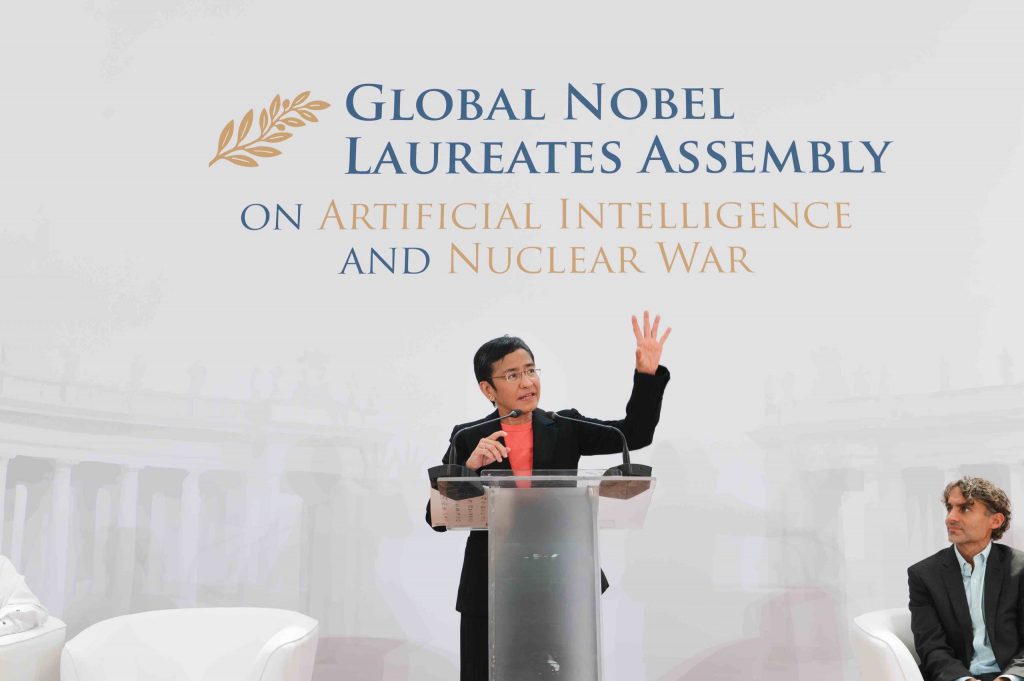
Among the outcomes of the Assembly was the presentation of the Magnifica Humanitas Ambassadors Programme and a pledge inviting participants to endorse its guiding principles. The Global Nobel Laureates Assembly brought together more than 150 participants from across the scientific, technological, institutional, diplomatic, religious and business communities. Among them, a first group expressed its support for the Programme’s long-term vision and its commitment to contribute to its future development. The institutional architecture of the Programme has been designed to translate the values of Magnifica Humanitas into practical initiatives, measurable collaboration, and real-world impact.
“Between the technology company that builds an AI system and the child in a school whose learning it shapes, the patient whose diagnosis it influences, or the worker whose employment and livelihood it disrupts, there are multiple layers of stakeholders who should have a voice and currently do not. With the signing of this pledge supporting the Magnifica Humanitas Global Ambassador Programme, we are all committing to provide a formal structured mechanism for enabling meaningful participation in shaping how these systems are built and deployed,” said Dr. Alessio Pecorario, Founder and Chief Executive Officer of the US-based Domus Communis Foundation.
Dr. Pecorario said that the Domus Communis Foundation has appointed Anna A. MacMillan as the Global Ambassador Programme Executive Director. Ms. MacMillan is a venture investor, philanthropist, and operator working at the intersection of capital markets, technology, AI governance and critical global systems. She is Co-Founder and COO of Mintlayer, the first Emirati AI and onchain institutional infrastructure company, and founder of the Women in Investment Network, a private global capital platform connecting ultra-high-net-worth investors worldwide.
“The window for establishing the first credible, independent, multistakeholder AI ethics accountability program is open now. But it is closing fast and we need to move with a sense of urgency,” Ms. MacMillan said. “We are operating in a world where a small number of tech companies and governments are making decisions that affect billions with minimal meaningful input from those people. The Global Ambassador Programme is structured to give every relevant layer of society the opportunity to participate in the governance and future of artificial intelligence.”
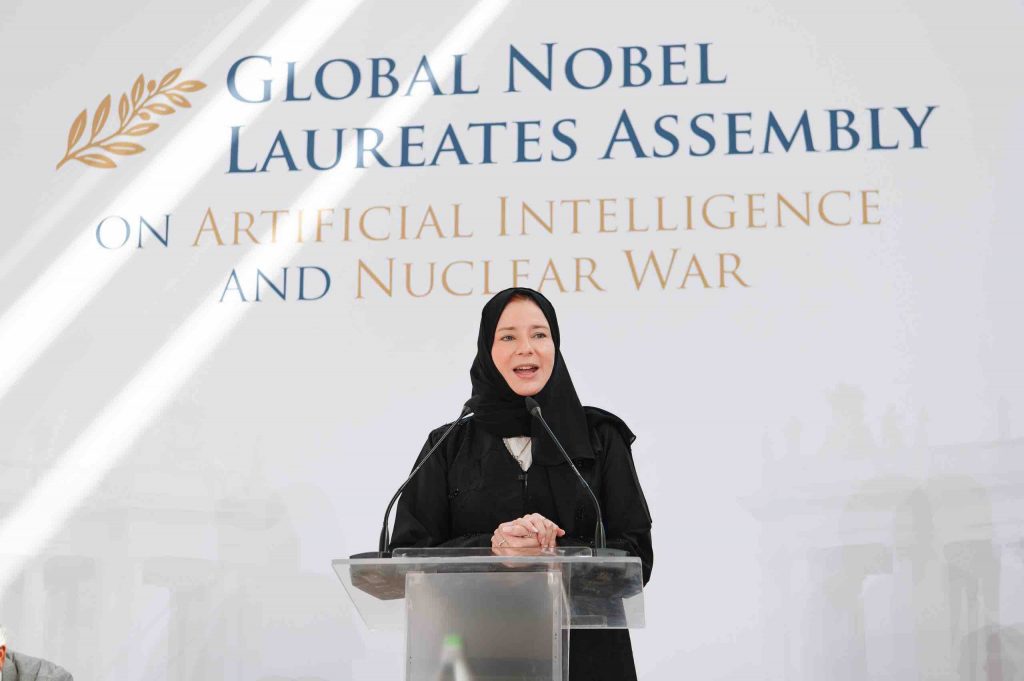
This new initiative will provide an operational bridge between the highest levels of global AI governance and the communities whose lives are shaped by AI decisions. It will also include a transparent design and public reporting structure for measurable actions and outcomes that all Ambassadors will commit to. Programme leaders will announce in the coming weeks the launch of 3 pilot programs that will include the publishing of regional governance charters for participating Ambassadors representing all key stakeholder groups. By the end of Year One, the Programme is targeting expansion to include 300 participating Ambassadors and 100 institutional partnerships, with that number growing to more than 2,000 global participants by the end of Year 5.
The Programme is intended to grow as a permanent international platform, working in dialogue with governments, faith communities, academia, philanthropy, technology leaders and local communities, while continuing to build upon the vision of Magnifica Humanitas and the mission of Borgo Laudato Si’.
Thank you for reading our content. If you would like to receive ZENIT’s daily e-mail news, you can subscribe for free through this link.

Publicaciones relacionadas:
 Vatican Launches Global Campaign in Favour of Family Doctors
 Do you want to work at the Vatican? Launch official website to apply
 The Vatican Basilica’s digital twin is born: online in December thanks to Artificial Intelligence and Microsoft
 United States to Exhibit Largest Collection of Vatican Treasures Outside Europe
