

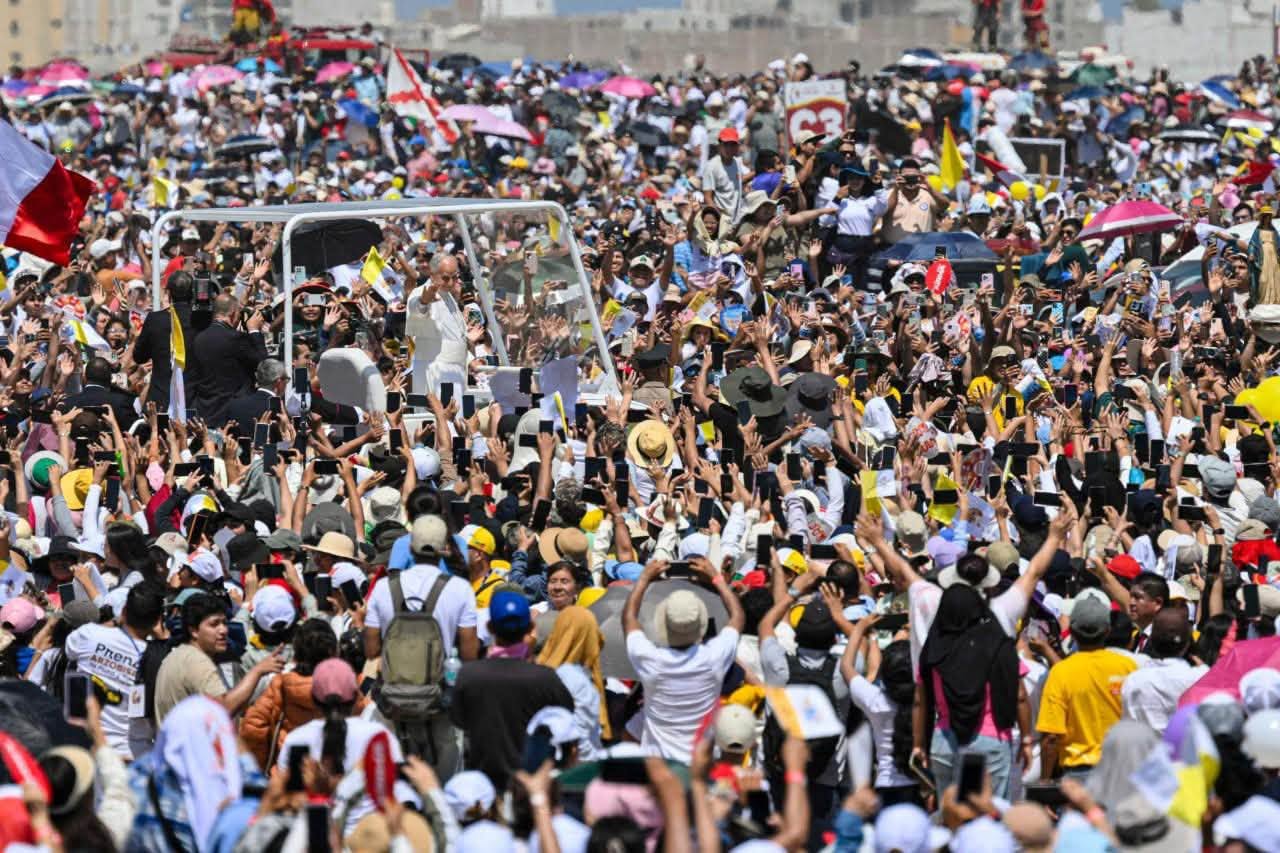
(ZENIT News / Lima, 11.25.2026).- Pope Leo XIV’s recent journey through Spain and three South American countries has demonstrated that a major papal visit can have an impact extending well beyond the religious celebrations themselves. More than 9.5 million people took part in the events recorded across the four countries, while the combined economic benefit is estimated at over €570 million. The figures reveal the scale of the crowds, but also the extensive network of volunteers, public services, Church institutions and private businesses mobilized to receive the Pope.
Argentina accounted for the largest share of the economic impact, with an estimated €256 million generated between November 8 and 11. More than six million people were drawn to the celebrations, according to figures reported by the Confederation of Argentine Medium-Sized Enterprises. The visit was also an extraordinary logistical undertaking: Leo XIV spent 69 hours and 41 minutes in the country, attending 23 events across Buenos Aires, Claypole, Córdoba and Luján.
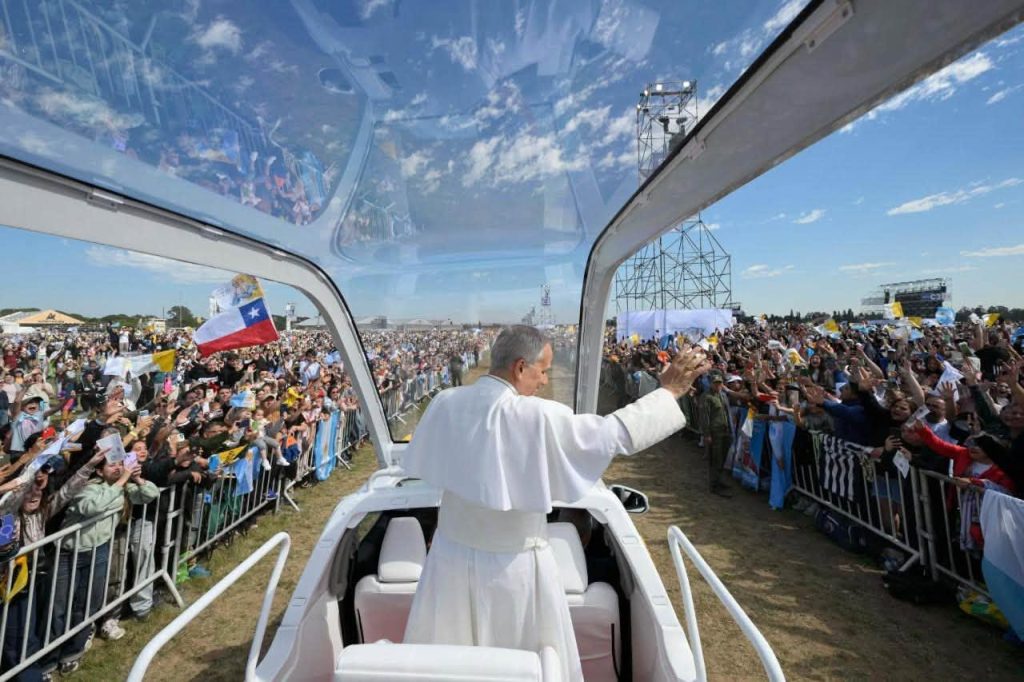
The largest gatherings took place in Buenos Aires and Luján. The Mass for Families in Palermo attracted an estimated two million people according to the city government, although other reports put attendance at 2.5 million. A further million people reportedly attended the youth vigil in Buenos Aires, while the celebration in Córdoba brought together between 650,000 and 800,000 people. In Luján, close to two million faithful gathered for Mass outside the national Marian shrine. The estimates vary according to the sources, but the overall attendance recorded for Argentina exceeded six million.
The economic benefits were felt across accommodation, restaurants, retail, transport and other services. Buenos Aires received approximately 1.24 million visitors, including 77,000 international tourists and 165,000 domestic tourists. In Córdoba, hotel occupancy in the city approached 60%, rising to 100% in high-end establishments. Luján experienced a particularly sharp increase in demand for accommodation: searches rose by 1,800% on Booking and more than 500% on Airbnb, while hotel occupancy had exceeded 90% ahead of the Pope’s arrival.
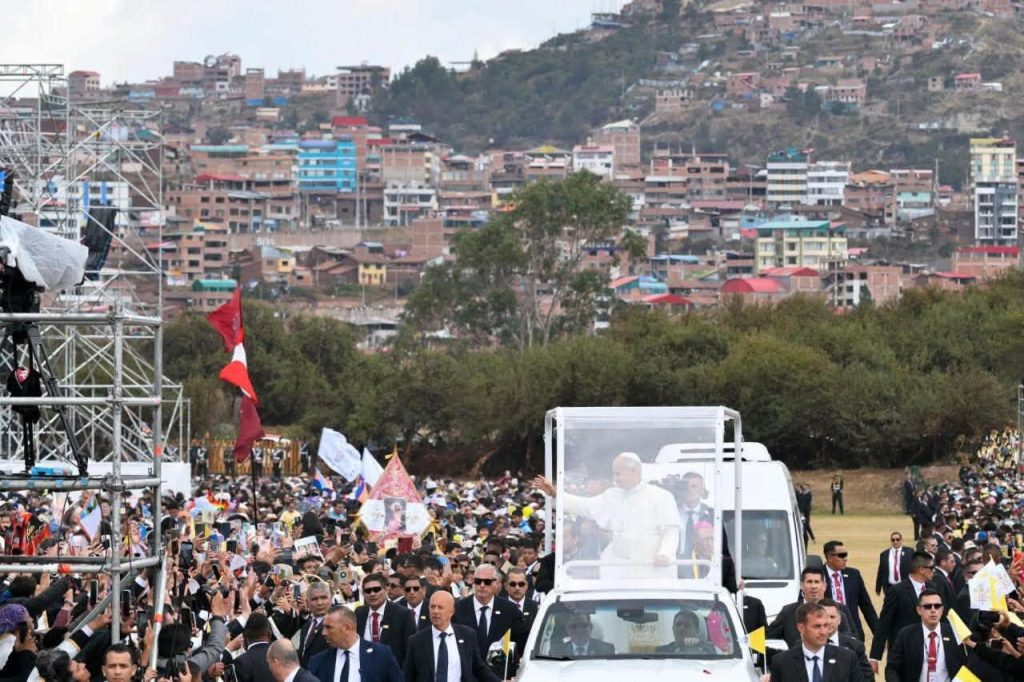
Peru recorded the second-largest economic impact among the countries visited, with 680.2 million soles, equivalent to approximately €181 million. The journey, held from November 11 to 16, brought Leo XIV to Lima, Chiclayo, Cuzco, Pucallpa and Santa Cruz de Succhabamba. According to the Ministry of Foreign Trade and Tourism, the visit attracted 1,093,206 people, substantially exceeding the initial forecast of 850,000 visitors. Spending also surpassed expectations: authorities had projected 300 million soles, but the final estimate reached more than twice that amount.
The breakdown illustrates the reach of the event beyond the Catholic population travelling from abroad. Peruvians accounted for 642,200 visitors, or 58.7% of the total, while 231,900 were foreign tourists and 219,100 were day visitors who did not stay overnight. Colombia was the leading country of origin among international visitors, followed by Ecuador, Spain, the United States and Mexico.
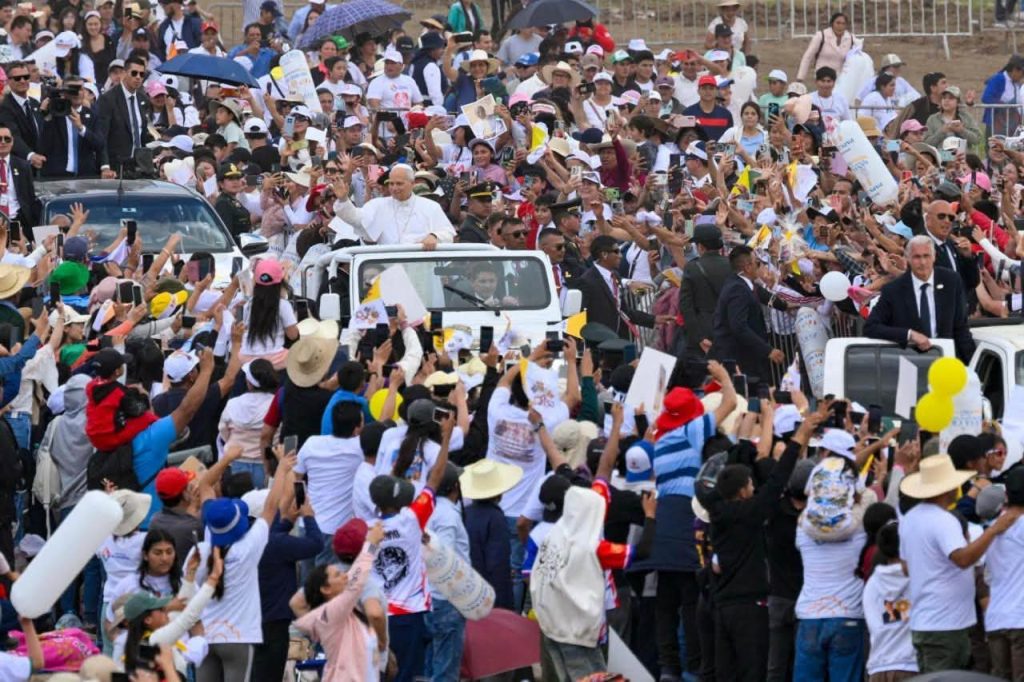
Chiclayo, where Leo XIV had served as bishop before his election to the papacy, was by far the principal destination. It received 737,428 visitors, representing 67.5% of the total, and generated an estimated 502.8 million soles (€133.8 million). The other destinations recorded considerably smaller economic returns: Lima generated 102.5 million soles, Cuzco 59.3 million, Pucallpa 8.6 million and Santa Cruz de Succhabamba seven million.
These results have prompted calls for Peru to make greater use of its religious heritage as a tourism resource. Claudia Medina, president of the Peruvian Association of Inbound and Domestic Tour Operators, has argued that religious tourism remains underdeveloped and that the country has not yet realized its full potential.
The Spanish visit, meanwhile, generated an estimated positive economic impact of €139 million, according to a study by consultancy EY, despite organizational costs of approximately €29.3 million. It included 21 events over six days, the largest number of scheduled engagements among the four countries. The Spanish Episcopal Conference said the accounts had been closed without a deficit or debt.
The cost of the Spanish visit was shared among Church institutions, public authorities, businesses and individual donors. Companies and civil organizations contributed €13.1 million, or 44.7% of the funding, while Church institutions provided €9.1 million. Public administrations contributed €5.9 million, and collections and donations accounted for a further €1.3 million. The largest expenses went towards audiovisual production, lighting and sound, the preparation of venues, professional services and security.
Uruguay registered the smallest economic impact, estimated at €2.7 million, a figure that must be considered in light of the country’s much smaller population. Its visit nevertheless left a social legacy: the Episcopal Conference announced that the remaining funds would be directed towards people and families in vulnerable circumstances. Among the initiatives is the León XIV Scholarship, intended to help young people from disadvantaged backgrounds finance their education.
The Argentine leg offers perhaps the clearest picture of the human and technical effort behind such a large-scale event. More than 25,000 volunteers registered to assist with the organization, including approximately 7,800 in Córdoba and more than 10,000 trained for duties in Luján. The international press center at the Catholic University of Argentina accredited over 2,600 journalists, while 83 members of the press travelled with the Pope from Rome to Montevideo.
Transporting the pontiff and his delegation required five special flights operated by Aerolíneas Argentinas, using Boeing 737 MAX 8 aircraft, a cargo Boeing 737 and an Airbus A330-200. The operation also involved the movement of 70 tonnes of supplies and the work of around 80 journalists and other personnel.
The preparations for the Masses were equally substantial. Approximately 1.5 million hosts were prepared for the three major Eucharistic celebrations in Argentina, with religious sisters from the Daughters of Saint Joseph and the Sisters of the Visitation involved in their production. More than 7,500 ciboria were made available, and thousands of priests and extraordinary ministers of Holy Communion were expected to assist with distribution. These were preparation figures; no definitive total was published for the number of hosts actually consecrated or distributed.
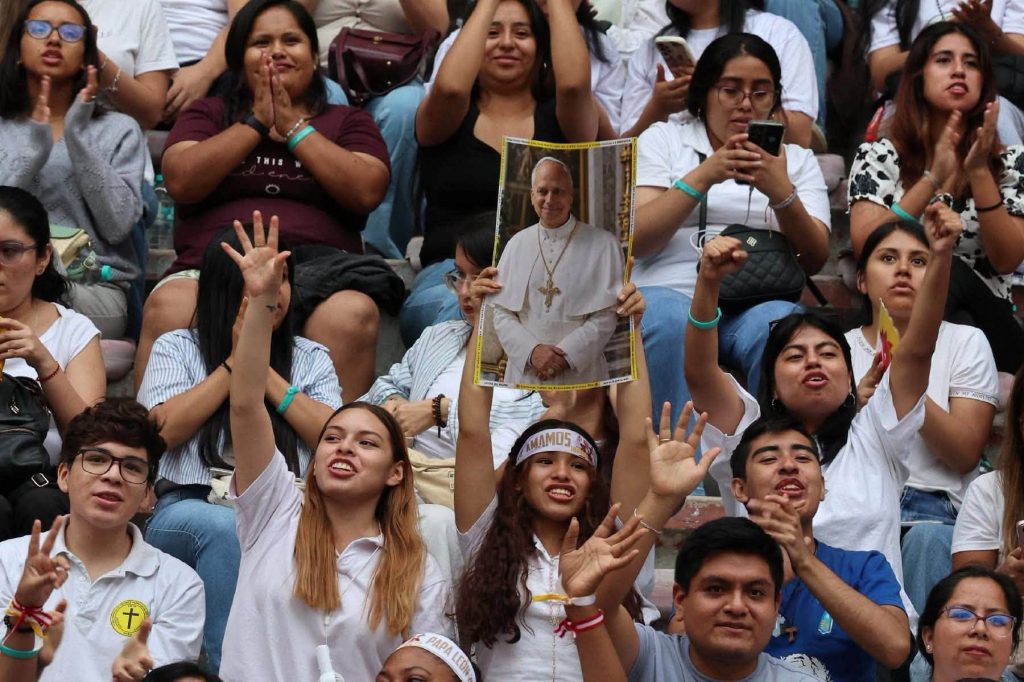
Security and medical services were deployed on a comparable scale. In Palermo, around 19,000 security personnel were involved, alongside ambulances, a field hospital and numerous service points. Córdoba deployed approximately 13,000 personnel and more than 80 ambulances. In Luján, the operation included 11,365 security personnel, 45 ambulances, four field hospitals and two medical helicopters. The provincial health authorities reported more than 8,000 consultations and medical interventions there, without serious cases.
Taken together, the figures show how a papal journey can become a major event for the societies that receive it. The economic returns are considerable, but they do not tell the whole story: millions of people travelled to participate in public celebrations, while thousands of others worked behind the scenes to make them possible. The challenge now, particularly for countries seeking to develop religious tourism, will be to turn the temporary momentum of the Pope’s visit into lasting benefits for local communities, cultural heritage and the institutions that serve pilgrims throughout the year.
Thank you for reading our content. If you would like to receive ZENIT’s daily e-mail news, you can subscribe for free through this link.

Publicaciones relacionadas:
 The Middle East, the spread of war, and the position of the Pope and the Catholic Church
 Statements of A German Bishop Who Voted Against the Texts of the 5th German Synodal Assembly
 Pope Leo XIV, Germany’s silent believers, and unexpected signs of a spiritual awakening opposed to the German synod
 Trump Attacks the Pope for the Second Day, and Meloni Defends Him. The World Reacts While the Catholic Vice-President of the USA Supports Him
