

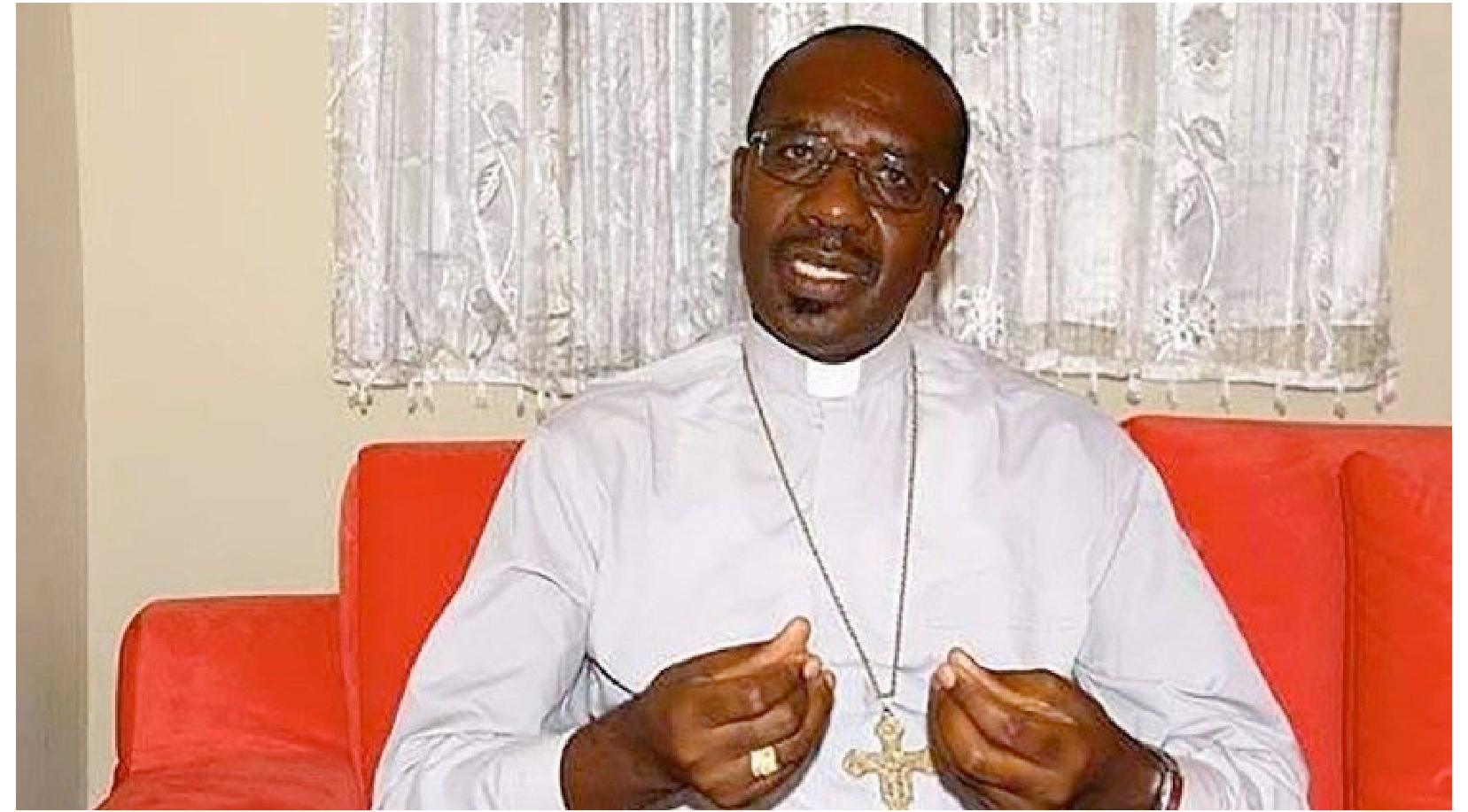
(ZENIT News / Angola, 10.07.2025).- Archbishop José Manuel Imbamba of Saurimo, Angola, President of the Episcopal Conference of Angola and São Tomé (CEAST), asked the authorities to penalize divination practices due to the social damage they cause.
The Archbishop made the statement during a pastoral visit to the parishes of Dala, Luda Sur Province, in the east of the country and near the border with the Republic of Congo. He explained that superstitious practices are «destructive for families, divisive for communities, and an obstacle to development.»
He gave an example: «Last year, a person went from house to house demanding payments, entering without permission, claiming to be seeking witchcraft. Often, his accomplices place suspicious objects in the home to validate their false claims.»
He clarified that «it is unacceptable that the authorities do nothing while these people harass peaceful citizens, entering private properties under the pretext of fetishism. This must end.»
In contrast, the practice of witchcraft and divination is growing in Western countries. Social media platforms like Facebook and TikTok «are full of oracles,» said Ricardo Salas, owner of the Tarot Museum in Madrid, commenting on the «people who read not only tarot, but also astrological cards or Viking runes.» He asserts that his business’s sales have grown 30% in the last three years.
The hashtag «Witchtok» – witchcraft on TikTok – has accumulated millions of views. Furthermore, the newspaper El País carried out a survey in November 2024 and found that more than 50% of Generation Z is interested in tarot and psychics.
Why then did Archbishop Imbamba criticize the belief in mystical and cultural objects as a source of power? «We must free ourselves from the myths and falsehoods that make us believe that death is always caused by someone. Our society must become a society of knowledge, science, and reason.»
He pointed out that superstition hinders cultural advancement: «This problem is often treated as part of customary law, but we have to reform our customs. Culture must liberate, not oppress.»
And he emphasized that the problem is very broad: «Those so-called doctors and graduates who still cling to these superstitions are not truly liberated from the darkness of ignorance. They will remain culturally enslaved.»
Archbishop Imbamba was categorical: «We can no longer fall into the trap of thinking that a doll or an object gives us life, wealth, or fame. This corrupt mentality must be combated.»
Since his appointment in 2011 to the Archdiocese of Saurimo, the Archbishop has advocated for the reform of cultural practices to overcome this type of behavior: «The authorities must sit down and say: our jurists must criminalize this, because the violence being experienced is indescribable.»

Publicaciones relacionadas:
 Interview with the Person in Charge of Aid to the Church in Need’s Projects in Africa, to Understand the Situation in Sudan
 For the first time a Catholic cardinal actively participates in the coronation of an English King
 Colombian Bishops Push Back After President’s Remarks on Jesus Spark National Outcry
 After one month of Nicolás Maduro’s imprisonment, the Venezuelan government restores Cardinal Porras’ passport
