

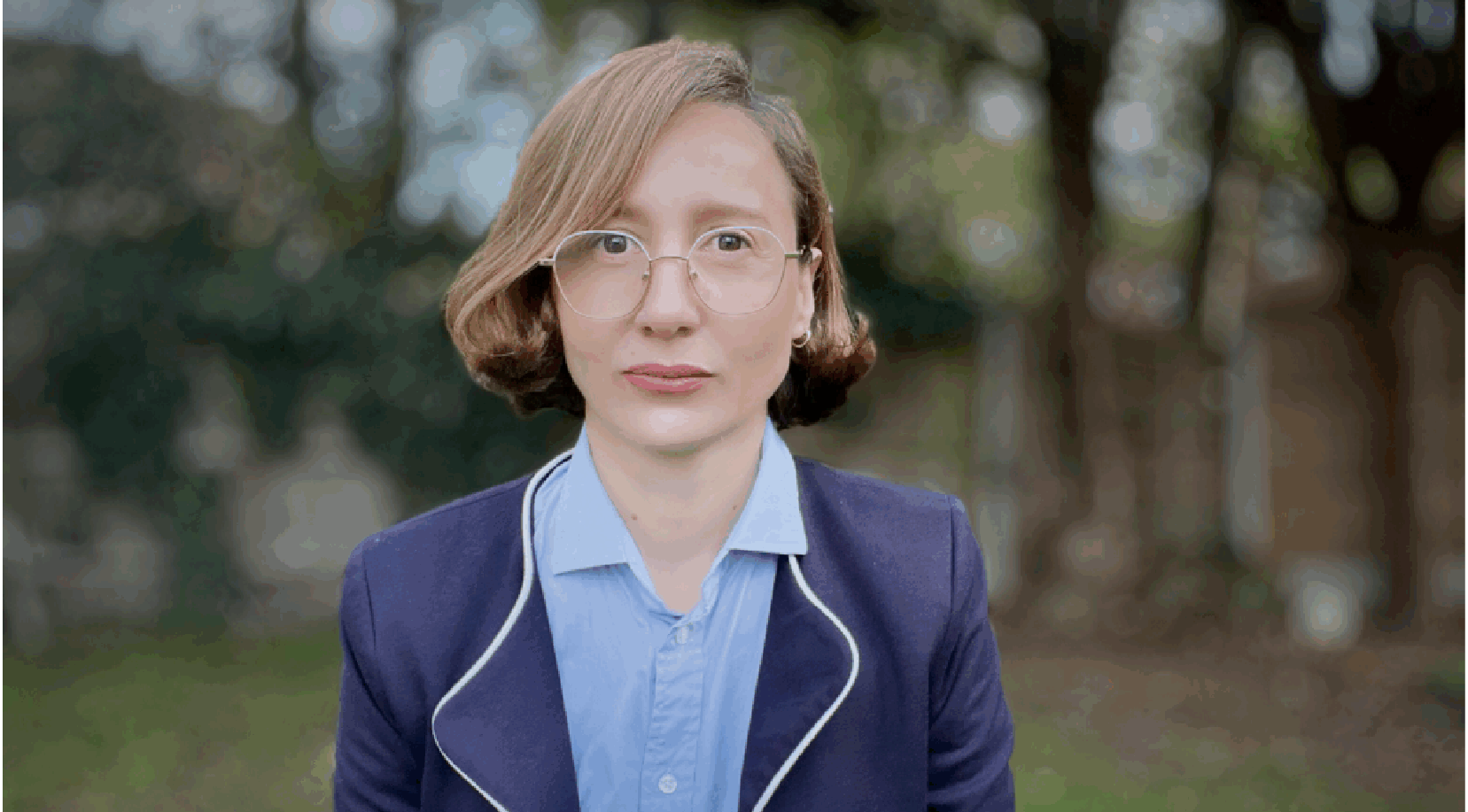
(ZENIT News / London, 01.25.2026).- A well-known Brazilian commentator living in the UK is at the centre of a cross-border free speech case over an Instagram video filmed in her home in September 2024.
Nine Borges, a UK-based scientific consultant with more than a quarter of a million Instagram followers, is a prominent critic of gender ideology. But now, she’s being criminally investigated by Brazilian federal police for posting a video criticising public officials for using government money to fund pro-LGBT NGOs in Brazil.
In the video, Nine criticised Brazil’s LGBT National Secretary – a man who identifies as a woman. Shortly after the post, the Secretary filed a complaint, triggering a criminal investigation into Nine. By August 2025, she was formally notified that she was under investigation for “transphobia” and “defamation”. In October, she appeared before the police and by November, authorities recommended moving forward with formal prosecution.
The charges involve “transphobia” and “misgendering” the Secretary. International human rights law guarantees the right to express ideas without fear of criminal investigation or prosecution, including criticism of public officials. The attempt to classify peaceful criticism as «transphobia» represents a serious threat to freedom of speech. That’s why ADF International is providing legal support to Nine.
“I spoke out because the public deserves to know what is happening in their own country. I will not be intimidated for sharing my views online. I have the right to question powerful officials. Brazilians everywhere should have the same freedom without fear of investigation or arrest,” said Nine.
To understand why this is happening, we need to go back to 2019 when Brazil’s Supreme Federal Tribunal ruled that “transphobia” and “homophobia” are crimes carrying up to five years in prison per count.
The Court created this law without going through Congress, sidestepping the usual democratic process. Since then, censorship in Brazil has been steadily increasing, threatening the ability of everyday people, influencers, and even public officials to speak freely online.
This year, social media influencer Isabella Cepa faced a criminal investigation for her post about gender ideology, and ADF International supported the successful defence of Pastor Douglas Baptista, who faced criminal charges of “transphobia” for authoring a book with a Christian view of sexuality. Thankfully, common sense prevailed, and charges in both cases were eventually dropped.
What these cases reveal is that Brazil is undergoing a crisis of censorship. Brazilians should be able to express their views freely on issues of public concern without fear of retribution or censorship.
Thank you for reading our content. If you would like to receive ZENIT’s daily e-mail news, you can subscribe for free through this link.

Publicaciones relacionadas:
 Idaho receives support from 24 states to protect children’s privacy against gender ideology
 Survey Reveals Majority of Parents Reject Woke Teachings in Schools
 U.S. Refuses to Join Declaration at UN Commission on Women
 Cardinal Eijk Calls for Deeper Church Engagement on Gender Medicine and Bioethics
