

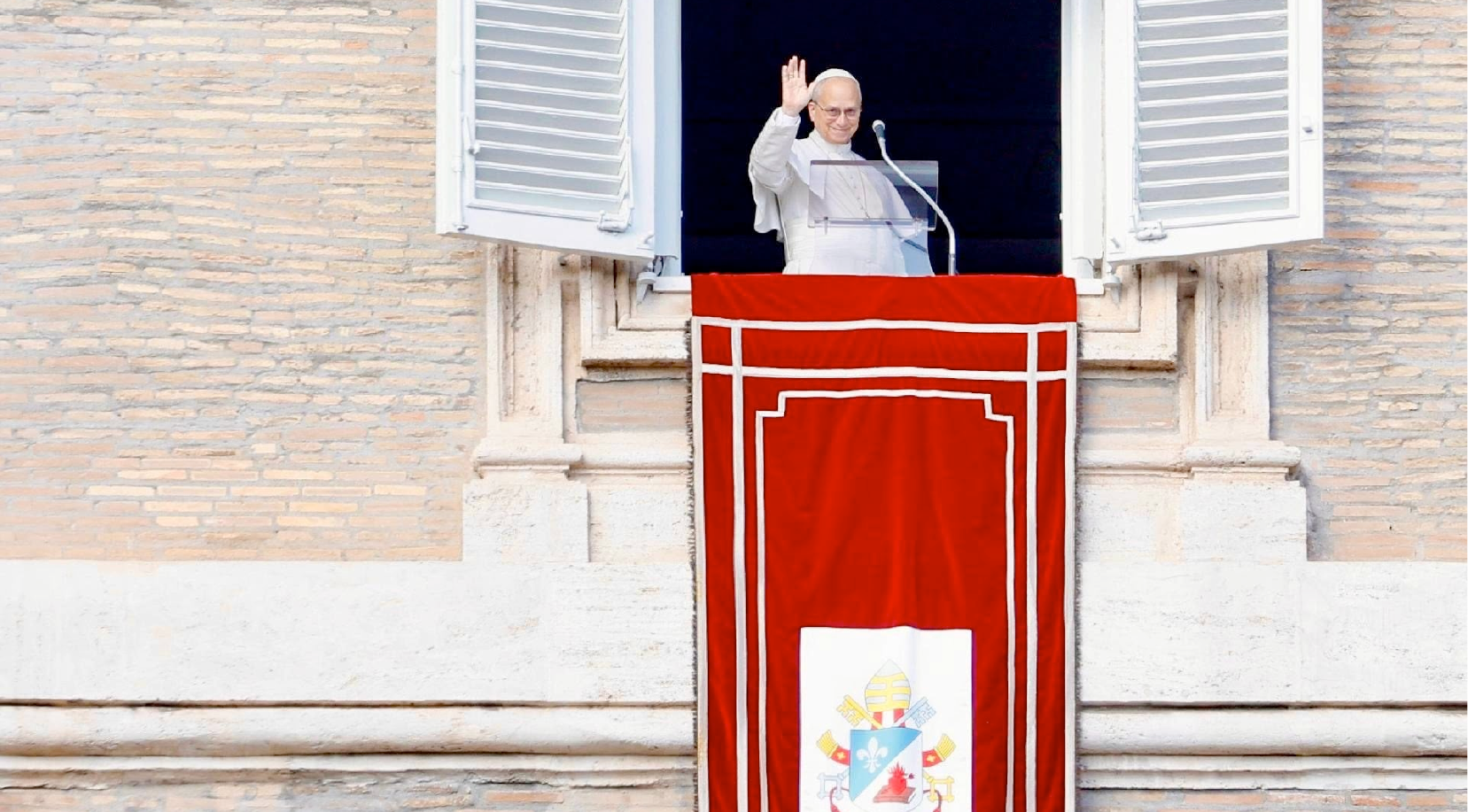
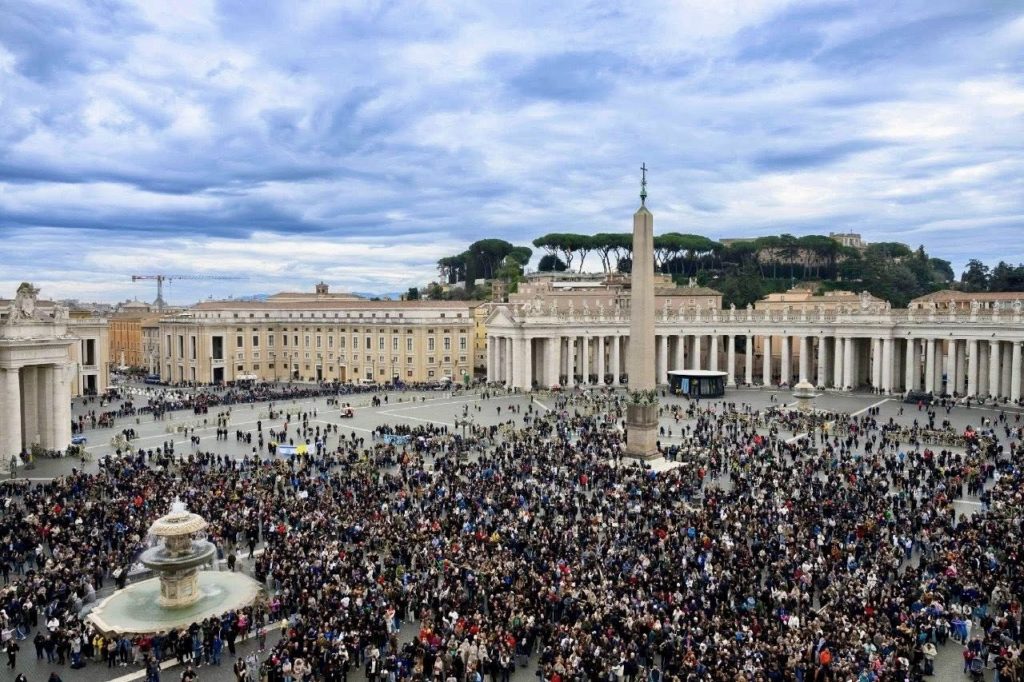
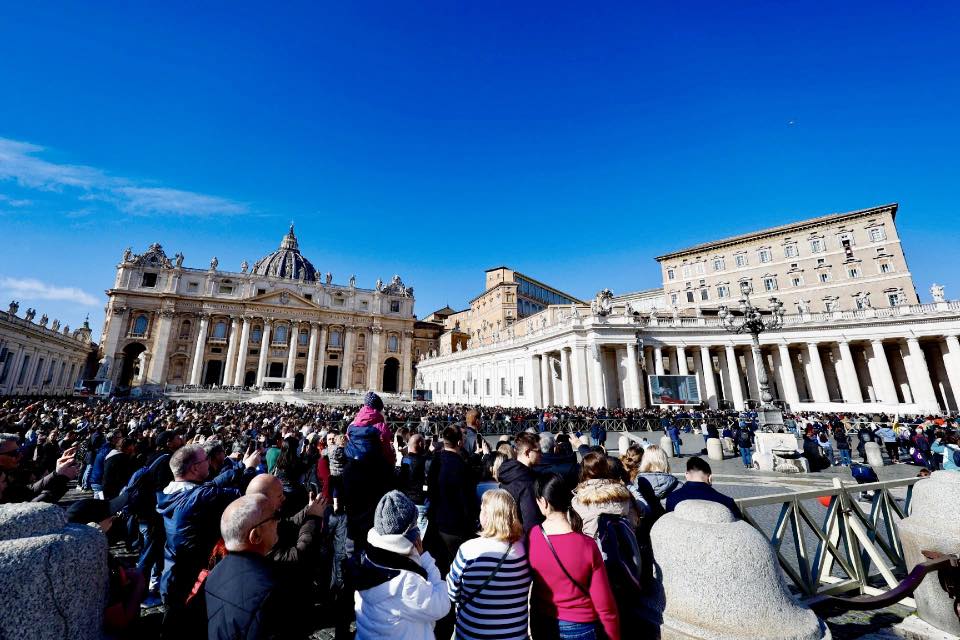
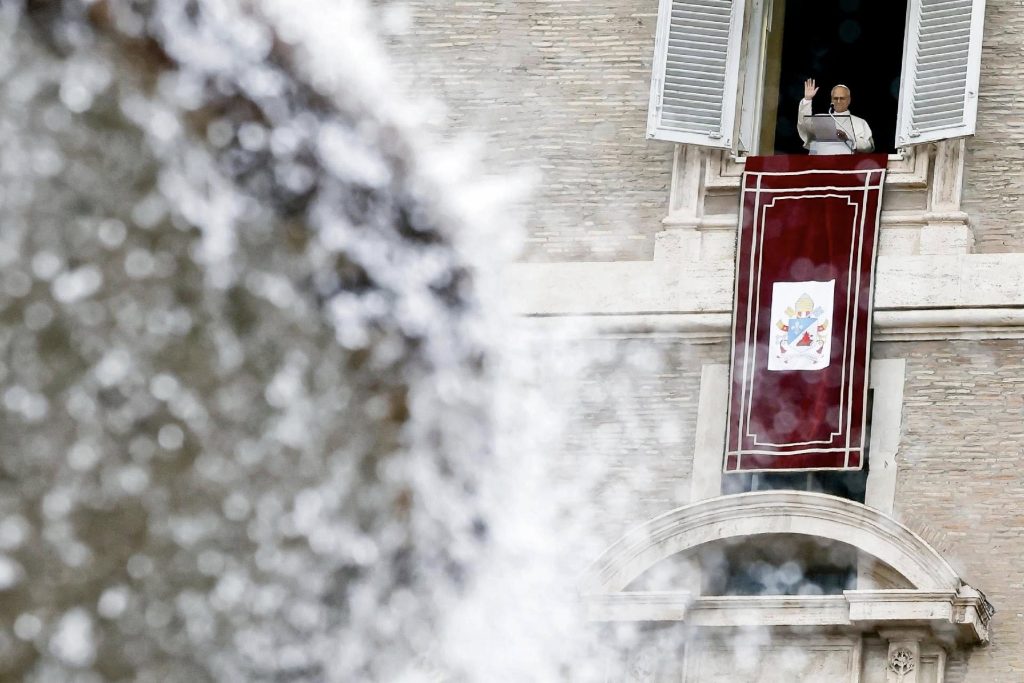
(ZENIT News / Vatican City, 01.25.2026).- At noon on Sunday, January 25, the Holy Father prayed the traditional Marian prayer of the Angelus with hundreds of pilgrims gathered in St. Peter’s Square. In addition to his address prior to the Angelus prayer, the Pope remembered those suffering from the invasions in Ukraine, those suffering from leprosy, and the members of Italian Catholic Action present in the square. Below is the English translation of the Pope’s address:
***
Brothers and sisters, happy Sunday!
After his baptism, Jesus began his preaching and called his first disciples: Simon, who is called Peter, his brother Andrew, and James and John (cf. Mt 4:12-22). Reflecting more closely on this scene from today’s Gospel, we can ask ourselves two questions. The first concerns the timing of Jesus’ mission, and the second regards the place he chose to preach and to call his apostles. We may ask: When did he begin? And where did he begin?
First of all, the Gospel tells us that Jesus began his preaching “when he heard that John had been arrested” (v. 12). He began, therefore, at what might appear to be an inopportune moment. John the Baptist had just been imprisoned, and the leaders of the people were seemingly reluctant to embrace the newness of the Messiah. Apparently, it was a time that called for caution. Yet, it was precisely in this dark situation that Jesus began to bring the light of the Good News: “The kingdom of heaven has come near” (v. 17).
In our lives, both individually and as a Church, interior struggles or circumstances we deem unfavorable can lead us to believe that it is not the right time to proclaim the Gospel, to make a decision, to make a choice, or to change a situation. In this way, however, we risk becoming paralyzed by indecision or imprisoned by excessive prudence, whereas the Gospel calls us to dare to trust. God is at work at all times; every moment is “God’s time,” even when we do not feel ready or when the situation seems unfavorable.
The Gospel also offers us insight into the specific place where Jesus began his public mission. We are told that he “left Nazareth and made his home in Capernaum” (v. 13). By doing so, he remained in Galilee – a predominantly pagan territory that trade had transformed into a crossroads and a place of encounter. We might describe it as a multicultural region, traversed by people of diverse origins and religious affiliations. In this sense, the Gospel reveals that the Messiah, while coming from Israel, transcends the borders of his own land to proclaim a God who draws close to everyone. He is a God who excludes no one, and who comes not only for the “pure,” but enters fully into the complexity of human situations and relationships. As Christians, therefore, we too must overcome the temptation toward isolation. The Gospel must be proclaimed and lived in every setting, serving as a leaven of fraternity and peace among all individuals, cultures, religions and peoples.
Brothers and sisters, like the first disciples, we are called to embrace the Lord’s invitation with joy, knowing that every time and every place in our lives is permeated by his presence and his love. Let us pray to the Virgin Mary, that she may obtain for us this inner trust and accompany us on our journey.
Thank you for reading our content. If you would like to receive ZENIT’s daily e-mail news, you can subscribe for free through this link.

Publicaciones relacionadas:
 John the Baptist’s Crisis: Pope’s Meditation for the Third Week of Advent
 Pope Francis Explains Why Martyr Saints Are Commemorated During the Christmas Season
 What is the vigilance recommended by Jesus in the Gospel? Pope explains
 Pope responds to question «how is it possible that God’s glory is manifested in the Cross?»
