

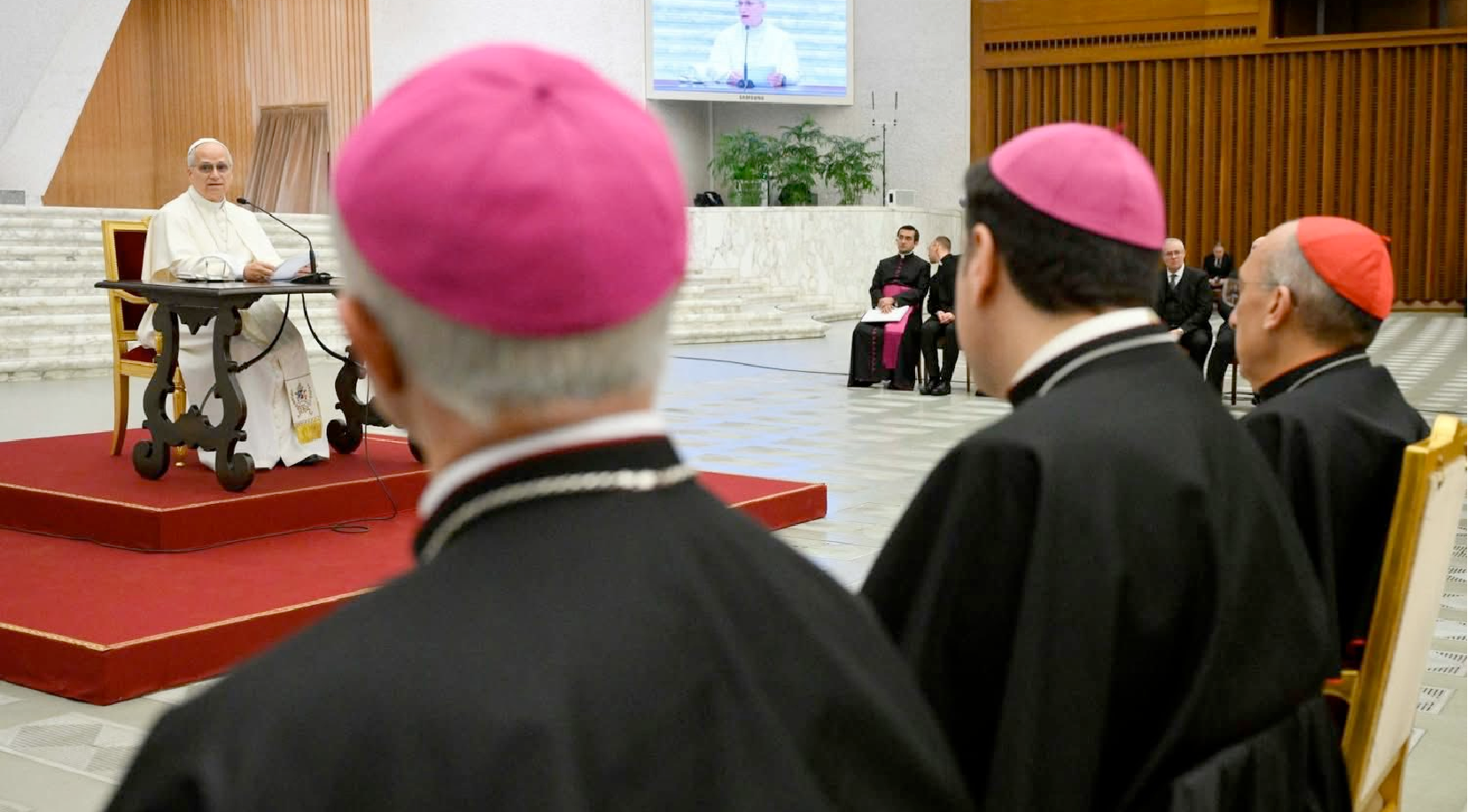
(ZENIT News / Vatican City, 02.23.2026).- In a closed-door encounter, Pope Leo XIV delivered a pointed message to the priests of his own diocese: no algorithm can replace a shepherd’s soul.
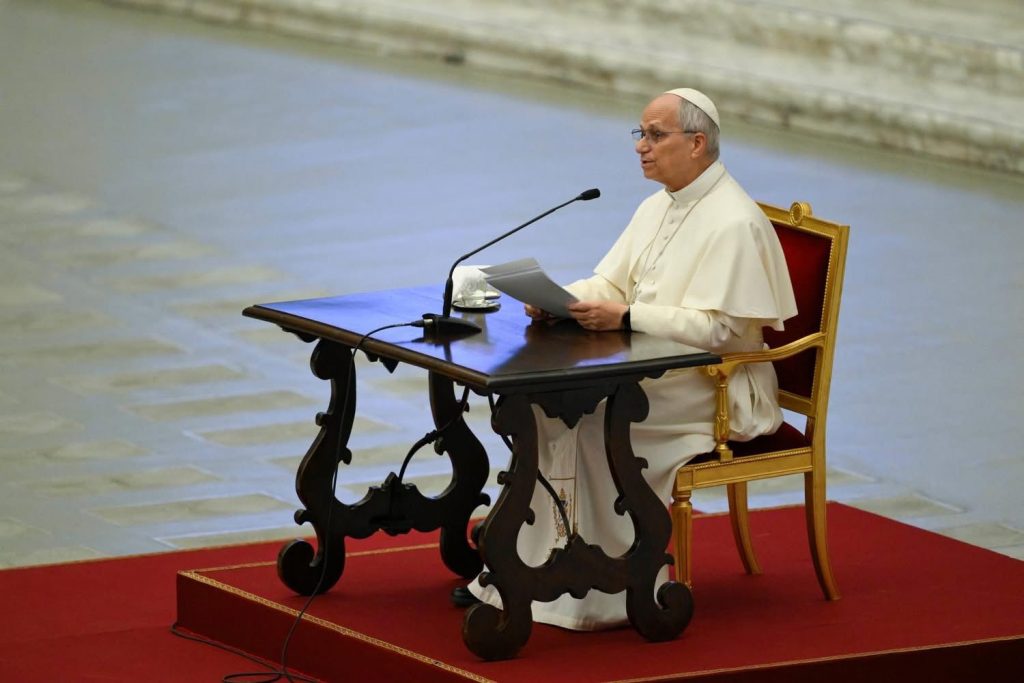
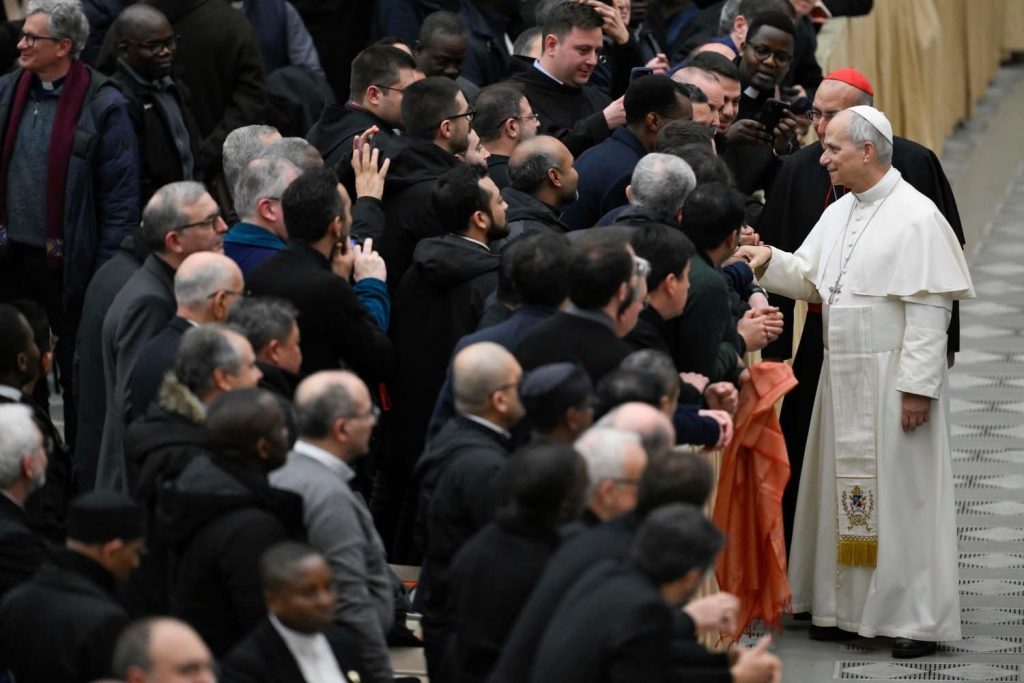
The meeting took place on Thursday, February 19, in the Vatican’s Paul VI Hall, where the Bishop of Rome gathered his clergy for a frank exchange that lasted about 45 minutes. After an initial address, the Pope opened the floor to questions. Four priests—representing different age groups—posed queries that ranged from evangelizing in postmodern culture to accompanying the elderly and addressing end-of-life dilemmas. The Holy See released the full conversation the following day, offering a rare, unfiltered glimpse into Leo XIV’s pastoral priorities.
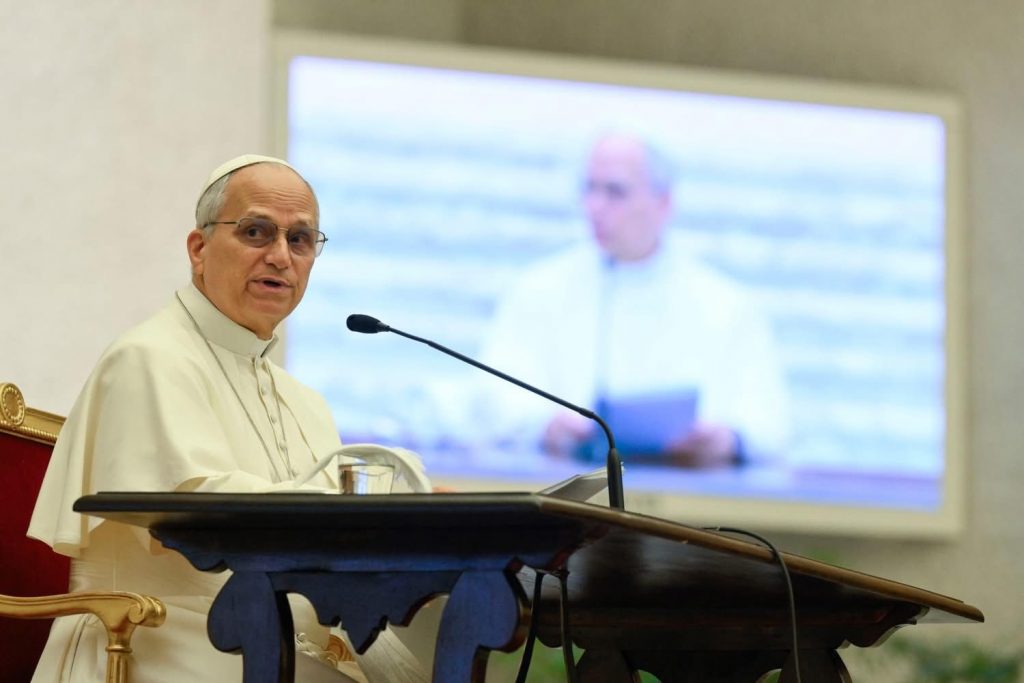
Artificial intelligence was not the central theme of the encounter, but it became one of its most striking moments. “Resist the temptation to prepare homilies with artificial intelligence,” the Pope urged. He framed the warning not as technophobia but as anthropology. Just as muscles atrophy when unused, he said, so too does the intellect. A priest’s mind must be exercised, not outsourced.
Yet his argument went further. A homily is not a technical product but an act of witness. “To give a true homily is to share the faith,” he told the Roman clergy. Artificial intelligence, however sophisticated, “will never be able to share the faith.” It can process data, synthesize commentary, and imitate style—but it cannot testify to an encounter with Jesus Christ.
Leo XIV’s sensitivity to technological disruption is not new. Within days of his election in May, he explained to the College of Cardinals that he had chosen his papal name in conscious continuity with Pope Leo XIII, whose 1891 social encyclical Rerum Novarum addressed the upheavals of the first industrial revolution. By invoking that legacy, the current Pope signaled his awareness that today’s digital revolution—particularly the rise of artificial intelligence—poses comparable questions about human dignity, labor, and the integrity of conscience.
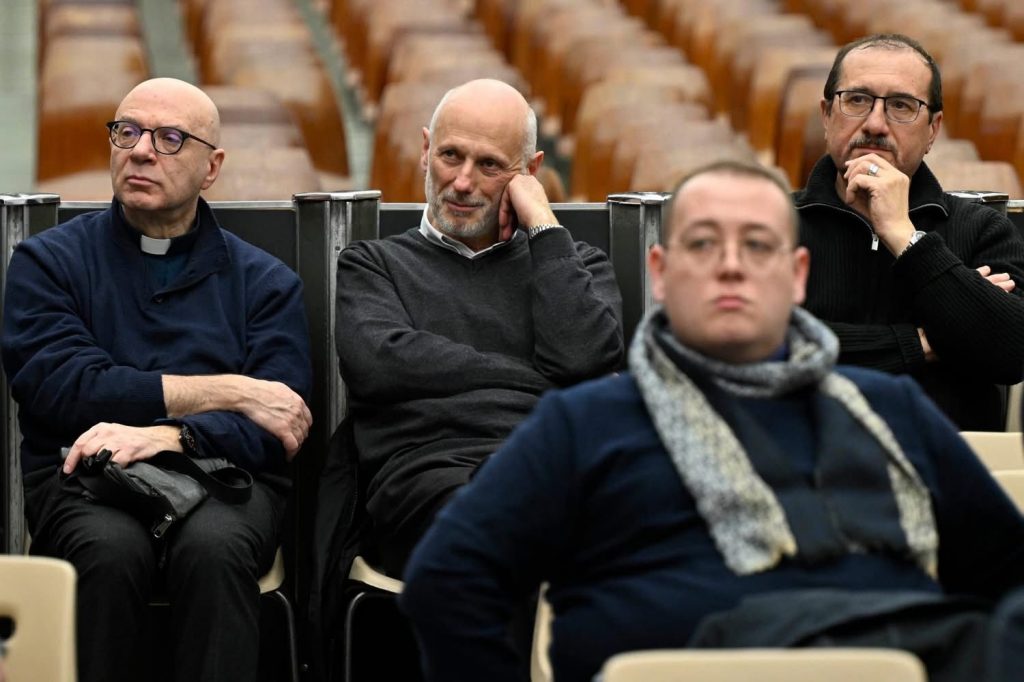
In his exchange with Rome’s priests, Leo XIV translated those macro-level concerns into concrete pastoral advice. A homily must be “inculturated,” rooted in the lived reality of a specific parish. The faithful, he said, want to see their priest’s faith: his experience of having encountered and loved Christ and the Gospel. That cannot be downloaded.
The Pope also warned against a subtler distortion of priestly identity: the search for validation on social media platforms such as TikTok. The illusion, he suggested, is to believe that accumulating followers or “likes” means one is effectively evangelizing. If a priest is primarily offering himself—his personality, his opinions—rather than transmitting Christ’s message, he risks mistaking visibility for fruitfulness. “It is not because I am that I offer what I am,” he cautioned, calling for humility and ongoing self-examination.
The deeper foundation, Leo XIV insisted, is prayer. Not the hurried recitation of the breviary “as fast as possible,” even if conveniently stored on a smartphone, but time genuinely spent with the Lord: listening to the Word of God, praying the Psalms, entering into real dialogue. Prayer includes wrestling with questions—“Why, Lord? What do you want of me? What can I do?”—and allowing those questions to reshape one’s ministry. Only from a life authentically rooted in God can a priest offer something that is not merely his own.
The conversation widened to generational and cultural challenges. A young priest asked how clergy can support their peers and reach today’s youth. Leo XIV painted a sobering picture: many young people live in profound isolation. The phenomenon intensified after the pandemic but did not begin there. The omnipresent smartphone creates the illusion of companionship—“my friend is here,” one might say—while human contact grows thinner. What emerges is distance, indifference, and a loss of appreciation for genuine relationships.
Priests, the Pope argued, must not limit themselves to the small number of young people who already attend parish activities. They must go out, devise initiatives, offer alternatives—sports, art, cultural events—and patiently build experiences of friendship and communion. From that human ground, they can invite young people to discover Christ, who calls his disciples not servants but friends.
Leo XIV’s realism extended to family contexts marked by crisis: absent parents, divorce and remarriage, emotional abandonment. Pastoral accompaniment requires knowing this terrain. Young priests, closer in age and formation to their peers, can play a decisive role—but only if their witness is coherent.
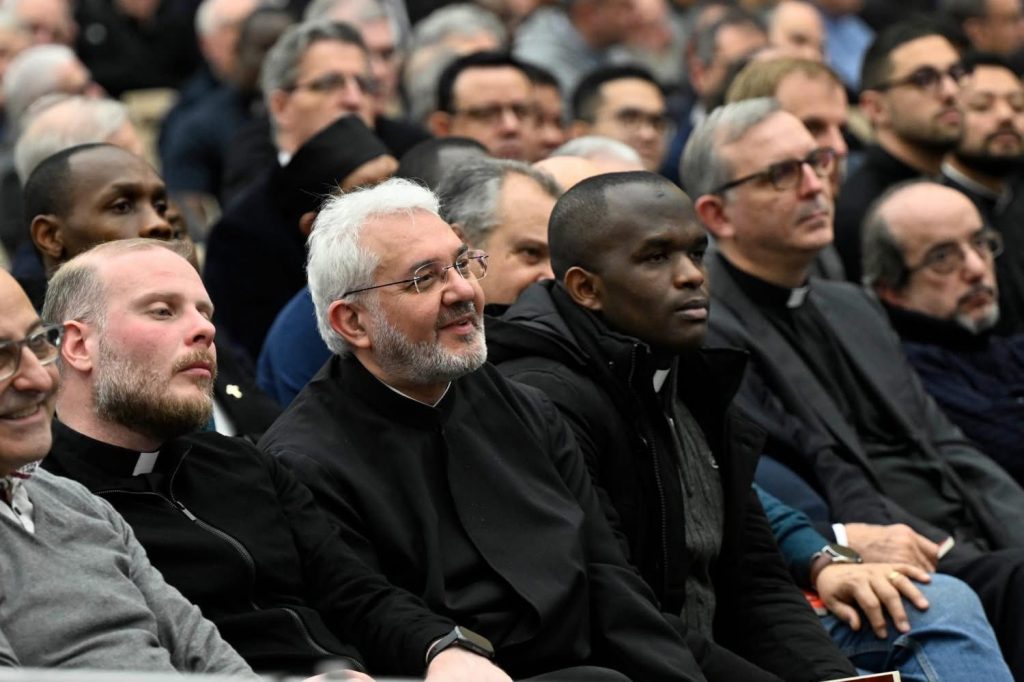
He also turned the lens inward. Clergy are not immune to bitterness. Some, he noted candidly, live with a persistent negativity, even from youth, never having experienced true fraternity. Such an attitude undermines credibility, especially in societies where euthanasia is increasingly debated and, in some countries, legalized. If priests themselves radiate dissatisfaction with life, how can they convincingly proclaim that life has immense value, even amid suffering?
In Europe, including Italy, end-of-life legislation is a recurring public issue; in Canada, euthanasia is already legal. Leo XIV did not enter into legislative detail, but he underscored a pastoral principle: priests must be the first witnesses to the worth of life. Gratitude, cultivated across the years, becomes a form of apologetics.
The Pope addressed other practical matters as well. With vocations declining in parts of Europe and the number of elderly clergy rising, priests must prepare spiritually to accept aging, illness, even solitude. At the same time, he encouraged fraternal bonds among priests: shared study, common prayer, even simple meals together. He warned against invidia clericalis—clerical envy—which corrodes communion from within.
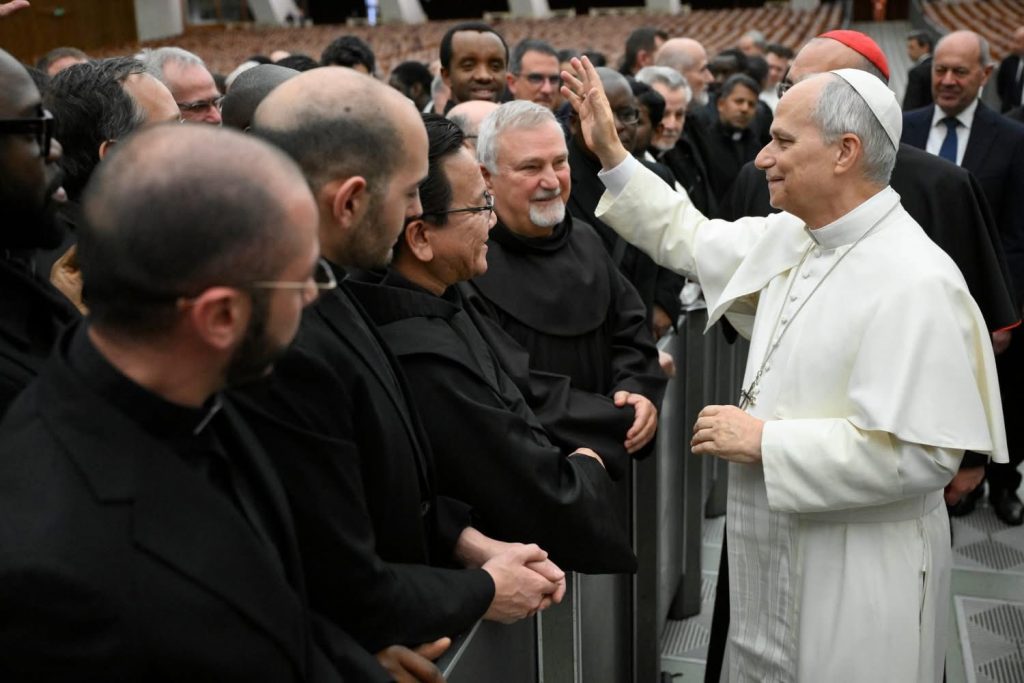
There were also reminders about sacramental presence. While lay ministers perform valuable service, especially where priests are few, the ordained minister cannot retreat into administrative comfort or digital distraction. Bringing Holy Communion and the anointing of the sick to the infirm remains a personal responsibility of the priest.
The February 19 dialogue in the Paul VI Hall was a pastoral examination of conscience. It revealed a pontiff acutely aware of the technological, cultural, and spiritual pressures reshaping ministry. In an era when artificial intelligence can generate sermons in seconds and social platforms reward instant reaction, Leo XIV is asking his priests for something slower and harder: cultivated intelligence, disciplined prayer, embodied presence, and the courage to witness to a faith no machine can simulate.
Thank you for reading our content. If you would like to receive ZENIT’s daily e-mail news, you can subscribe for free through this link.

Publicaciones relacionadas:
 Leo XIV: A Pope Who Ordains Priests Again (And Other Masses During May 2025)
 “We Are Not Perfect but We Are Fiends of Christ,” the Pope’s Great Address That All Priests Should Read
 Jesus, the Liturgy, and Vocation: What Pope Leo XIV Told French Altar Boys That Every Altar Boy Should Know
 The sacrament of confession (reconciliation or penance), beautifully explained by Pope Leo XIV to young priests and seminarians
