

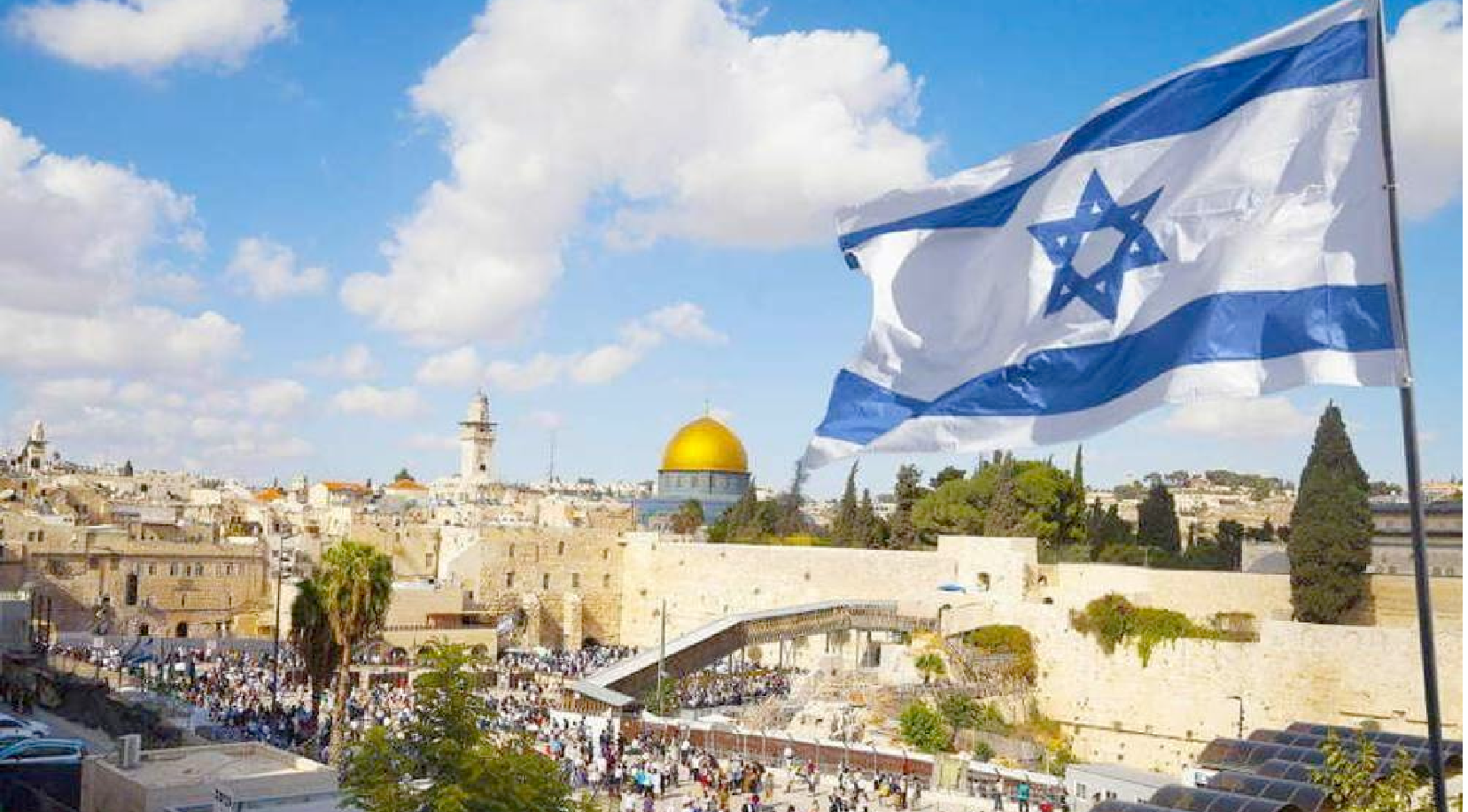
(ZENIT News / Rome, 01.25.2026).- After years defined by pandemic disruption and then the trauma of war, Israel’s tourism authorities are cautiously declaring 2025 a turning point. The Ministry of Tourism now describes the past year as “successful,” reporting 1.3 million international arrivals—a modest figure by historical standards, but a meaningful recovery in a country where foreign travel had nearly collapsed after October 7, 2023.
According to data released on January 6 (2026), the largest share of visitors came from the United States, with roughly 400,000 arrivals, followed by France (159,000) and the United Kingdom (95,000). Canada contributed another 28,000 tourists. These numbers reflect not only the gradual return of air connectivity but also a core of travelers willing to cross geopolitical fault lines to reach the Holy Land.
Visitor feedback has been strikingly positive. A recent ministry survey found that 88 percent of tourists reported high satisfaction with their stay, and 83 percent said they would recommend Israel as a destination. Such figures matter in a sector where perception often counts as much as infrastructure.
Tourism Minister Haim Katz linked the rebound to easing travel advisories and the restoration of flight routes, saying that 2026 is shaping up as a year of further recovery. Demand from key markets—especially the United States—remains strong, he noted, adding that the government will continue prioritizing infrastructure and projects that deliver the greatest long-term returns for tourism growth.
Behind these cautiously optimistic headlines lies a dramatic reversal of fortune. Only months earlier, the outlook had been bleak. Before the Hamas attack of October 7, 2023—which left about 1,200 people dead, mostly civilians, and 253 taken hostage—Israel had been riding a post-COVID upswing. The country welcomed 3.01 million tourists in 2023, up 12.5 percent from 2022, and officials were projecting at least 5.5 million arrivals, surpassing the pre-pandemic record of 4.55 million set in 2019.
Those projections evaporated overnight. Airlines suspended services, tour operators pulled out, and Israel’s tourism economy—once responsible for roughly three percent of national GDP—was abruptly frozen. For a time, recovery during an active conflict seemed implausible.
Yet the past year has told a more nuanced story. Airlines have gradually reinstated routes, and a new profile of visitor has emerged. Alongside traditional leisure travelers, the market has seen a surge in VFR tourism—people visiting friends and relatives—as well as volunteers arriving to assist with relief efforts.
Michael Izhakov, Director General of the Ministry of Tourism, described 2025 as a year of parallel battles: managing an ongoing crisis while laying structural foundations for the future. The ministry invested heavily in strengthening tourism infrastructure, supporting entrepreneurs, and maintaining overseas marketing channels, all while coordinating closely with the private sector to protect jobs and rebuild international confidence.
Survey data from the first half of 2025 reveal notable shifts in who is coming—and why. The proportion of visitors identifying as Jewish fell to 51 percent, down from 66 percent in 2024, while the share of pilgrims nearly doubled, rising from 5 percent to 9 percent. For religious tourism observers, this is a significant development, suggesting renewed interest in Israel’s biblical and Christian heritage even amid instability.
Spending patterns also changed. Average expenditure per tourist climbed to $1,622, up from $1,427 in 2024 (excluding flights), although the average stay shortened from 11.4 nights to 9.3. The most common reason for travel remained visits to family and friends (45 percent), followed by leisure (14 percent) and business (12 percent), the latter showing a notable increase from the previous year.
To support the rebound, the ministry has approved approximately $55.17 million—drawing partly on reallocated funds from earlier years—for dozens of public tourism infrastructure projects proposed by local authorities. These range from visitor facilities to urban improvements aimed at making destinations more accessible and resilient.
For a country whose sacred sites attract millions of pilgrims in normal times—Jewish, Christian, and Muslim alike—the gradual return of travelers carries symbolic weight beyond economics. In a land where faith, history, and geopolitics are inseparable, tourism is not merely an industry; it is a measure of stability and trust.
Thank you for reading our content. If you would like to receive ZENIT’s daily e-mail news, you can subscribe for free through this link.

Publicaciones relacionadas:
 Pope Leo XIV publicly notes deterioration of international and humanitarian law
 Israeli Prime Minister Calls Pope After Military Attack on Catholic Parish in Gaza
 How many Christians remain in Gaza after nearly two years of war? These are the data
 Cardinal of Jerusalem Warns Against E-mail Fraud in His Name
