

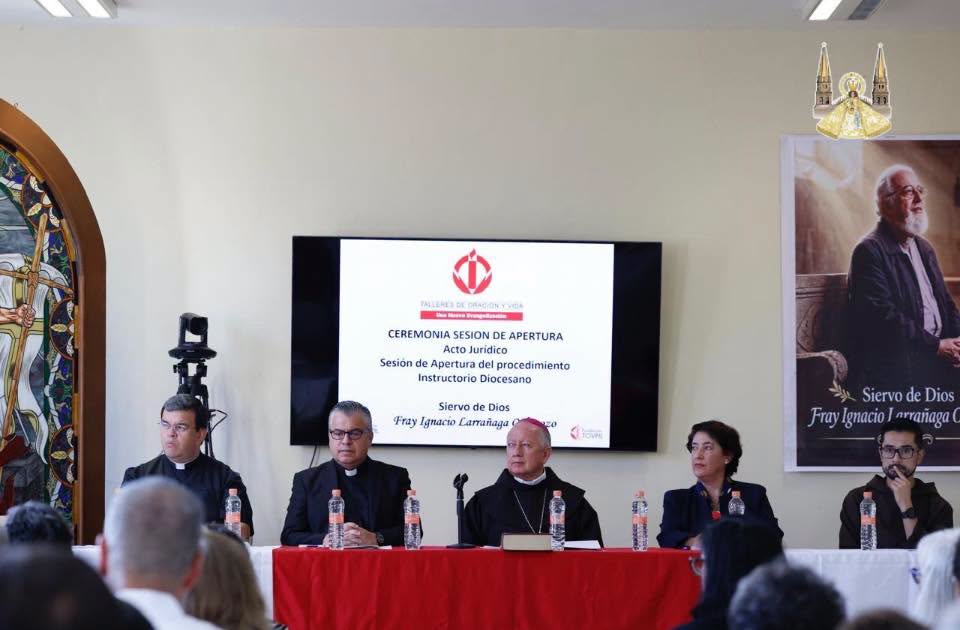
(ZENIT News / Guadalajara, 10.09.2026).- Thirteen years after the death of Capuchin priest Ignacio Larrañaga Orbegozo, the Catholic Church has formally begun investigating whether his life offers an example of holiness for Catholics around the world. On October 6, the Archdiocese of Guadalajara, Mexico, opened the diocesan phase of his cause for beatification and canonization, setting in motion an inquiry into the spiritual legacy of a priest whose approach to contemplative prayer reached far beyond the religious communities in which it originated.
Larrañaga’s influence rested on a deceptively simple ambition: to help ordinary people develop a deeper relationship with God. Through the Prayer and Life Workshops, the movement he founded in Chile in 1984, he sought to make the contemplative tradition accessible not only to religious specialists, but also to people navigating the demands and difficulties of everyday life. What began as a pastoral initiative eventually spread across five continents.
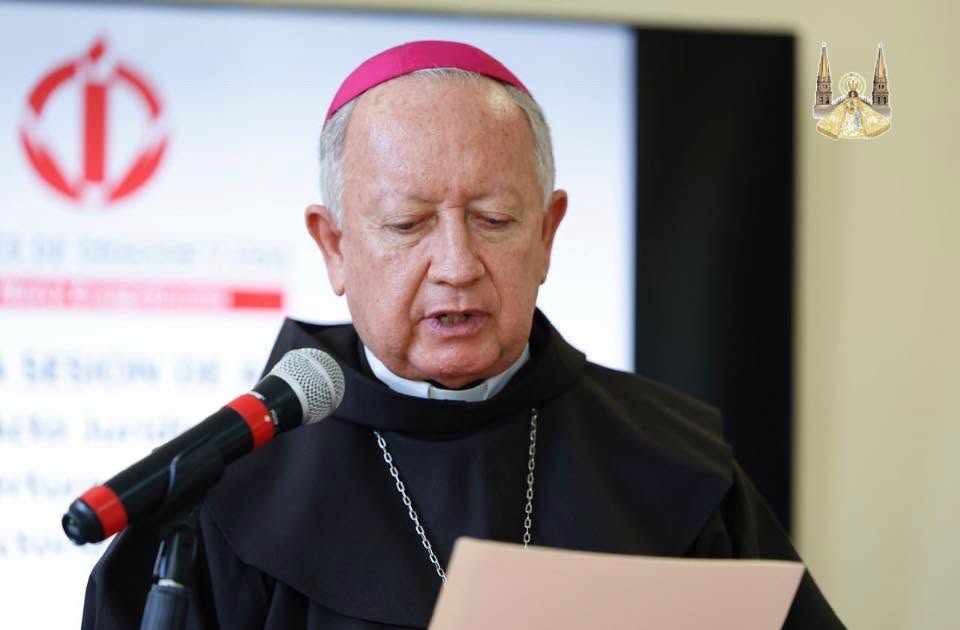
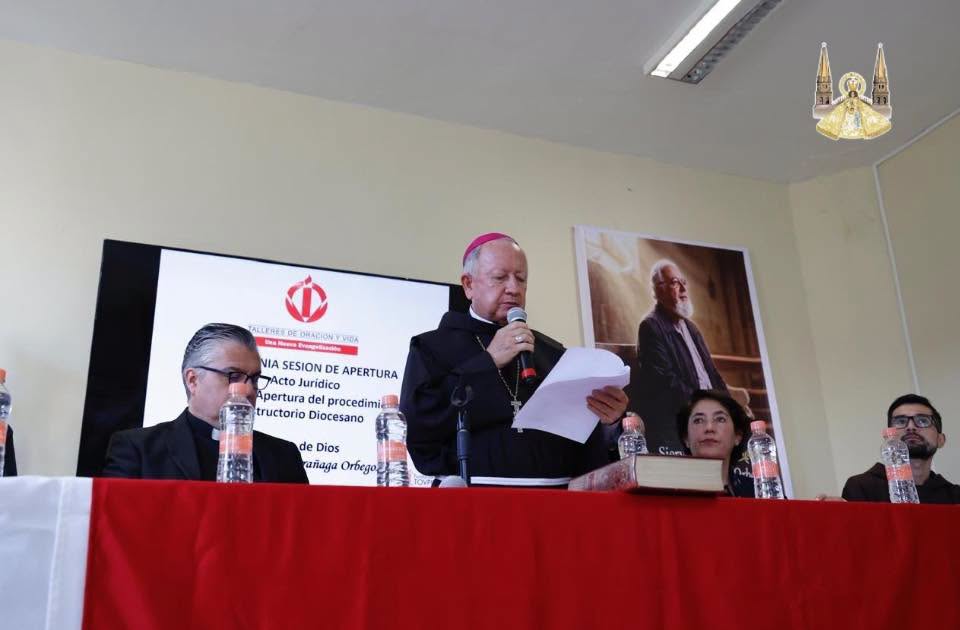
At the opening ceremony in Guadalajara, the ecclesiastical authorities announced that the Vatican’s Dicastery for the Causes of Saints had granted its required authorization, known as a nihil obstat. Cardinal Francisco Robles Ortega, the city’s archbishop, then formally decreed the beginning of the investigation. Guadalajara is responsible for the diocesan proceedings because Larrañaga died there on October 28, 2013, at the age of 85, while visiting the city for a formation gathering.
Representing the cardinal, Auxiliary Bishop Juan Manuel Muñoz Curiel described Larrañaga as an indefatigable seeker of God and a contemporary mystic. He said the priest had translated the rich contemplative spirituality of the Franciscan tradition into a straightforward method through which people from all walks of life could encounter the Lord more deeply.
The first materials submitted for the investigation indicate the international reach of the priest’s work. The diocesan postulator, Bishop Óscar Sánchez Barba, presented an initial list of 50 witnesses from ten countries, together with 47 books and booklets written by Larrañaga and additional documentation concerning his life and ministry. Investigators will examine these materials, interview witnesses and assess his writings to determine whether his reputation for holiness is supported by the evidence.
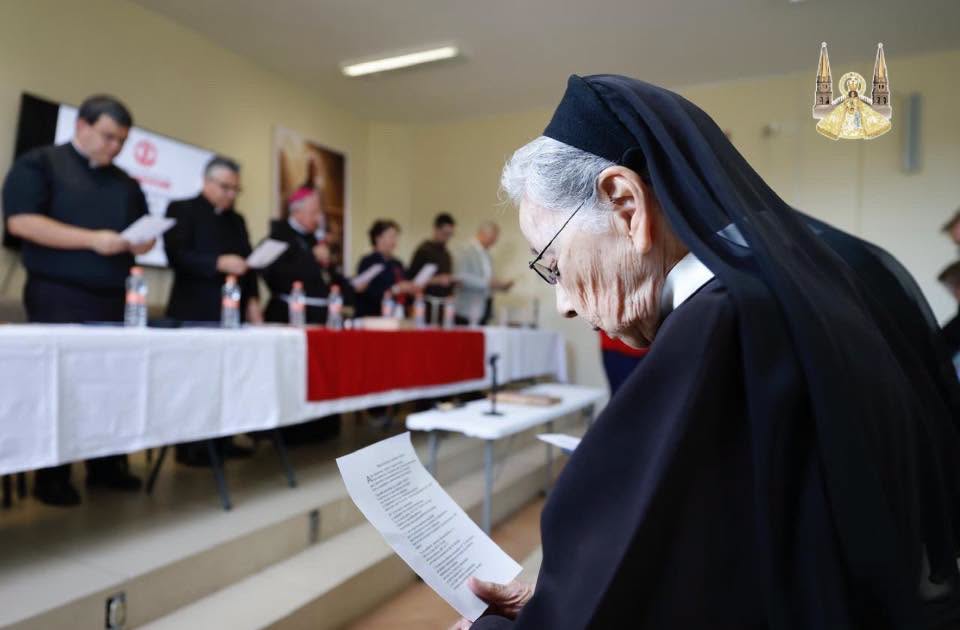
The proceedings are not simply an exercise in honoring a popular spiritual teacher. A cause for canonization requires a rigorous examination of a candidate’s life, writings, conduct and Christian virtues. If the investigation establishes that Larrañaga practiced those virtues to a heroic degree, and the Pope authorizes the relevant decree, he could be declared Venerable. Beatification would require a subsequent step: the recognition of a miracle attributed to his intercession, subject to the Church’s established procedures.
Born in Spain’s Basque region on May 4, 1928, Larrañaga entered the Capuchin minor seminary at the age of 12 and made his first religious profession in 1948. He was ordained a priest on December 20, 1952. His ministry soon took him beyond Spain: he arrived in Chile in 1959, where he participated in popular missions and pastoral work, before becoming an itinerant preacher and spiritual formator in Latin America and Europe.
In 1974, he began organizing meetings focused on the experience of God in Brazil. A decade later, he established the Prayer and Life Workshops in Santiago, Chile. Their expansion reflected his conviction that prayer should not remain an abstract subject of religious instruction, but become a lived practice capable of shaping personal decisions, relationships and daily responsibilities. In 2022, the workshops received recognition from the Holy See as an international private association of the faithful of pontifical right.
Larrañaga also expressed his spirituality through numerous books, including “Show Me Your Face”, “The Brother of Assisi”, “The Poor Man of Nazareth” and “The Silence of Mary”. Their themes reflect the principal concerns of his ministry: the search for God, Franciscan poverty, the humanity of Christ and contemplative attention to the life of the Virgin Mary.
Bishop Muñoz Curiel presented the cause as a reminder that holiness is not reserved for a select group of exceptional religious figures. Its purpose, he explained, is not to place a person on a pedestal for distant admiration, but to show how Christian life can be lived faithfully amid difficulties, uncertainty and the demands of a particular vocation.
That emphasis may prove especially relevant to understanding Larrañaga’s legacy. His work sought to bridge the distance between the language of mysticism and the spiritual needs of people outside monasteries and seminaries. The investigation will now have to determine whether the testimony, documents and writings substantiate the reputation that developed around him.
Thank you for reading our content. If you would like to receive ZENIT’s daily e-mail news, you can subscribe for free through this link.

Publicaciones relacionadas:
 U.S. Bishops Affirm Advancement of the Cause of Beatification and Canonization of the Servant of God Dr. Gertrude Barber
 Is The Author of “The Lord of the Rings” a Saint? This Is the State of His Process of Canonization
 USA: Visionary of Our Lady of Champion Declared «Servant of God»
 A Nobel Prize on the path to sainthood: Bishop of Oslo announces the start of Sigrid Undset’s canonization process
