

(ZENIT News / Madrid, 01.25.2026).- In barely two weeks, a charitable appeal turned into a national gesture of solidarity.
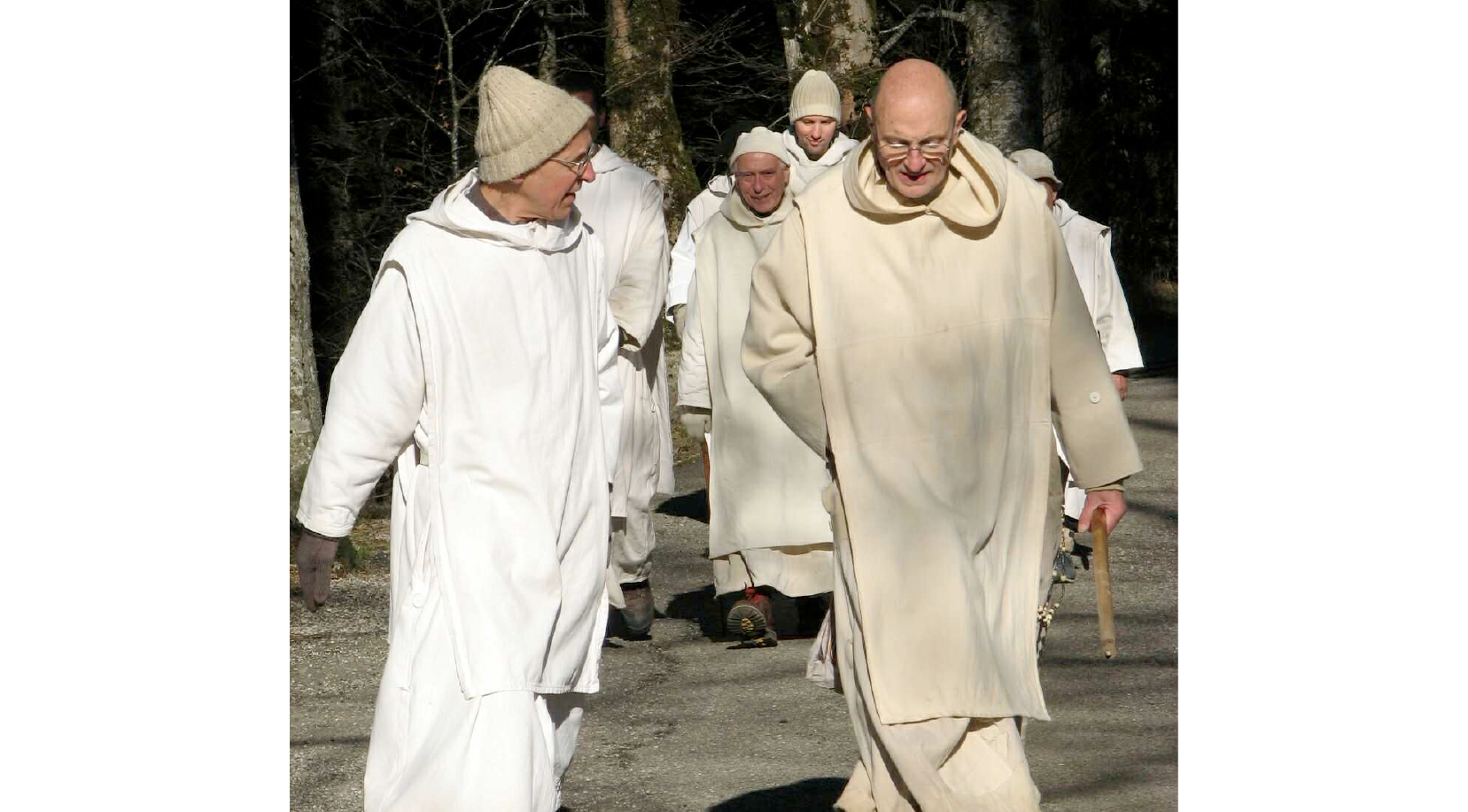
Spain’s cloistered nuns—and monks—are heading into the heart of winter with at least a little more warmth than in previous years, thanks to an unexpectedly rapid fundraising success by the DeClausura Foundation. Its campaign, tellingly titled “So They Don’t Have to Be So Cold—It’s in Your Hands,” reached its initial target of €100,000 in just fourteen days, a milestone that will help cover heating costs for contemplative communities across the country.
The original goal was to assist 80 monasteries during the harshest winter months. Donations have already begun reaching the first communities, although DeClausura acknowledges that the amounts sent so far fall short of fully covering seasonal energy bills. For that reason, the campaign will remain open until January 31, as planned, with the hope of expanding aid to even more monasteries.
The speed of this year’s response marks a dramatic change from 2025. Last winter, DeClausura raised €68,400, enabling support for 64 contemplative communities, with an average of €1,070 per monastery. This time, surpassing €100,000 in record time reflects not only donor generosity but also heightened public awareness—an awareness sparked in large part by recent media coverage.
A widely read report in the Spanish daily ABC revealed the stark reality inside many cloisters: some communities simply avoid turning on the heat, or run it sparingly, to keep costs down. The article quickly became one of the paper’s most viewed online stories, amplified by viral videos on social media. The result was a surge of contributions in the campaign’s final week.
For DeClausura, the issue is far from symbolic. “Cold in monasteries is not a metaphor—it’s a real problem that affects health and quality of life,” the foundation said in its statement. Many convents occupy centuries-old buildings designed long before modern insulation: thick stone walls, soaring ceilings, and minimal thermal protection. In winter, these architectural treasures become endurance tests.
Some religious sisters describe wearing multiple layers throughout the day—sometimes even several pairs of socks—just to remain functional during long hours of prayer and manual work. It is a quiet hardship, rarely visible beyond monastery walls.
The foundation stresses that reaching the €100,000 benchmark does not mean the crisis is resolved. Energy poverty remains a persistent threat for contemplative communities, whose income is often limited to small-scale crafts, donations, or modest pensions. DeClausura is therefore urging continued support throughout the winter months.
The response from the monasteries themselves has been characteristically simple—and deeply spiritual. “Spain will be saved by its generosity,” one community remarked.
Sister Micaela, abbess of the Poor Clares in Carrión de los Condes, in the northern province of Palencia, offered a characteristically candid reflection on faith and providence. “These are miracles God works—but only if we ask,” she said. With gentle humor, she added: “Sometimes people tell me, ‘I don’t receive anything.’ And I ask, ‘But did you ask?’ If the answer is no, then it’s not God’s fault.”
DeClausura sees this year’s campaign as proof that prayer and practical action can move together. “They asked for help, and many people chose to answer,” the foundation noted, expressing gratitude for what has already translated into warmer rooms, functioning radiators, and a more bearable winter for dozens of cloistered communities.
Founded to serve Spain’s monastic world, DeClausura operates in a country that holds a unique distinction: Spain has more monasteries and convents than any other nation. Hidden behind walls and grilles, these communities devote their lives to contemplation, intercession, and quiet service.
This winter, thanks to thousands of anonymous donors, their prayer will rise from spaces that are no longer quite so cold—and from hearts warmed by a reminder that even the most secluded lives remain deeply connected to the wider world.
Thank you for reading our content. If you would like to receive ZENIT’s daily e-mail news, you can subscribe for free through this link.

Publicaciones relacionadas:
 Impressive Via Crucis and the Crucifixion of Jesus Returns to the Center of London and Is Seen by 20,000 People
 Plans to build more Catholic churches in Egypt as religious freedom returns
 Europe’s Largest Statue of Virgin Mary Will Be in Poland, Financed by One of the Country’s Richest Men
 Mass Attendance Boom: The Case of the US Diocese of Bridgeport
