

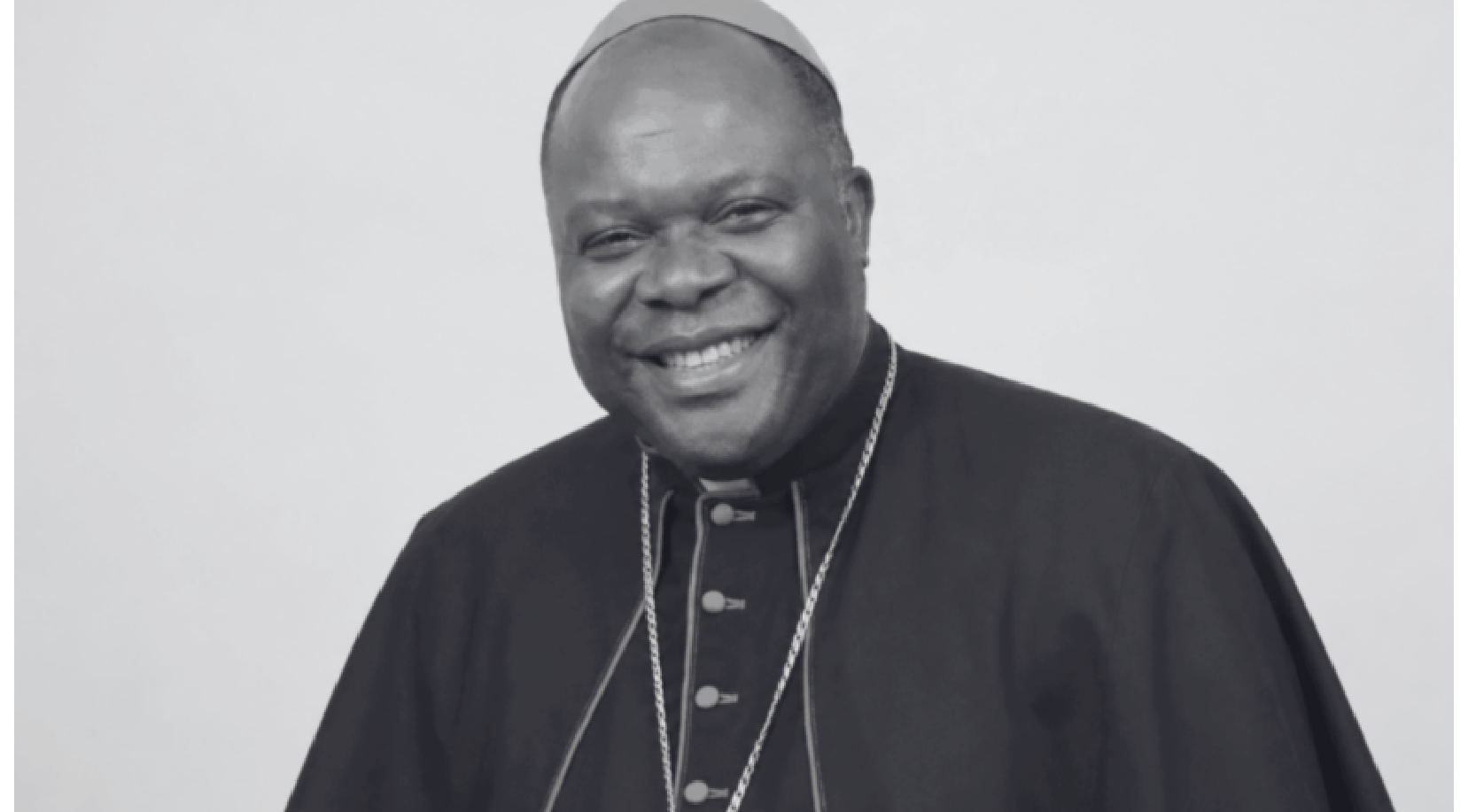
(ZENIT News / Mozambique, 06.10.2026).- The Catholic Church in Mozambique is grappling with grief, unanswered questions, and growing concern after the violent death of Bishop Osório Citora Afonso, whose killing has sent shockwaves through a country already struggling with insecurity and religiously motivated violence.
The 54-year-old bishop of Quelimane was shot dead during the early hours of June 6 after unidentified assailants entered his official residence. According to Mozambican investigators, the attackers opened fire and struck the bishop in the chest. His body was later found inside the residence, and authorities have launched a criminal investigation to determine both the circumstances of the attack and the identity of those responsible.
No arrests have been announced, and officials have so far refrained from drawing conclusions about the motive. Yet the murder has resonated far beyond the Diocese of Quelimane, not only because of the bishop’s position but also because of his increasingly vocal concern about the deteriorating security situation in Mozambique.
Only weeks before his death, Bishop Afonso had publicly warned that violence linked to Islamist insurgents in northern Mozambique continued to devastate local communities. Speaking about the situation in Cabo Delgado Province, he described a population living in fear amid ongoing attacks, destruction, displacement, and loss of life.
His words were particularly direct. He lamented the killing of Christians and urged the Church not to remain silent while entire communities suffered. For many observers, those statements have acquired a haunting significance in light of his subsequent death, even though investigators have not established any connection between his murder and the insurgency.
The tragedy prompted an immediate response from Pope Leo XIV, who expressed sorrow over what the Vatican described as a “grave act of violence.” The Pope assured the faithful of his prayers for the people of Mozambique, asking God to comfort those affected by the tragedy and to “stop the hand of violence.”
The reaction inside Mozambique was equally strong. Archbishop Inácio Saúre, president of the country’s bishops’ conference, appealed for calm, faith, and unity while acknowledging the shock felt throughout the local Church. President Daniel Chapo also issued a message of condolence, describing the bishop’s death as an irreparable loss for both Mozambican society and the Christian community. He praised Afonso’s humility, pastoral dedication, and commitment to reconciliation.
Those who knew the bishop personally remember a man whose ecclesiastical responsibilities expanded rapidly in recent years. A member of the Consolata Missionaries, he was ordained a priest in 2002 and consecrated a bishop in January 2024. Pope Leo XIV appointed him Bishop of Quelimane on July 25, 2025, and only months later, in April 2026, entrusted him with the additional responsibility of serving as Apostolic Administrator of the Archdiocese of Beira.
His ministry, however, extended beyond Mozambique. Between 2017 and 2023, he worked in the Vatican’s Dicastery for Evangelization, serving in the section responsible for missionary territories and newly established local Churches. Even after returning to pastoral ministry in his homeland, he maintained close ties with the dicastery and remained a valued source of information about the realities facing the Church in southern Africa.
Among those most deeply affected by his death are the Consolata Missionaries, the religious congregation to which he belonged. Their Superior General, Father James Bhola Lengarin, described the slain bishop as a simple, approachable missionary who believed deeply in peace, reconciliation, and the goodness of people. He urged fellow missionaries not to allow violence to breed division or despair and insisted that the truth about the killing must emerge fully.
That call for truth has become a recurring theme in the aftermath of the murder. Church leaders have repeatedly emphasized that justice for Bishop Afonso is not merely a legal matter but also a moral obligation toward the faithful he served. The demand is not driven by revenge, but by the conviction that violence cannot become normal in a society seeking peace and stability.
Funeral ceremonies are expected to draw large crowds from across Mozambique. After funeral rites in Quelimane, the bishop’s remains will be transferred to Nampula, the region where he was born, baptized, confirmed, and ordained. There, among the people who witnessed the beginning of his vocation, the Church will bid farewell to a pastor whose ministry ended suddenly and violently.
His death leaves behind many unanswered questions. Yet for Mozambican Catholics, it also leaves a powerful witness: that of a bishop who continued speaking about suffering, injustice, and the plight of vulnerable communities even as his country faced growing instability.
Thank you for reading our content. If you would like to receive ZENIT’s daily e-mail news, you can subscribe for free through this link.

Publicaciones relacionadas:
 Archbishop of Homs, Syria, after last weekend massacre: “We do not want more bloodshed”
 After one month of Nicolás Maduro’s imprisonment, the Venezuelan government restores Cardinal Porras’ passport
 The Grammar of Hate: An Interview with Bishop Rafic Nahra, Auxiliary Bishop of Jerusalem, on the Situation in the Holy Land
 3 seminarians kidnapped and guard killed in assault on minor seminary in Nigeria
