

(ZENIT News / Jerusalem, 06.15.2026).- The Christian presence in the biblical lands of the Middle East is facing renewed trials as violence, military escalation and political instability place some of the region’s oldest communities under increasing strain. From the Palestinian Christian town of Taybeh in the West Bank to the historic cities of southern Lebanon, local Church leaders are warning that entire populations are being pushed into conditions of fear, insecurity and gradual displacement.
Particularly alarming are developments in Taybeh, a town of roughly 1,500 inhabitants located northeast of Jerusalem and east of Ramallah. Known as the last entirely Christian Palestinian town in the West Bank, Taybeh holds special significance for Christians worldwide. Many scholars identify it with the biblical Ephraim, the place mentioned in the Gospel of John where Jesus withdrew with His disciples shortly before His Passion.
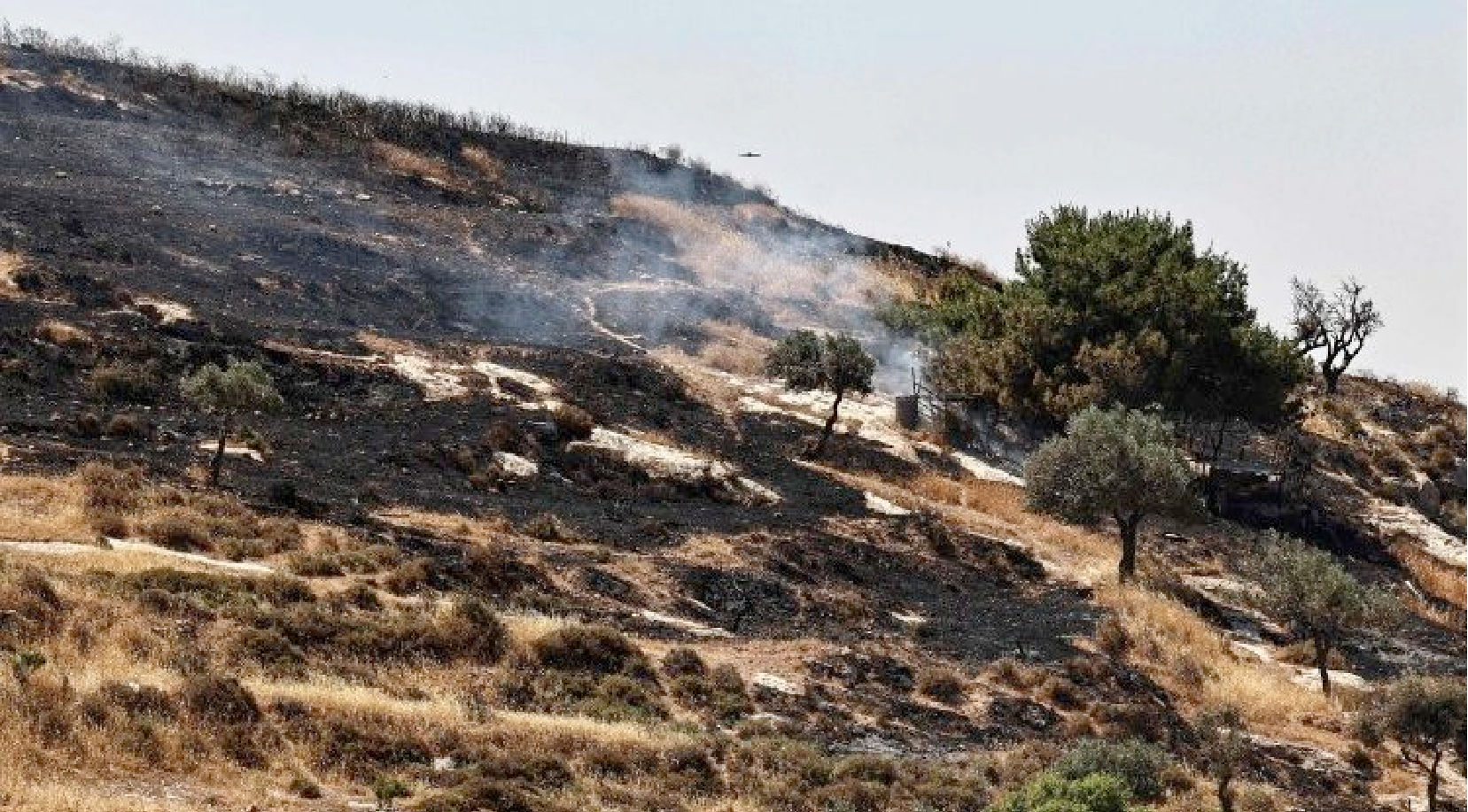
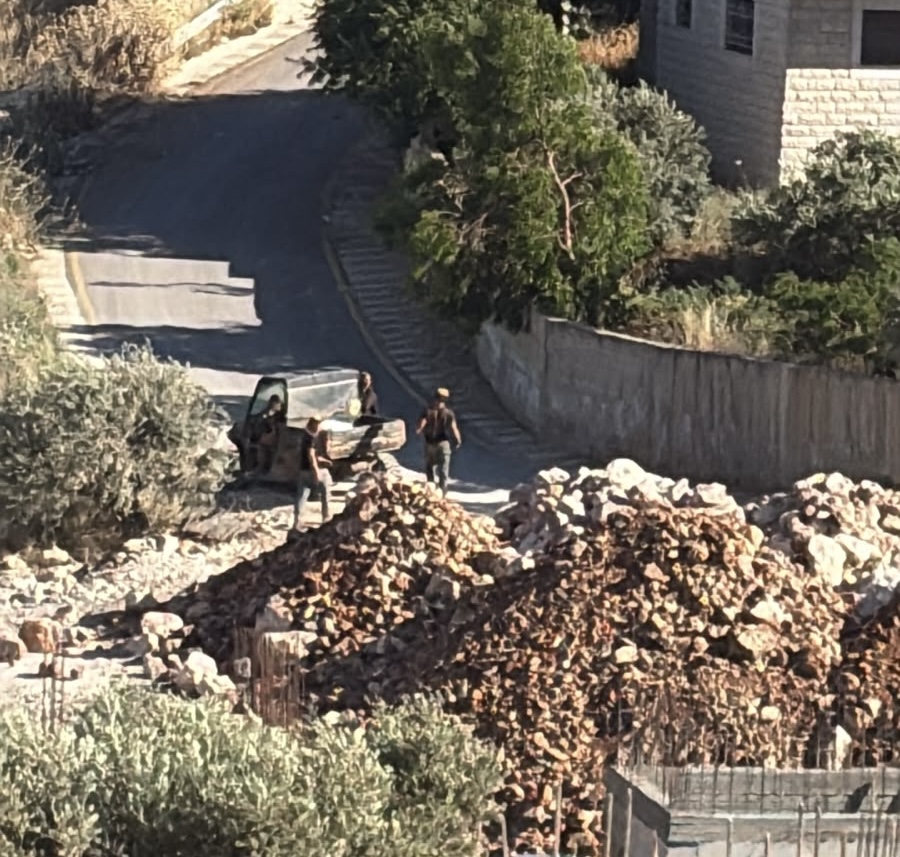
According to parish priest Father Bashar Fawadleh, recent weeks have seen a sharp escalation in attacks attributed to Israeli settlers operating from nearby outposts. Residents report deliberate fires set near agricultural lands, physical assaults on civilians attempting to extinguish the flames, gunfire, theft of personal property and damage to vehicles. Agricultural fields, particularly olive groves that provide income for many local families, have suffered significant destruction.
BREAKING: Israeli settlers are attacking the Christian village of Taybeh right now — setting fields on fire, hurling Molotov cocktails at homes, and attempting to set the village gas station ablaze.https://t.co/QiOAbofNdn pic.twitter.com/gRiVuJX0Rz
— Ihab Hassan (@IhabHassane) June 9, 2026
Yet the latest incidents are only part of a broader pattern. A report prepared by the parish and distributed to diplomatic missions and human-rights organizations documents numerous episodes throughout May and early June, including threats against families, attempts to burn civilian vehicles, incursions into residential neighborhoods and restrictions affecting access to farmland and water resources. Local Christians say these actions are generating a climate of intimidation that increasingly affects daily life, education and economic survival.
Church leaders in the Holy Land have repeatedly expressed concern. Following previous attacks, senior Christian authorities, including Latin Patriarch Cardinal Pierbattista Pizzaballa and Greek Orthodox Patriarch Theophilos III, visited the town in a gesture of solidarity. Local clergy from the Latin Catholic, Greek Orthodox and Melkite communities have warned that continued insecurity risks accelerating the emigration of Christians from a region where their numbers have already declined dramatically over recent decades.
The situation unfolds against the backdrop of broader tensions that have intensified throughout the West Bank since the outbreak of the Gaza war in October 2023. Even several prominent Israeli political and security figures have publicly voiced concern about growing settler violence, describing it as a threat not only to Palestinians but also to Israel’s international standing and democratic institutions.
Meanwhile, across the border in Lebanon, Christian communities are confronting a different but equally troubling reality. Israeli evacuation orders issued for parts of the southern coastal city of Tyre have raised fears among residents, particularly because they include sections of the historic Christian quarter. In response, leaders of the Melkite Greek Catholic, Maronite and Greek Orthodox Churches appealed to regional governments and the international community to prevent further destruction and civilian suffering.
Melkite Archbishop George Iskandar publicly pledged to remain alongside his faithful despite the dangers. His message reflected a conviction shared by many local Christians: that pastoral presence becomes even more essential during times of war. Describing Tyre as a city sanctified by the footsteps of Christ and marked by centuries of Christian witness, he insisted that Church leaders would continue sharing the hardships, anxieties and hopes of the people they serve.
Elsewhere in southern Lebanon, residents of cities such as Marjayoun, Nabatieh and Sidon have endured repeated air strikes and growing insecurity. Clergy report that many families now live under the constant fear of bombardment, while economic life has deteriorated sharply. Schools have struggled to function, transportation has become increasingly dangerous and many households face mounting financial hardship.
Amid these challenges, the Catholic Church has sought to maintain a visible humanitarian presence. A recent aid convoy organized by Apostolic Nuncio Archbishop Paolo Borgia, working with Catholic relief organizations, delivered food, medicine and fuel to isolated Christian villages in the south despite being forced to alter its route because of renewed exchanges of fire. The convoy formed part of a broader effort that has included numerous humanitarian missions since the conflict escalated, providing both material assistance and a tangible reminder that these communities have not been forgotten.
The difficulties facing Christians in the Holy Land and Lebanon unfold within a wider regional and international environment marked by growing polarization. Recent global polling suggests that Israel’s international image has deteriorated significantly in many countries, while confidence in Prime Minister Benjamin Netanyahu has declined across much of the world. At the same time, concerns about regional security continue to deepen, with military confrontations extending beyond Gaza into neighboring territories.
For the Christian communities of Taybeh, Tyre, Sidon and countless other towns across the region, however, geopolitical calculations remain secondary to more immediate concerns: personal safety, economic survival, freedom of worship and the ability to remain on ancestral lands where Christian faith has been lived continuously since the earliest centuries of the Church.
Their appeals are increasingly directed toward governments, international institutions and religious communities worldwide. The message emerging from both the West Bank and Lebanon is remarkably similar: protection of civilians, accountability for violence and a renewed commitment to peace are urgently needed if these historic Christian communities are to endure in the lands where Christianity was born.
Thank you for reading our content. If you would like to receive ZENIT’s daily e-mail news, you can subscribe for free through this link.

Publicaciones relacionadas:
 USA: Transexual Woman Kills Three Children and Three Adults in a Christian School
 The 50 Countries that Persecute Christians the Most Today and The Role of Communism and Islamism
 After 112 vandalized churches, Canada ends funding for research on Catholic school tombs
 Syria: in 14 years, the Christian presence has fallen by 84%: these are the numbers
