

(ZENIT News / Paris, 01.23.2026).- France’s great cathedrals are living through an unexpected renaissance. According to the French Centre for National Monuments (CMN), 2025 marked a historic turning point for religious heritage, with cathedral towers and treasuries drawing unprecedented crowds. For the first time ever, monuments under the CMN’s remit surpassed 12 million visitors in a single year—a symbolic threshold that speaks not only to tourism, but to a deeper cultural and spiritual shift.
The reopening of Notre Dame de Paris after years of reconstruction appears to have acted as a catalyst well beyond the Île de la Cité. Cathedrals such as Reims, Chartres, and Amiens recorded dramatic increases in attendance, confirming what observers are already calling a “Notre Dame effect.” While the CMN only counts sites with paid entry—excluding free-access church interiors—the figures nonetheless reveal a nationwide surge of interest in sacred architecture.
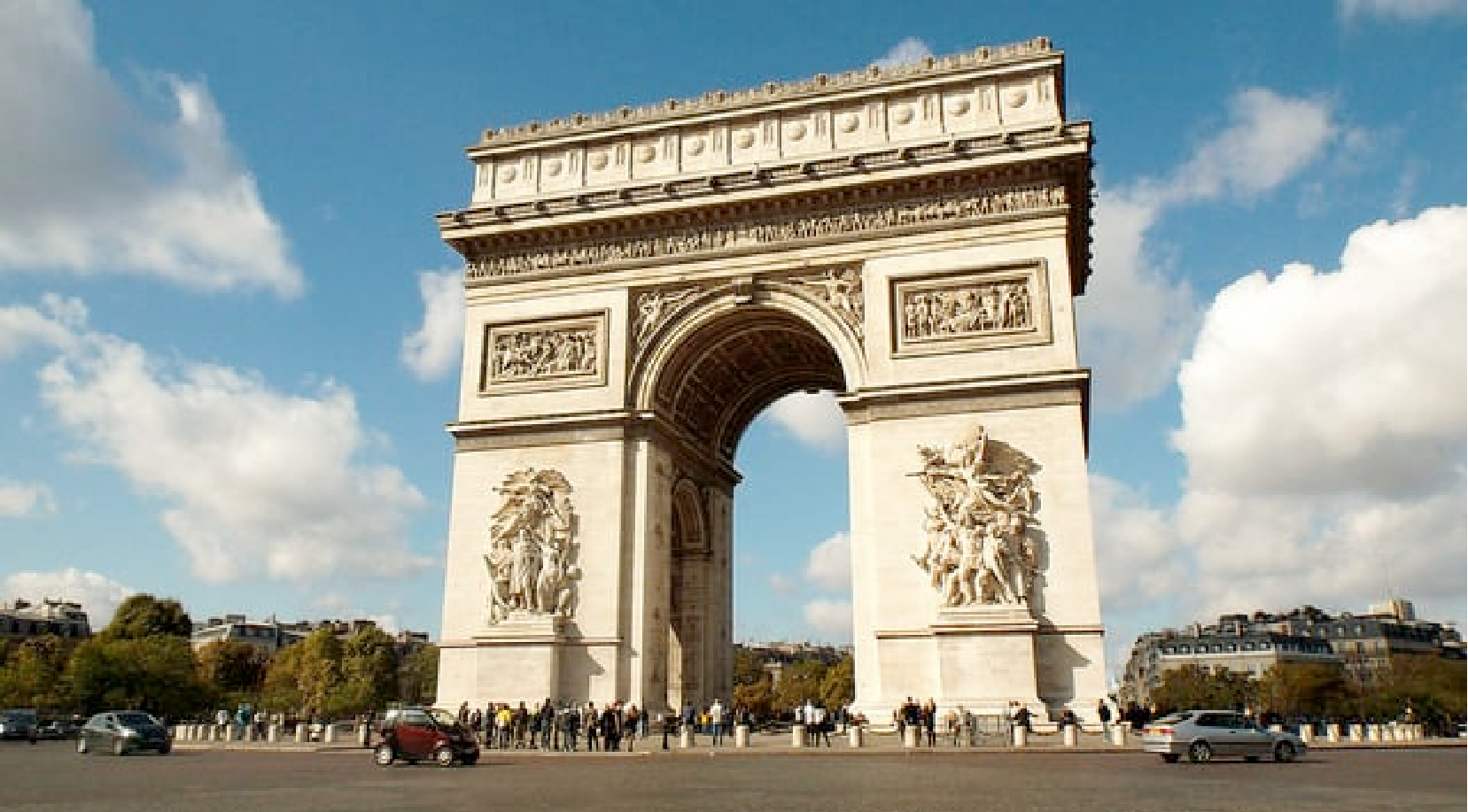
Among France’s most visited monuments, the Arc de Triomphe topped the list with 1.85 million visitors in 2025, followed by Mont-Saint-Michel at 1.63 million and the Sainte-Chapelle at 1.33 million. Yet the most striking growth occurred in religious monuments that, until recently, attracted a more modest public. Abbeys, basilicas, and cathedrals across the country posted record numbers, signaling a renewed attachment to France’s Christian patrimony.
The increases in some cathedrals were particularly striking. At Amiens Cathedral, visitor numbers rose by an extraordinary 95 percent, reaching 26,564. Chartres welcomed 24,511 visitors, a 74 percent increase, while the towers of Reims Cathedral saw a 43 percent rise, drawing 16,262 people. These are not marginal gains but structural shifts in public engagement.
How can this sudden enthusiasm be explained? Matthieu Lours, a historian of religious architecture, points directly to the fire that devastated Notre Dame more than five years ago. That trauma, he argues, reshaped public awareness. The blaze revealed the fragility of heritage once taken for granted and awakened a collective emotional bond. Cathedrals, he suggests, are no longer seen merely as relics of the past but as spaces of reassurance, identity, and shared pride.
This renewed attention has had unexpected consequences. Lours notes a growing interest among university students in traditional crafts long considered obsolete, such as stonemasonry and carpentry. These trades—essential to the restoration of monuments like Notre Dame—are now attracting a new generation, drawn by the tangible connection between manual skill, history, and meaning. At every level, he insists, monuments matter, not only as buildings but as environments of freedom and cultural continuity. Open churches, he adds, remain among the few public spaces where silence, beauty, and historical depth coexist without barriers.
Beyond cultural fascination, something more elusive is also taking place. Monsignor Olivier Ribadeau-Dumas, rector of Notre Dame de Paris, describes the cathedral’s 11 million visitors recorded by late November as evidence of its restored vocation as a “universal place of welcome.” For him, the crowds are not simply tourists. Many arrive curious and leave changed. He speaks of daily spiritual fruits: visitors returning after leaving, requesting confession after decades away from the sacrament, or lingering quietly in prayer.
This dimension is often overlooked in statistical analyses. Cathedrals, in Catholic theology, are not museums with altars but living churches whose primary purpose is sacramental and pastoral. The current surge in attendance suggests that beauty and transcendence still exert a powerful pull in an increasingly secular society. People come to admire stone and glass, but some remain to encounter silence, memory, and grace.
France’s cathedral revival in 2025 is therefore not just a success story for heritage management. It reveals a country rediscovering, through fire and restoration, that its sacred architecture continues to speak—emotionally, culturally, and spiritually—to millions.
Thank you for reading our content. If you would like to receive ZENIT’s daily e-mail news, you can subscribe for free through this link.

Publicaciones relacionadas:
 The Apostolic Exarchate in Germany and Scandinavia switches to the Gregorian calendar
 USA: study reveals what men who will be ordained priests in 2023 look like
 Ash Wednesday Collection for the Church in Central and Eastern Europe Continues 35 Year History of Restoration and Healing
 Germany: Catholic excluded for the first time because of his political views
