


(ZENIT News / Edinburgh, 03.18.2026).- In a decisive vote on March 17, the Scottish Parliament rejected a bill that would have legalized euthanasia and assisted suicide, affirming the intrinsic value of human life by a margin of 69 to 57, with one abstention. The legislation, formally known as the “Assisted Dying for Adults with Terminal Illness Bill,” had been under debate for more than two years and represented one of the most scrutinized and controversial social policy proposals in recent Scottish history.
The bill, introduced by Liberal Democrat MSP Liam McArthur, would have allowed medically assisted deaths for adults diagnosed as terminally ill, contingent on the approval of two healthcare professionals. Had it passed, Scotland would have become the first part of the United Kingdom to permit assisted suicide, potentially setting a precedent for future legislation in Westminster and Wales.
The vote reflects widespread concern over the potential risks associated with legalized euthanasia, including coercion of vulnerable populations, gaps in oversight, and the erosion of conscience protections for healthcare providers. In fact, 12 lawmakers who had supported the bill in May 2025 reversed their stance, citing these risks as decisive. Public opposition was mirrored by major professional bodies such as the Royal Pharmaceutical Society of Scotland, the Royal College of Psychiatrists, the Palliative Care Association, and several social work and disability advocacy organizations.
Bishop John Keenan, president of the Bishops’ Conference of Scotland, praised the vote as a protection for those most vulnerable, including the elderly, persons with disabilities, individuals with mental health challenges, and survivors of domestic violence. “The members of the Scottish Parliament can have confidence that they acted rightly and responsibly,” he stated, underscoring that true compassion lies not in ending life, but in providing medical, emotional, and spiritual support for those who suffer.
Public sentiment also played a role. Surveys commissioned by advocacy groups revealed deep unease among Scots about the potential for abuse. One poll found that 70 percent feared victims of domestic violence could feel pressured into assisted suicide, and only one in five supported legislation allowing patients with eating disorders to seek assisted death. Another survey showed that 69 percent of adults believed access to healthcare and disability support should be prioritized before any euthanasia legislation, rising to 72 percent among respondents with disabilities.
The debate attracted contributions from across the political spectrum. Leaders from the Scottish National Party, Labour, and the Conservative Party, including First Minister John Swinney, Labour leader Anas Sarwar, and other prominent figures such as Kate Forbes and former First Ministers Nicola Sturgeon and Humza Yousaf, opposed the measure. Even some proponents of liberal social policy emphasized the need to strengthen palliative care and safeguards for vulnerable groups before considering such a drastic legal change.
Among those speaking against the bill was MSP Ruth Maguire, herself living with cervical cancer, who described the idea of being offered assisted suicide as “chilling” and reaffirmed her commitment to the dignity of life. The vote also drew attention to practical implications, including the risk of forcing Catholic hospices and care homes to close if required to participate, which could have undermined an already fragile palliative care system.
The bill’s defeat is expected to influence similar legislative efforts in the UK, particularly the Assisted Dying Bill currently under consideration in Westminster. Scotland’s decision, together with recent votes in Wales, illustrates the complex constitutional and social considerations surrounding euthanasia, especially in a highly secularized society.
With assisted suicide legislation now firmly rejected for the foreseeable future, the focus of Scottish policymakers is shifting to enhancing palliative care. Advocates and professional bodies alike emphasize the need for adequate funding, training, and access to end-of-life care that supports dignity without resorting to hastening death.
Thank you for reading our content. If you would like to receive ZENIT’s daily e-mail news, you can subscribe for free through this link.

Publicaciones relacionadas:
 6 countries with Catholic majorities among those affected by Trump’s new immigration measures
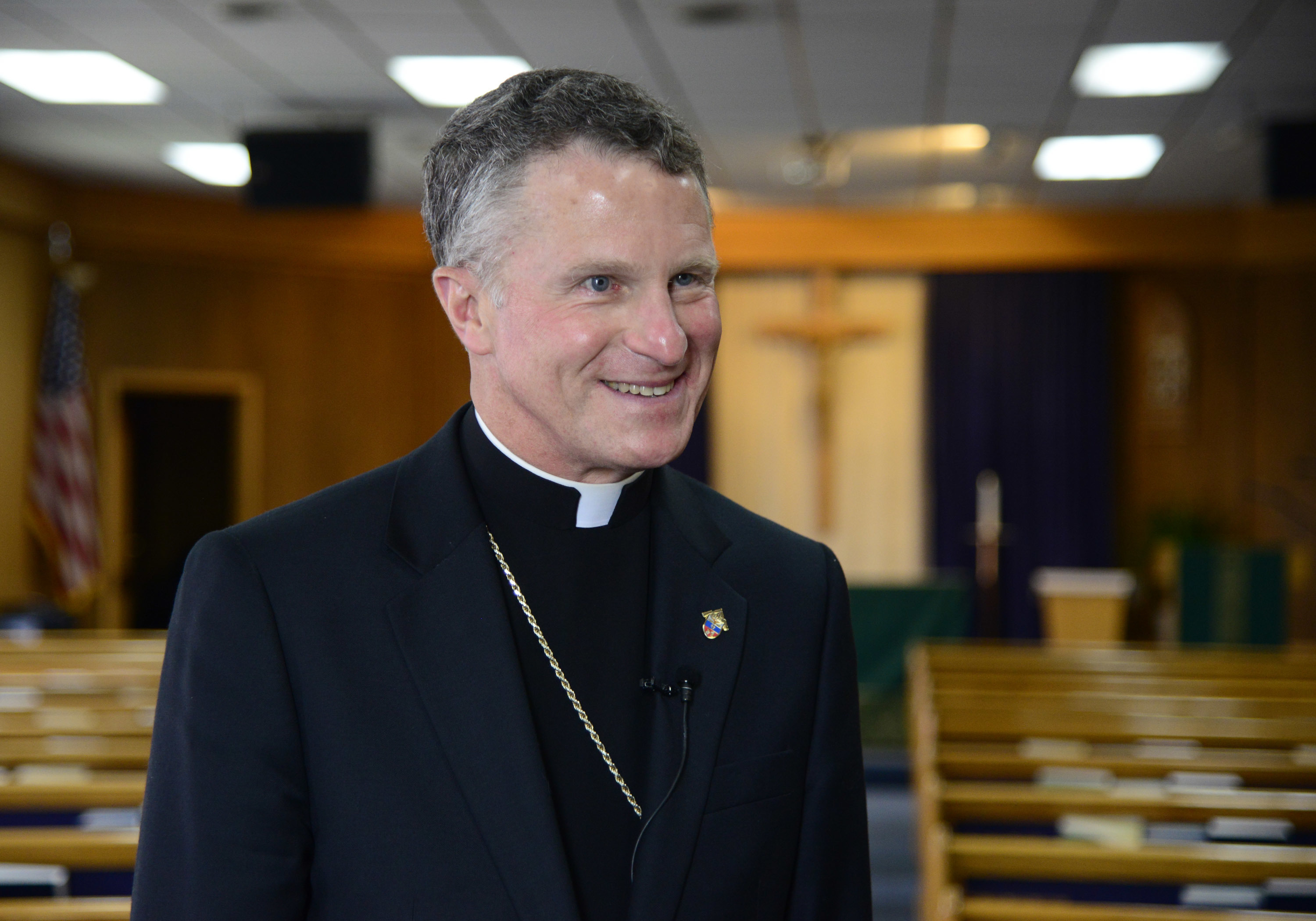 Leader of all U.S. bishops to migrants: “Count on our commitment to accompany you in these difficult times”
 Parliamentarians from around the world gather in Rome to discuss interfaith dialogue
 Food as a weapon of war: Caritas Denounces Weaponization of Food on Gaza
