

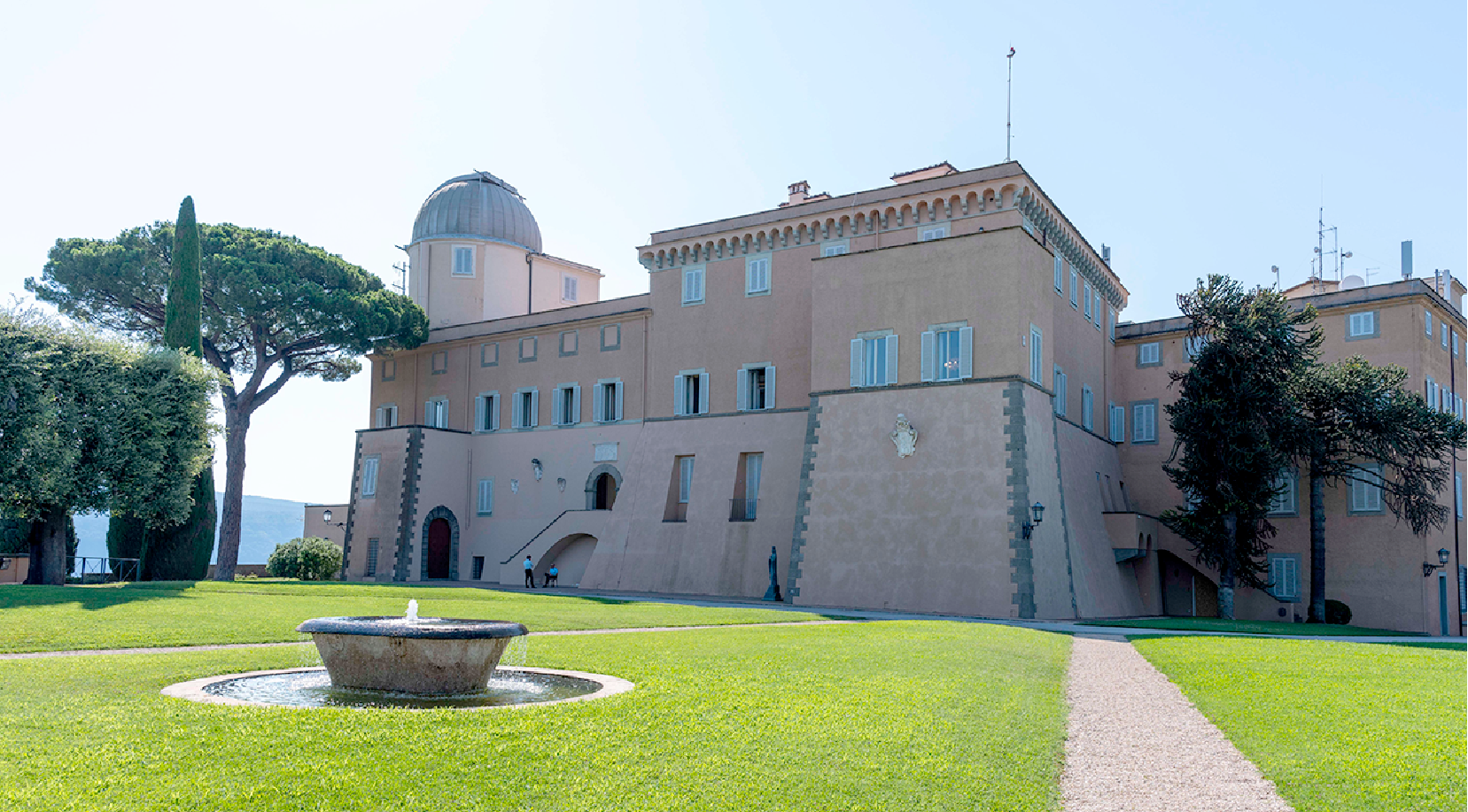
(ZENIT News / Rome, 04.18.2026).- The Apostolic Palace of Castel Gandolfo, transformed into a museum less than a decade ago, appears set to return to its original function as a papal residence, marking a significant recalibration in the style of Pope Leo XIV’s pontificate.
The indication comes not from an official communiqué, but from a practical detail: tickets to visit the former summer residence are available only until June 30, 2026. Beyond that date, the calendar goes blank. No entries for July, August, or the months that follow—precisely the period when tourism in the Rome area reaches its peak. In a city where access is rarely reduced during high season without reason, the absence has raised questions.
According to sources cited by Rome Reports, the explanation lies in a planned transition. Beginning in the summer of 2026, Pope Leo XIV is expected to move into Castel Gandolfo, restoring its centuries-old role as the seasonal residence of the Bishop of Rome. Preliminary works are reportedly scheduled to begin in May, though these are described as modest adaptations rather than a full-scale renovation.
The decision would effectively reverse one of the more emblematic gestures of his predecessor, Pope Francis, who in 2016 opened the palace to the public for the first time in its history. That move allowed visitors to enter spaces previously reserved for the pontiff, including the private chapel, bedroom, and study—areas that had long embodied the seclusion of papal life. By converting the residence into a museum, Francis signaled a desire to demystify the papacy and to emphasize accessibility over tradition.
Leo XIV does not appear to be dismantling that vision outright, but rather rebalancing it. Since his election, he has maintained a weekly presence in Castel Gandolfo, using it as a place of rest. However, he has not resided in the historic palace itself, but in Villa Barberini, a nearby property that has served as a more informal retreat. That arrangement has exposed practical limitations. Unlike the Apostolic Palace, Villa Barberini lacks the infrastructure required for a head of state: it is located along a public road, with open access and limited security controls.
Each week, as the Pope arrives or departs, hundreds of people gather at close range, often without the layered security protocols. While no serious incidents have been reported, the situation has underscored the vulnerability inherent in using a site not designed for the demands of modern papal security.
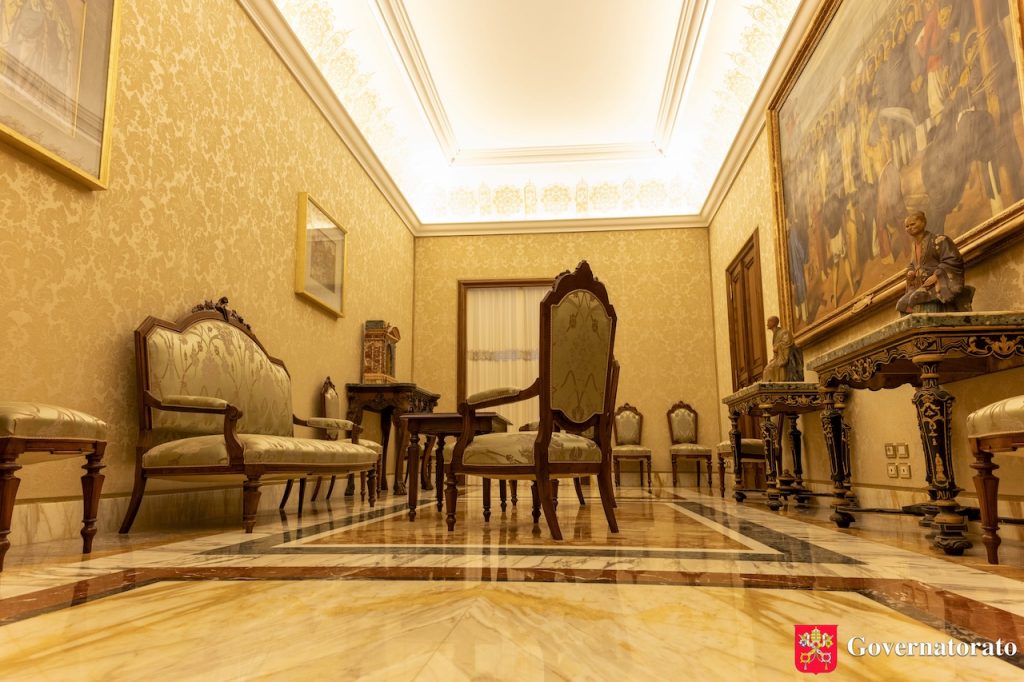
The Apostolic Palace, by contrast, was conceived precisely for that purpose. Built in the early eighteenth century, it functioned for generations as a summer refuge where popes could withdraw from the heat and intensity of Rome while continuing their work. The complex includes extensive gardens, private chapels, and residential quarters that combine seclusion with operational efficiency.
Its history is closely intertwined with the rhythms of twentieth-century papacies. Pope John Paul II famously referred to it as a “second Vatican,” using the residence not only for rest but also for writing and reflection. He also commissioned the construction of a swimming pool, adding a personal dimension to the estate. Pope Benedict XVI continued the tradition, spending extended periods there, often seen working in his study or walking through the gardens.
The palace has also been the setting for moments of profound historical significance. Two pontiffs died within its walls: Pope Pius XII in October 1958 and Pope Paul VI twenty years later, in August 1978.
For Leo XIV, the possible return to Castel Gandolfo seems to carry both practical and symbolic motivations. On a personal level, he has spoken openly about the importance of rest, describing his time there as an opportunity to engage in physical activity such as tennis and swimming, as well as spiritual renewal. His remarks suggest a conception of papal life that includes structured pauses—moments of withdrawal that sustain the demands of global leadership.
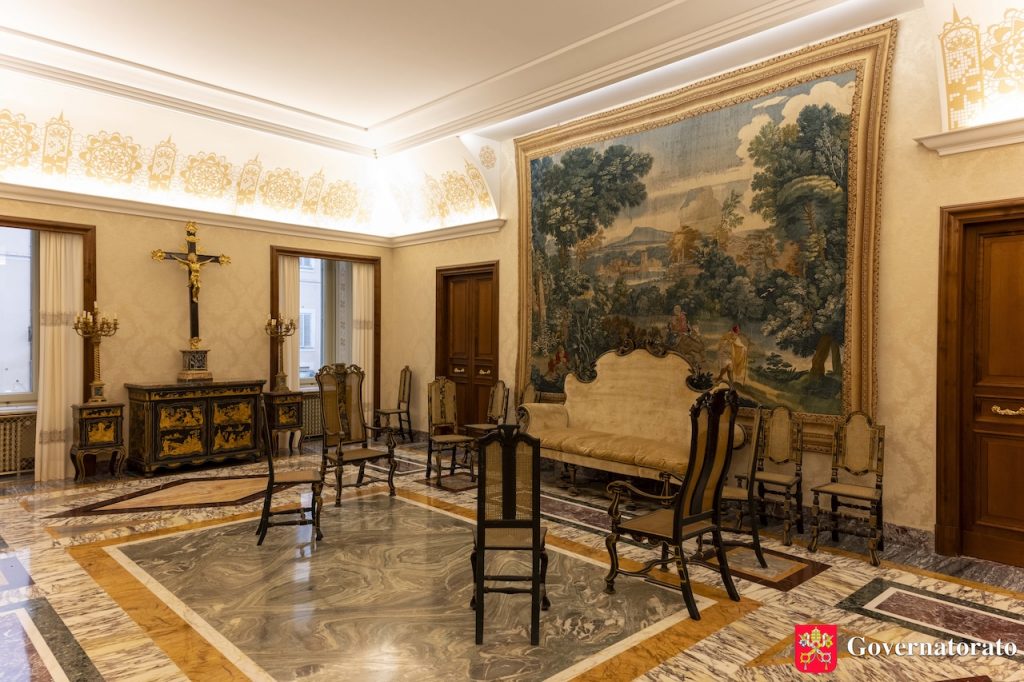
At the same time, the decision reflects an awareness of the institutional needs of the papacy. The move from a publicly accessible villa to a secured, purpose-built residence aligns with the dual identity of the Pope as both spiritual leader and head of state. In this sense, the reopening of Castel Gandolfo as a residence does not simply revive a tradition; it reasserts a functional logic that had been temporarily set aside.
If confirmed, Leo XIV would become the sixteenth pope to spend the summer months in Castel Gandolfo, reestablishing a practice that dates back more than three centuries. Yet the significance of the move lies less in its numerical place in history than in what it reveals about the current pontificate: a willingness to engage selectively with tradition, neither abandoning recent reforms nor fully embracing them without adaptation.
Thank you for reading our content. If you would like to receive ZENIT’s daily e-mail news, you can subscribe for free through this link.

Publicaciones relacionadas:
 How does Easter spirituality nourish fraternity? Pope Leo XIV answers
 Three Dimensions for a Pontifical University to Face Contemporary Challenges, According to Pope Leo XIV
 Some reflections from Pope Leo XIV on fostering the growth and maturation of a synodal spirit in the Church
 Caritas Internationalis, the charitable arm of the Church, in audience with Pope Leo XIV
