(ZENIT News / Germany, 09.24.2026).- The Recollectio-Haus, a retreat centre for priests and religious struggling with exhaustion or personal crises, was founded to help clergy recover their physical, psychological and spiritual strength. Now, a case dating back to the 1990s has placed the Bavarian centre under scrutiny, raising a difficult question for the German Catholic Church: how did a place of healing respond when the person seeking help had sexually abused a minor?
The case resurfaced after the independent commission investigating abuse in the Archdiocese of Paderborn published its fourth annual report. According to the report and earlier historical research, a Paderborn priest sexually abused a 16-year-old during a Church activity in 1990. He admitted the acts in criminal proceedings and received a penal order. After the family reported the abuse, the diocese sent him to the Recollectio-Haus, at Münsterschwarzach Abbey, for an extended stay.
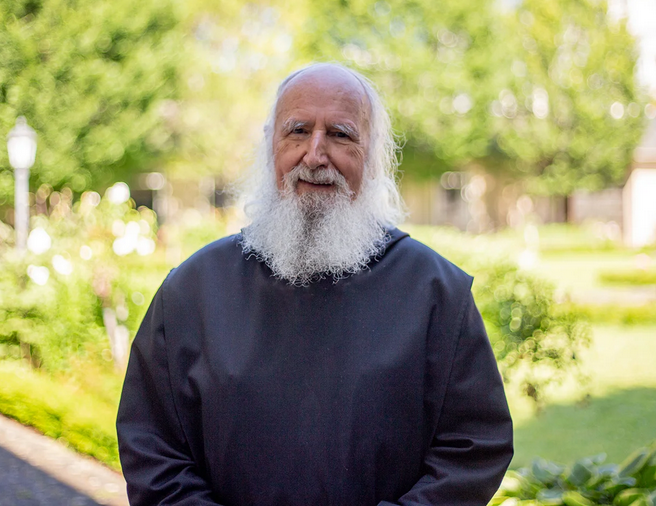
Records indicate that in June 1992, the centre’s founder, Benedictine Father Anselm Grün, discussed the priest’s situation with him and a Paderborn personnel official. Grün reportedly said the priest was not homosexual and appeared open to his return to pastoral work, including the possibility of a transfer to the Diocese of Würzburg. The priest subsequently served there from 1992 to 2009 and later in Erfurt.
Grün initially said he could not recall the case and that he did not make such recommendations. The abbey later clarified that he had been open to a new pastoral appointment, while maintaining that the proposal originated with Paderborn and that the dioceses were responsible for arranging the transfer. In a statement issued on September 9, the Recollectio-Haus also said the priest had considered entering the monastery, but that the idea did not proceed after his stay.
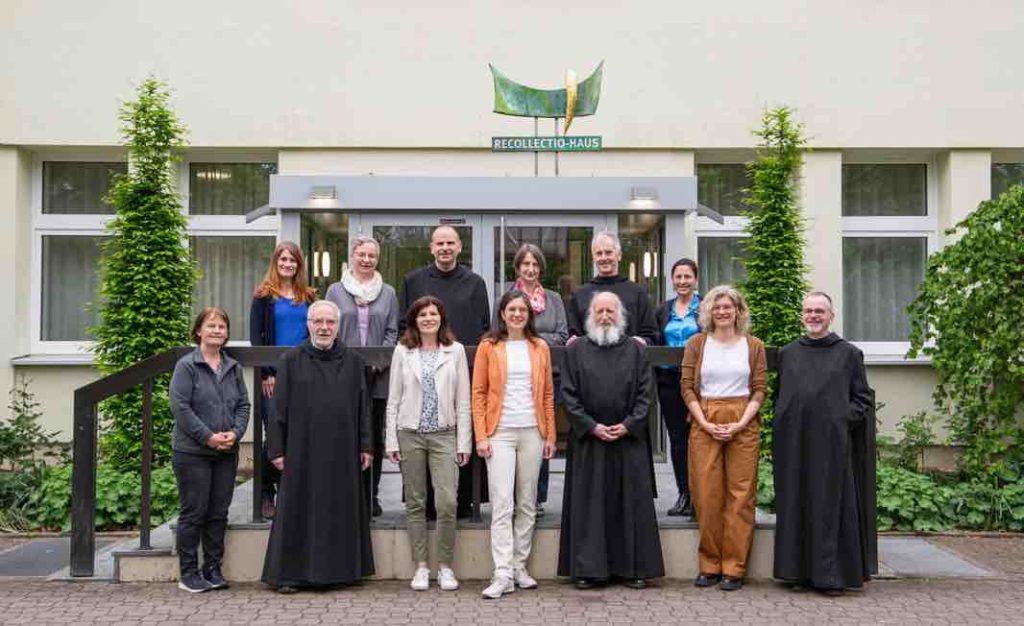
The centre’s history is now part of the inquiry. In its early years, it did accept some people considered sexual abusers. The abbey says that changed after the abuse scandal at Berlin’s Canisius-Kolleg became public in 2010, prompting widespread disclosures and a major reassessment of Church safeguarding practices in Germany. Since then, it says, the centre has not admitted anyone with a history of sexual abuse.
That policy is central to the account given by current director Corinna Paeth, a clinical psychologist who has worked at the house since 2016. She told katholisch.de that excluding abusers is necessary to protect other participants, some of whom may themselves be survivors and could be retraumatized by sharing a therapeutic setting with a perpetrator. The centre’s purpose, she stressed, is support and recovery—not treatment for people who have committed sexual abuse.
Paeth described a system that combines individual interviews with observation in group therapy and daily life. The team—spiritual advisers, psychologists and creative therapists—reviews cases weekly, while psychologists also undertake external supervision, peer consultation and continuing professional training. The centre does not take patients with certain needs it cannot safely manage, including severe depression with suicide risk, active addiction, schizophrenia-spectrum disorders or pedophilia.
If a suspicion of abuse arises during an initial interview, staff try to maintain contact and encourage the person to report it to police, while referring the case to appropriate services. If abuse is disclosed during a stay, the centre ends the program and seeks permission to lift professional confidentiality so it can contact the relevant diocesan personnel official. The aim is to prevent the priest from being assigned to pastoral duties again. If consent is withheld and there is no immediate danger to others, staff say they cannot notify the police or diocese—but the treatment does not continue.
The question of accountability for the earlier period remains unresolved. The German bishops’ conference’s victims’ advisory council has called for an independent investigation into whether the centre helped other accused or convicted clergy return to ministry. The abbey says it is willing to cooperate, but argues that older records have been destroyed under legal retention rules, which it puts at around ten years. The years most relevant to the request are therefore also those for which documentation may no longer exist.
The dispute illustrates the distance between the centre’s original mission and today’s safeguarding expectations. Paeth says the house now offers dioceses recommendations about a cleric’s recovery only with the individual’s consent; the decision about whether he may return to ministry belongs to the diocese, not the therapists. She also notes that homosexuality has not been classified as a disorder since 1991 and is not used as a criterion in such recommendations. Issues of power, emotional manipulation and spiritual abuse, by contrast, may arise in therapy, often from the perspective of those who have suffered them.
For Grün, a bestselling author whose spiritual -unorthodox to some- writings have reached millions, the renewed attention is a reputational test as well as an institutional one. The abbey describes him as having been open to a pastoral appointment in the 1992 case, while the director says it is possible that a patient at the time did not disclose the full truth. Neither point settles the broader question now being asked by survivors: whether the centre’s former practices, and the decisions made by dioceses, can be independently reconstructed and assessed.
Thank you for reading our content. If you would like to receive ZENIT’s daily e-mail news, you can subscribe for free through this link.