

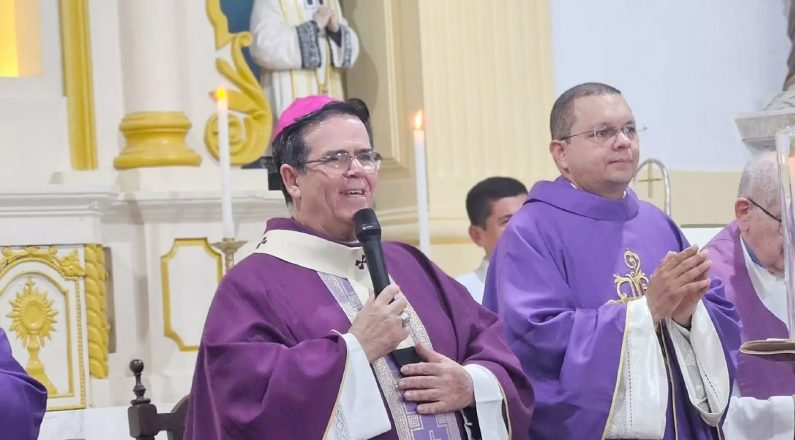
(ZENIT News / Maceió, 02.28.2026).- A short disciplinary note issued in northeastern Brazil has triggered an unusually intense debate about the boundaries between liturgical regulation, ecclesial communion and the Church’s most severe canonical penalties. At stake is not only where a particular form of the Roman liturgy may be celebrated, but whether participation in an unauthorized Mass can legitimately be framed as an act of public schism carrying automatic excommunication.
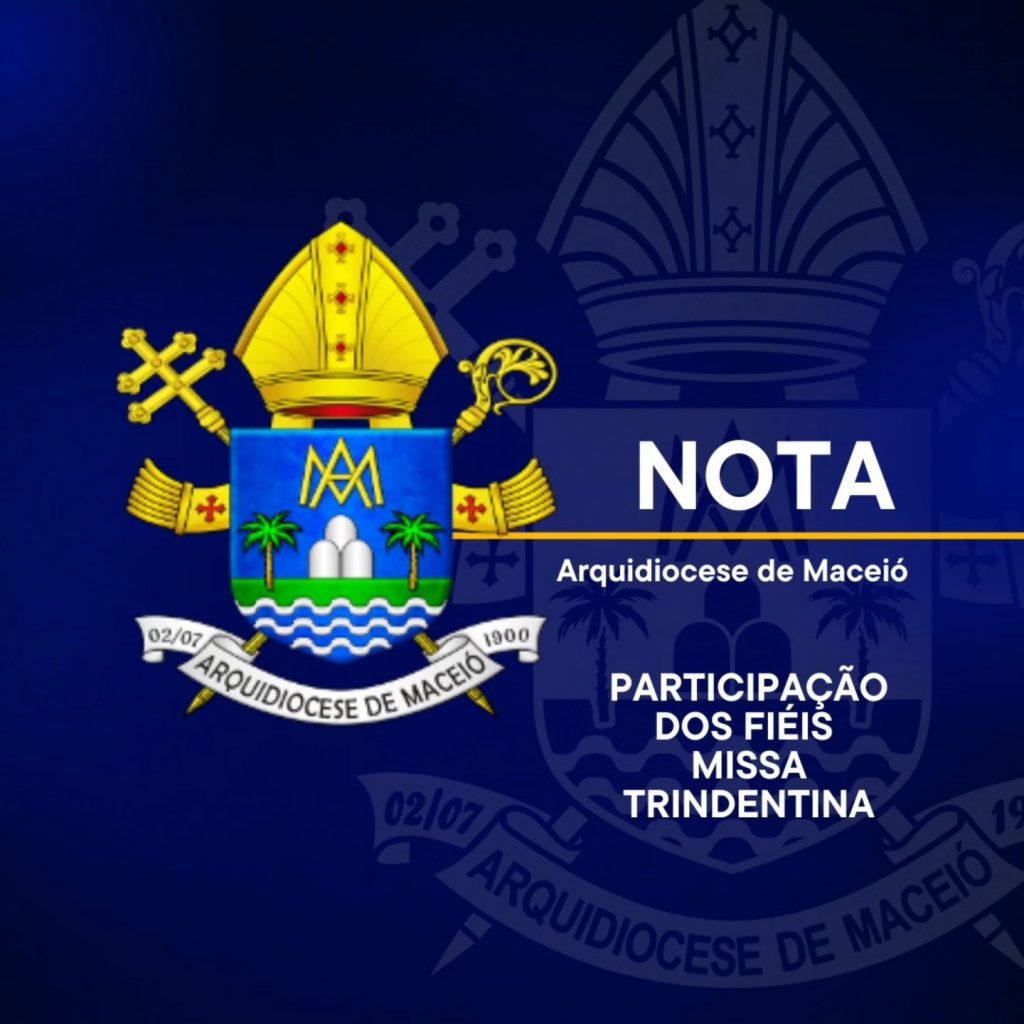
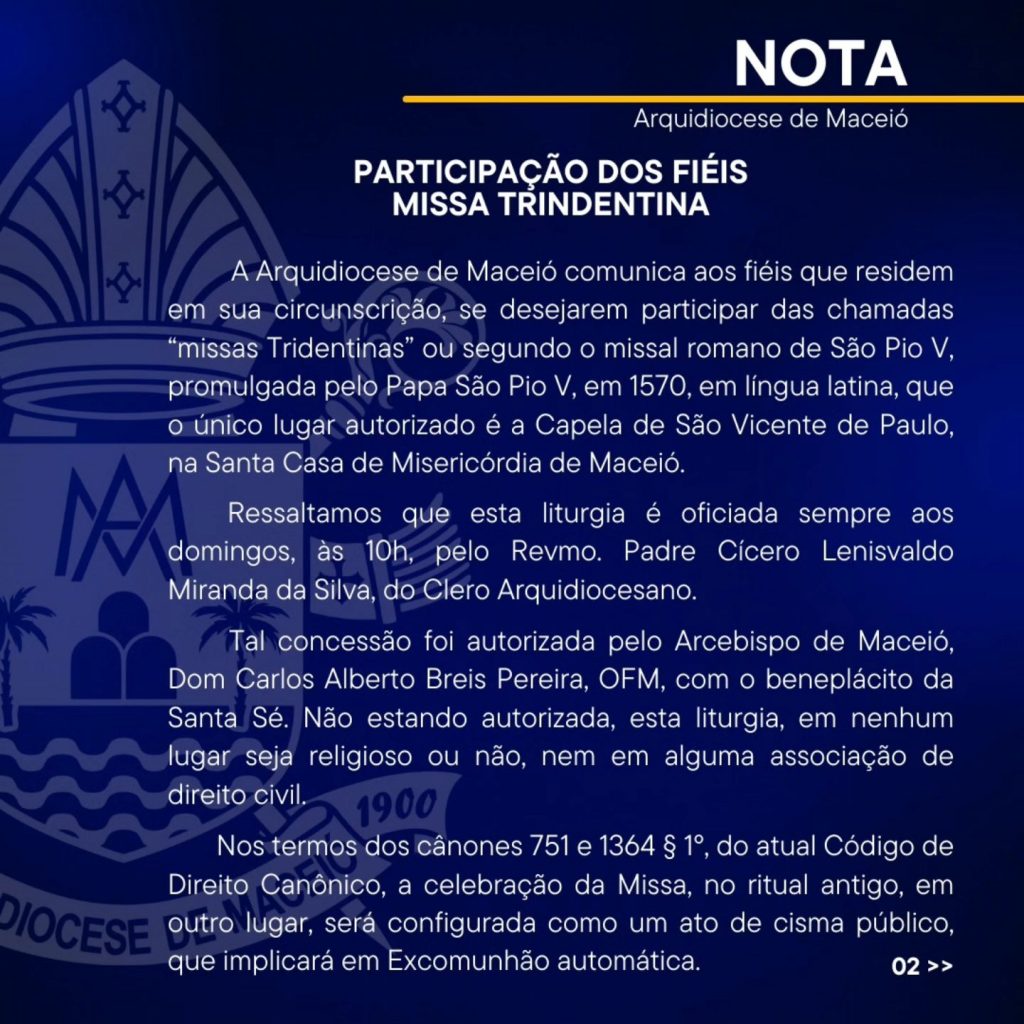
On February 11, the Archdiocese of Maceió announced that the celebration of the traditional Latin Mass according to the Missal of St. Pius V would be permitted exclusively in a single location: the São Vicente de Paulo Chapel, and only once a week. Any celebration of that rite elsewhere — whether in another church, a private venue or even within a civil association — would, the note warned, constitute a “public act of schism” and would entail excommunication latae sententiae, that is, incurred automatically by the very fact of the offense.
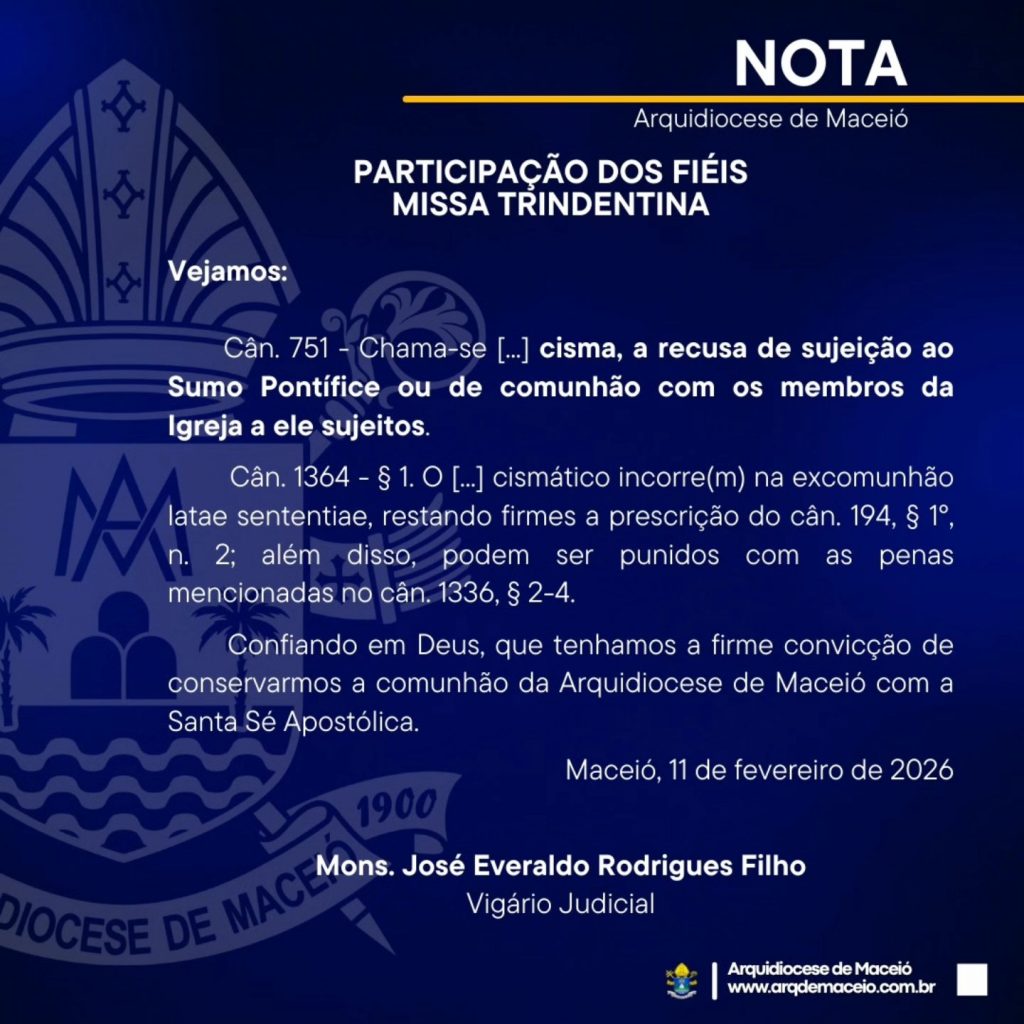
The document, authorized by Archbishop Carlos Alberto Breis Pereira, explicitly cites canons 751 and 1364 §1 of the Code of Canon Law. It also states that the limited permission for the ancient rite had been granted with the approval of the Holy See, reinforcing the idea that no parallel authorization exists beyond the designated chapel. The note was signed by the archdiocese’s judicial vicar, José Everaldo Rodrigues Filho, and, strikingly, appears to have been disseminated only through the archdiocese’s official Facebook channel, rather than its website or an official diocesan bulletin.
More than a liturgical dispute
Restrictions on the celebration of the pre–Vatican II liturgy are not new in the post–Traditionis custodes landscape. What has set Maceió apart is the language chosen to enforce those restrictions. To label attendance at an unauthorized Mass as schism is not a rhetorical flourish. In canonical terms, schism belongs to the narrowest and gravest category of ecclesial crimes, alongside heresy and apostasy, precisely because it denotes a rupture of communion at the level of the Church’s visible unity.
Canon 751 defines schism as the refusal of submission to the Roman Pontiff or of communion with those subject to him. It does not describe a preference for a liturgical form, nor even disobedience in a specific disciplinary matter. For that reason, canon 1364 §1, which attaches automatic excommunication to schism, has traditionally been interpreted with great restraint. In canonical penal law, penalties are subject to strict interpretation; their scope cannot be expanded by analogy or pastoral anxiety.
This is where critics argue the Maceió note crosses a conceptual threshold. An act may be illicit without being schismatic; disobedience, even grave disobedience, does not in itself amount to a rejection of papal authority or ecclesial communion. To qualify as schism, the conduct must, by its nature or by the demonstrable intention of the person involved, signify a withdrawal from communion with the Pope or the Church. Without that intention, the juridical category collapses into something far broader than the law envisages.
Beyond technicalities, the pastoral consequences are immediate. Excommunication is not an ordinary disciplinary tool; it is the Church’s most severe medicinal penalty, intended for situations in which communion has already been gravely fractured. When invoked expansively in a contested liturgical context, it risks generating fear, confusion of conscience and public scandal. The faithful are left to wonder whether they may have placed themselves outside the Church by attending a Mass whose irregularity they may not even fully grasp.
A question for Rome
For many observers, the episode raises a broader question that extends beyond one Brazilian archdiocese. If attending the traditional Latin Mass outside an authorized venue can be defined per se as schism, the implications for canonical security are profound. The distinction between discipline and penal rupture would be blurred, and the concept of schism itself would be emptied of its precise juridical meaning.
In that light, some canonists argue that the Holy See, as guarantor of unity and of the correct application of universal law, should clarify the reach of such disciplinary communications. Without clear limits, the risk is not merely a local controversy but the normalization of a pattern in which maximal penalties are threatened without the strict configuration of the crime the law requires.
Thank you for reading our content. If you would like to receive ZENIT’s daily e-mail news, you can subscribe for free through this link.

Publicaciones relacionadas:
 Israel Has Fewer Women in Parliament, But More Women Workers Among the Ultra-Orthodox
 USA: Bishop Chairmen Call on Lawmakers to Protect Children Online
 3 things a Catholic looks for in a parish (and that the pastor and the community should know)
 Capuchin Franciscan friar marries transgender couple in Argentina; bishop announces sanctions
