

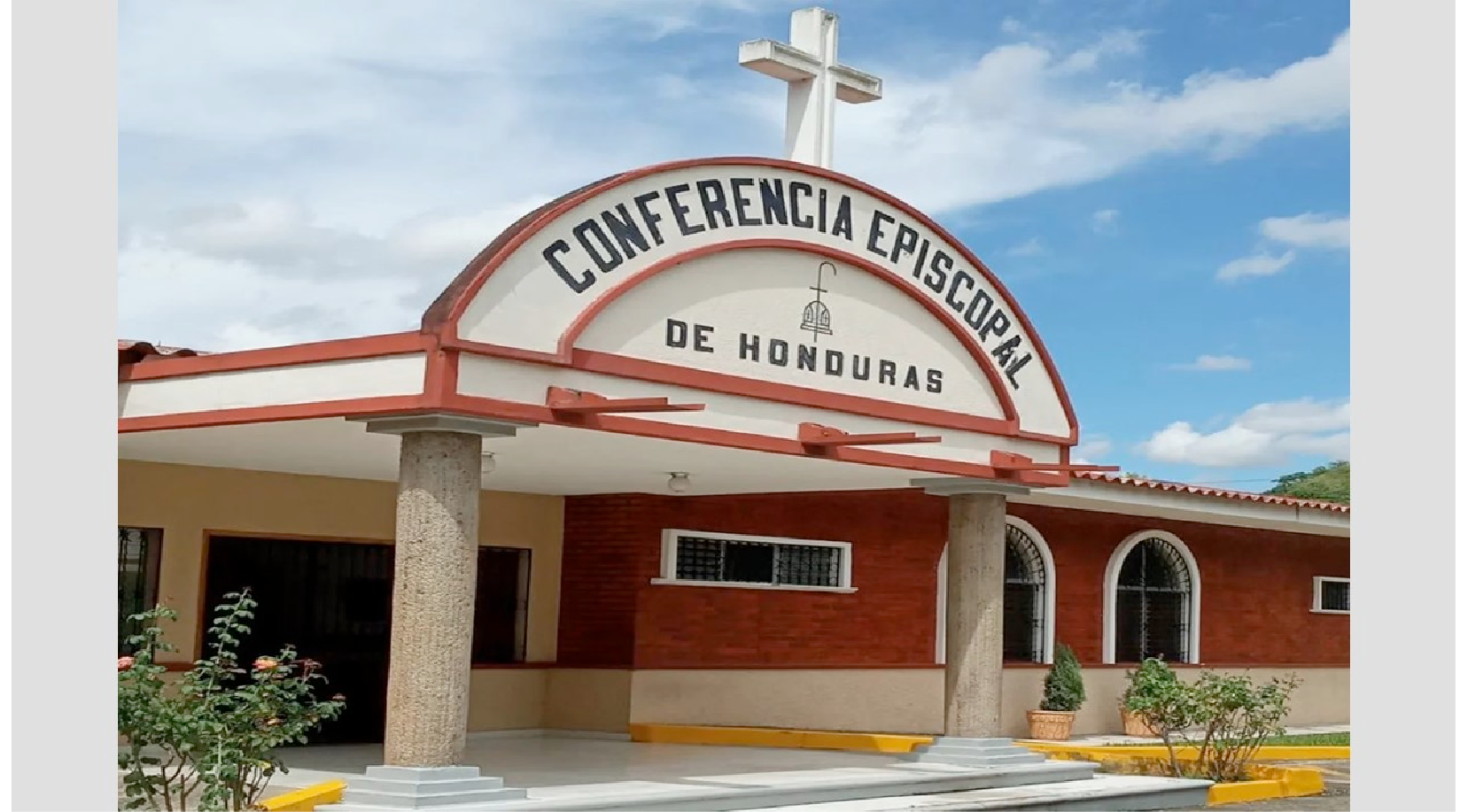
(ZENIT News / Tegucigalpa, 04.20.2026).- A new and increasingly sophisticated form of fraud is spreading across Latin America, one that exploits not financial systems or corporate identities, but trust itself. In Honduras, the Catholic bishops have sounded a clear alarm: criminals are impersonating bishops and priests on social media and digital platforms, using their images—and in some cases even their voices—to promote products and services that do not exist.
The warning, issued by the Honduran Episcopal Conference on 11 April, leaves no room for ambiguity. No Catholic bishop or priest in the country is engaged in selling medicines, furniture, or any commercial goods online. Any such message, video, or advertisement circulating under clerical identity is fraudulent. The phenomenon, described by the bishops as “identity usurpation for illicit purposes,” has already been reported to the authorities.
What makes this wave of scams particularly concerning is not only its scale, but its method. It capitalizes on the moral credibility traditionally associated with the clergy. In societies where the Church remains a point of reference for millions, the figure of a bishop or priest carries an implicit guarantee of seriousness and goodwill. By appropriating that image, fraudsters effectively weaponize trust, transforming it into a tool of deception.
The Honduran case is not isolated. Similar incidents have been documented in Mexico, where artificial intelligence has been used to clone the voice of Cardinal Carlos Aguiar Retes, the Archbishop of Mexico City, to promote supposed medical products. Other well-known priests, including Ángel Espinosa de los Monteros and José de Jesús Aguilar, have also seen their identities manipulated for commercial scams. In Panama, comparable abuses have targeted Archbishop José Domingo Ulloa Mendieta and Father Teófilo Rodríguez.
The technological dimension marks a significant escalation. Whereas traditional scams relied on crude impersonation, the integration of AI-generated audio and video creates a far more convincing illusion. A familiar voice, a recognizable face, and a carefully scripted message can easily blur the line between authenticity and fabrication, especially for vulnerable populations such as the elderly or those less familiar with digital verification tools.
From an ecclesial perspective, the issue touches on more than cybersecurity. It raises questions about the integrity of communication in an age where the boundary between real and artificial is increasingly porous. The Catholic understanding of the word—whether proclaimed in preaching or shared in pastoral guidance—rests on the authenticity of the person who speaks. When that identity is falsified, the damage extends beyond financial loss to the erosion of relational trust.
The bishops’ have urged the faithful to remain vigilant, to verify suspicious content through their local parishes or dioceses, and under no circumstances to trust unsolicited offers presented in the name of Church authorities. This call to vigilance is, in essence, an appeal to responsibility within the digital commons, where every user becomes a potential gatekeeper against misinformation.
For the Catholic Church in Latin America, the challenge is twofold. On one hand, it must protect its faithful from concrete harm by denouncing and countering these fraudulent practices. On the other, it is called to reaffirm a fundamental principle: that human dignity, including the dignity of truth, cannot be reduced to a commodity in the digital marketplace.
The warning from Honduras thus resonates beyond its borders. Remember that in the digital age, safeguarding the credibility of voices that guide communities—especially those entrusted with spiritual care—is not merely a technical task, but a moral imperative.
Thank you for reading our content. If you would like to receive ZENIT’s daily e-mail news, you can subscribe for free through this link.

Publicaciones relacionadas:
 Burkina Faso: Jihadist terror escalates with murder of two children and expulsion of Christians
 U.S. Bishops Mark Thirty Years Since Release of “Communities of Salt and Light: Reflections on the Social Mission of the Parish”
 Vincent, the boy alive thanks to a miracle attributed to Cardinal George Pell
 Australian Bishops call Catholics to vote with conscience and compassion in Jubilee Year
