

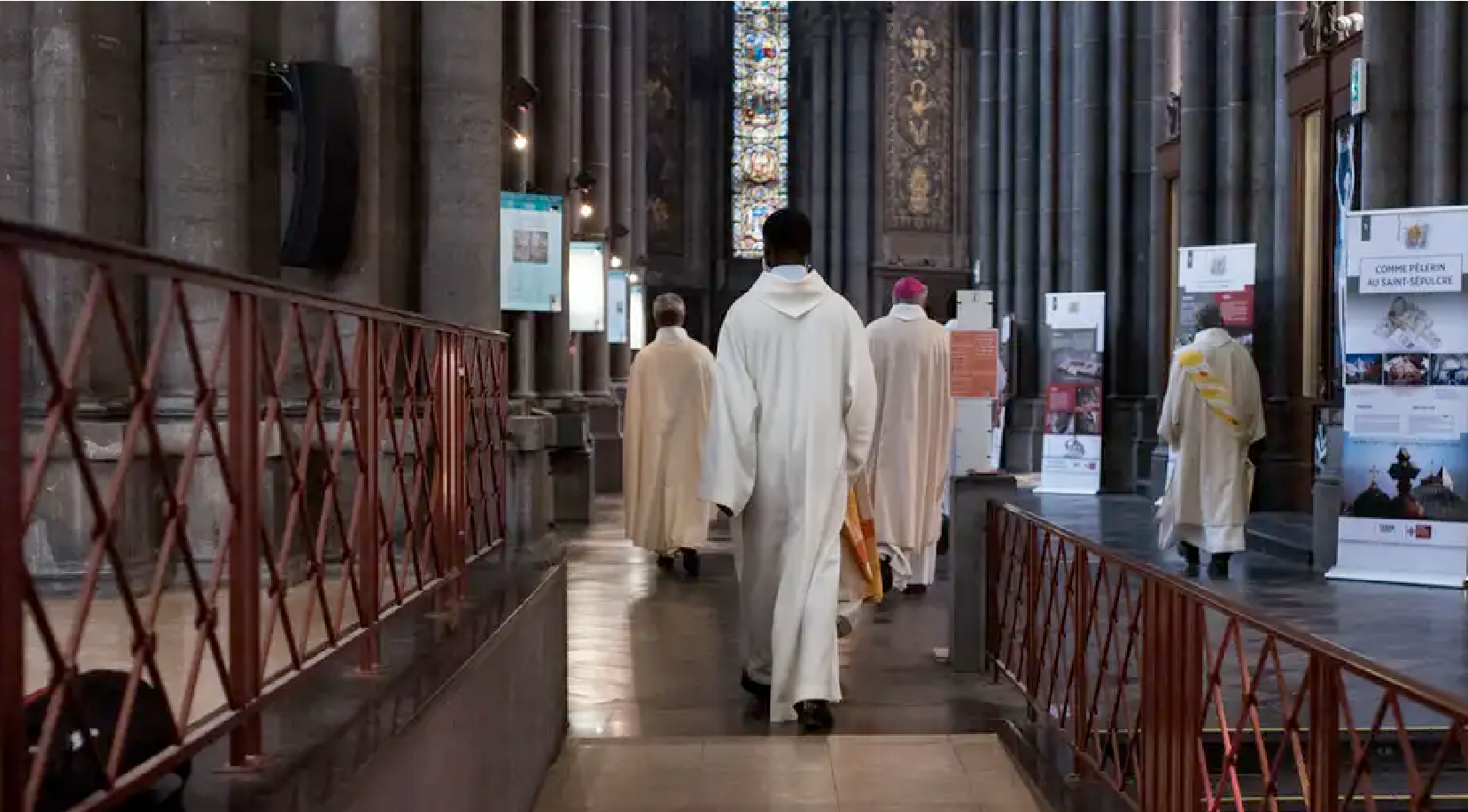
(ZENIT News / Nueva York, 05.04.2026).- After more than five years of legal battles and negotiations, the Archdiocese of New York has moved toward one of the largest financial settlements related to clergy abuse in the history of the Catholic Church in the United States. A proposed agreement totaling 800 million dollars would compensate approximately 1,300 survivors who filed claims under New York State’s Child Victims Act.
The proposal, announced on May 1 by the law firm Jeff Anderson & Associates, still requires the approval of the survivors before it can be finalized. If confirmed, the funds would be distributed through a dedicated trust in two payments—615 million dollars followed by 185 million—over a period of 15 months.
The scale of the agreement places it among the most significant ever reached by a Catholic jurisdiction in the country, second only to the 880 million dollar settlement agreed in 2024 by the Archdiocese of Los Angeles. It also represents a substantial increase from earlier figures under discussion, including a reported 300 million dollar proposal considered as recently as late 2025.
In addition to financial compensation, the agreement includes provisions aimed at strengthening transparency. The archdiocese will be required to maintain and regularly update a public list of clergy credibly accused of abuse, as well as disclose documentation related to cases of misconduct. These measures respond to longstanding demands from survivors seeking not only compensation but also a clearer account of past failures.
The agreement would also temporarily suspend ongoing litigation against the archdiocese, streamlining the compensation process while avoiding prolonged court proceedings. At the same time, survivors would retain the possibility of pursuing claims against insurance providers connected to the archdiocese, including the company Chubb, which remains involved in a separate legal dispute.
That dispute has added another layer of complexity to the situation. The archdiocese has accused its insurer of attempting to avoid its contractual responsibilities, even alleging that it supported external efforts critical of the Church. Legal proceedings between the two sides are still ongoing, and their outcome could influence the final financial structure of the settlement.
Church leadership has acknowledged both the gravity of the situation and the burden of addressing it. Cardinal Timothy Dolan previously indicated that the archdiocese had taken difficult financial decisions in preparation for such an agreement, including staff reductions and a 10 percent cut to its operating budget.
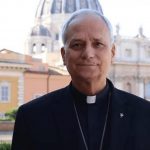
In a statement accompanying the latest development, Archbishop Ronald Hicks expressed cautious hope about the proposal, while recognizing the deep and lasting suffering endured by victims and their families. He emphasized the need for the Church community to support survivors and to contribute to a process that fosters healing and reconciliation.
For those representing the victims, the agreement is seen as a significant step, though not a complete resolution. Attorney Jeff Anderson described it as an important measure of accountability, while acknowledging that no financial compensation can fully repair the harm suffered.
The broader context underscores the importance of this moment. The Catholic Church in the United States has spent decades confronting the consequences of abuse scandals, implementing reforms and safeguarding measures while continuing to address past cases through legal channels. The New York settlement reflects both the scale of that legacy and the ongoing effort to respond to it with greater responsibility.
Thank you for reading our content. If you would like to receive ZENIT’s daily e-mail news, you can subscribe for free through this link.

Publicaciones relacionadas:
 Cardinal Marc Ouellet Denounces Judicially in Canada the Woman Who Accused Him of Abuse
 In Regard to the Rupnik Case, Jesuits Explain How Their Survivor Response System Works
 New Zealand’s Royal Commission Exposes Widespread Abuse in Religious and State Care
 Church Answers False Accusations Against Cardinal Francis Prevost
