

(ZENIT News / Washington, 05.19.2026).- The announcement came in the language of military success, but behind it lies a much broader and more painful story involving faith, security, and one of Africa’s most volatile regions.
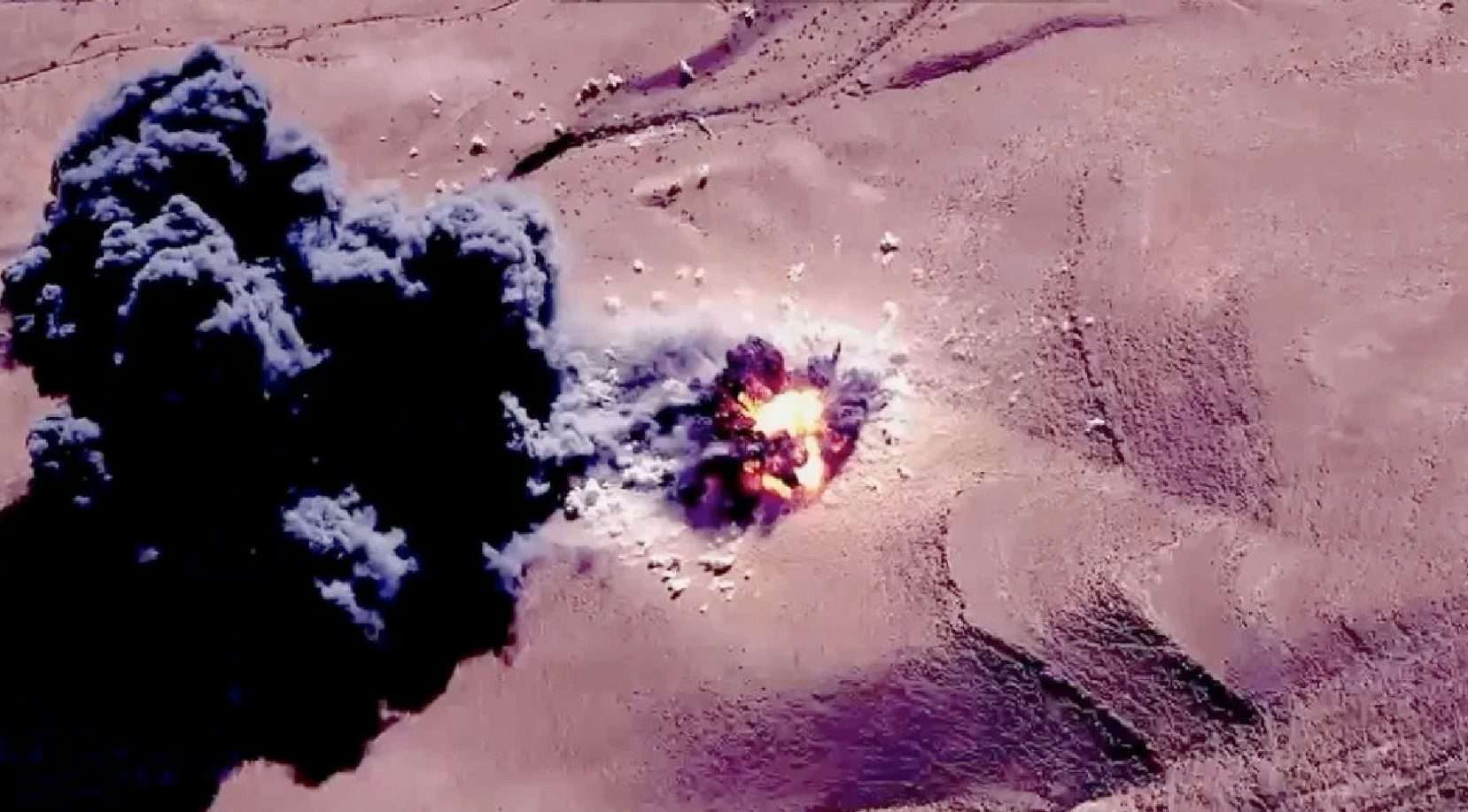
On May 15, U.S. President Donald Trump announced that American and Nigerian forces had carried out a joint operation resulting in the death of Abu-Bilal al-Minuki, identified as the second-highest-ranking leader within the global structure of ISIS. According to Trump, the militant leader had been attempting to conceal himself somewhere in Africa when the operation took place.
In a message published on social media, the U.S. president described the mission as “meticulously planned” and praised cooperation with Nigeria’s armed forces, stating that intelligence from multiple sources led to the operation. He argued that the death of the militant commander would significantly weaken ISIS activities worldwide and prevent future attacks against both Africans and Americans.
The elimination of a high-ranking terrorist figure is unquestionably significant. Yet in Nigeria, where violence linked to extremist movements has scarred communities for years, many observers know that removing individual leaders does not automatically resolve the deeper crisis.
Nigeria, Africa’s most populous nation with approximately 214 million inhabitants, lives at the intersection of multiple realities. It possesses one of the continent’s largest Christian populations and one of its largest Muslim populations as well. For decades, most citizens of both communities have lived together peacefully. Yet armed groups such as Boko Haram and the Islamic State West Africa Province have transformed parts of the country into theaters of recurring violence.
The debate surrounding these attacks extends beyond security matters into a highly sensitive question: are Christians specifically being targeted?
Trump has repeatedly framed the issue in explicitly religious terms. In late 2025 he warned that Christianity in Nigeria faced what he called an “existential threat,” and later claimed that extremist groups were killing Christians at levels unseen in generations. He had previously vowed severe retaliation against terrorist organizations if such violence continued.
The U.S. administration subsequently took several measures, including designating Nigeria as a “Country of Particular Concern” under international religious freedom legislation, potentially opening the door to sanctions. In addition, visa restrictions were announced for individuals allegedly connected to mass violence against Christians.
Nigerian authorities, however, strongly dispute the characterization of widespread anti-Christian persecution as official or systematic. Government officials insist that terrorist organizations attack people from different religious backgrounds and argue that the conflict cannot be reduced simply to a war against Christianity.
The reality may be more complicated than political slogans often allow. In certain regions, religious identity, ethnic tensions, territorial disputes, criminal networks, and extremist ideology frequently overlap, creating violence with multiple causes.
Still, international concern is not without foundation. Research organizations such as Pew have classified Nigeria among the countries with the world’s highest levels of religion-related social hostilities, much of it fueled by extremist movements.
For Christian communities in some areas of northern and central Nigeria, attacks on villages, churches, clergy, and families have created a climate of deep fear. For Muslim communities targeted by the same militants, suffering has likewise been severe.
The latest military operation may disrupt terrorist networks and save lives. Yet history suggests that defeating extremist violence requires more than eliminating commanders. Military pressure, intelligence cooperation, protection of religious freedom, economic stability, and local reconciliation efforts all become part of the same struggle.
Thank you for reading our content. If you would like to receive ZENIT’s daily e-mail news, you can subscribe for free through this link.

Publicaciones relacionadas:
 Austria joins Canada and opens the door to Sharia (Islamic law) in the country
 Vatican Justice Fines Climate Activists for Vandalism in Vatican Museums
 One of Europe’s Most Wanted Criminals Captured: Murdered Priest and Attacked Nun
 Settlers exploit war in Iran to commit new acts of violence in the West Bank
