

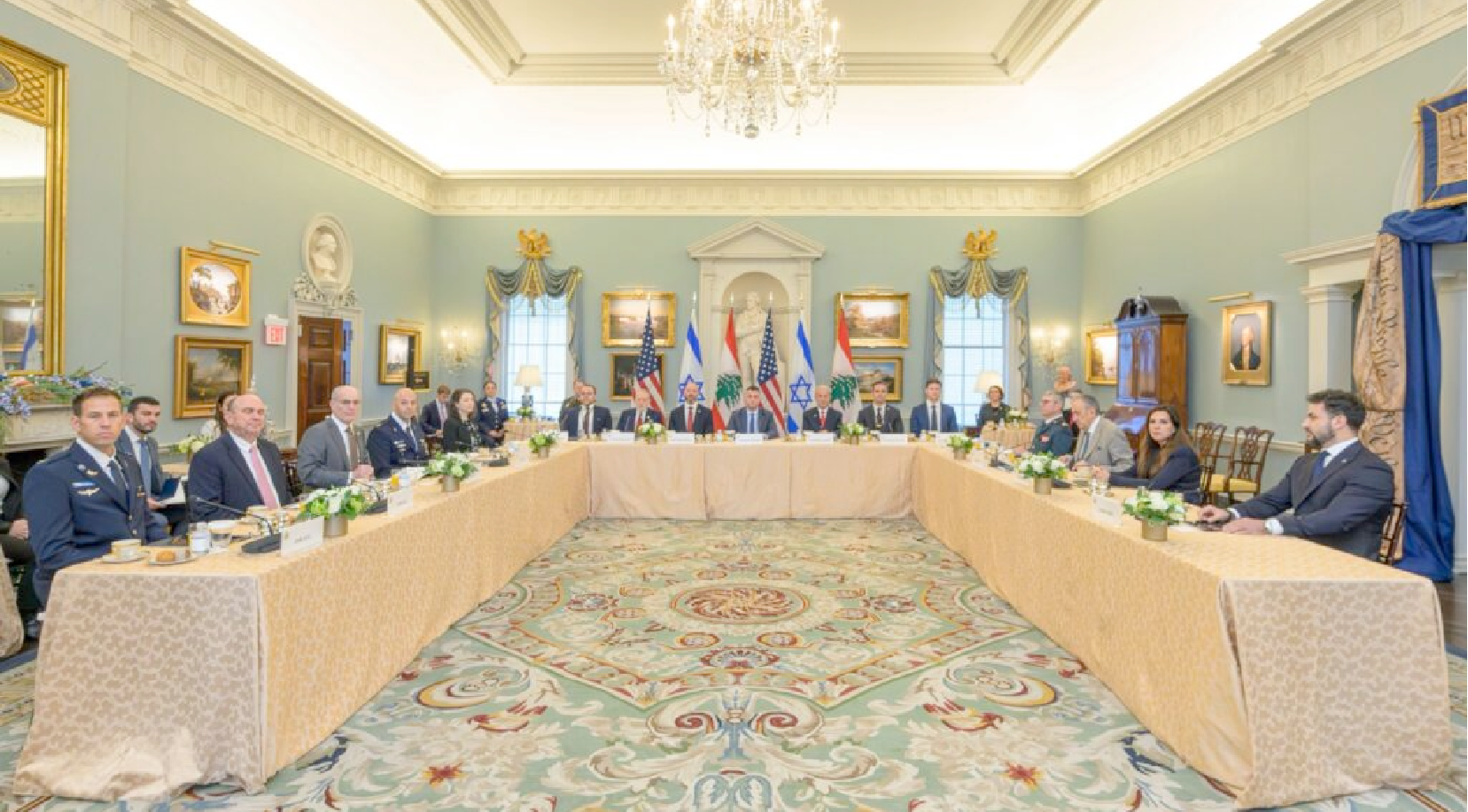
(ZENIT News / Beirut, 06.29.2026).- A diplomatic breakthrough has raised cautious hopes that one of the Middle East’s most volatile fronts may finally begin to quiet. Yet for many Lebanese families returning to devastated villages, and for communities watching centuries of history disappear under the rubble, peace remains far more an aspiration than a reality.
After four days of negotiations in Washington under U.S. mediation, Israel and Lebanon signed a framework agreement on June 26 intended to create a pathway toward ending hostilities and restoring Lebanese sovereignty in the country’s south. The accord envisions a phased Israeli withdrawal from selected «pilot zones,» the establishment of a trilateral military coordination mechanism, and efforts to strengthen the Lebanese Armed Forces, while calling for Hezbollah’s disarmament and the dismantling of its military infrastructure.
Speaking at the signing ceremony, U.S. Secretary of State Marco Rubio described the agreement as «the first step on what will undoubtedly be a difficult but necessary journey.» Washington also pledged $100 million in humanitarian assistance, coordinated with the United Nations, including $30 million specifically aimed at enhancing the Lebanese army’s ability to exercise effective sovereignty throughout the country.
Israeli Prime Minister Benjamin Netanyahu confirmed that Israeli forces would begin withdrawing from two designated areas, allowing the Lebanese army to deploy. Lebanese officials welcomed the agreement as an opportunity to restore territorial integrity and enable displaced citizens to return home.
Yet the framework faces an immediate and formidable obstacle: Hezbollah has categorically rejected it. Senior Hezbollah lawmaker Hassan Fadlallah warned that, without the group’s approval, implementation would be impossible and declared that the movement would resist any attempt to enforce the accord through force. The organization’s position underscores the central challenge facing the negotiations: although the agreement was signed by Israel and Lebanon, one of the conflict’s principal military actors remains outside the process.
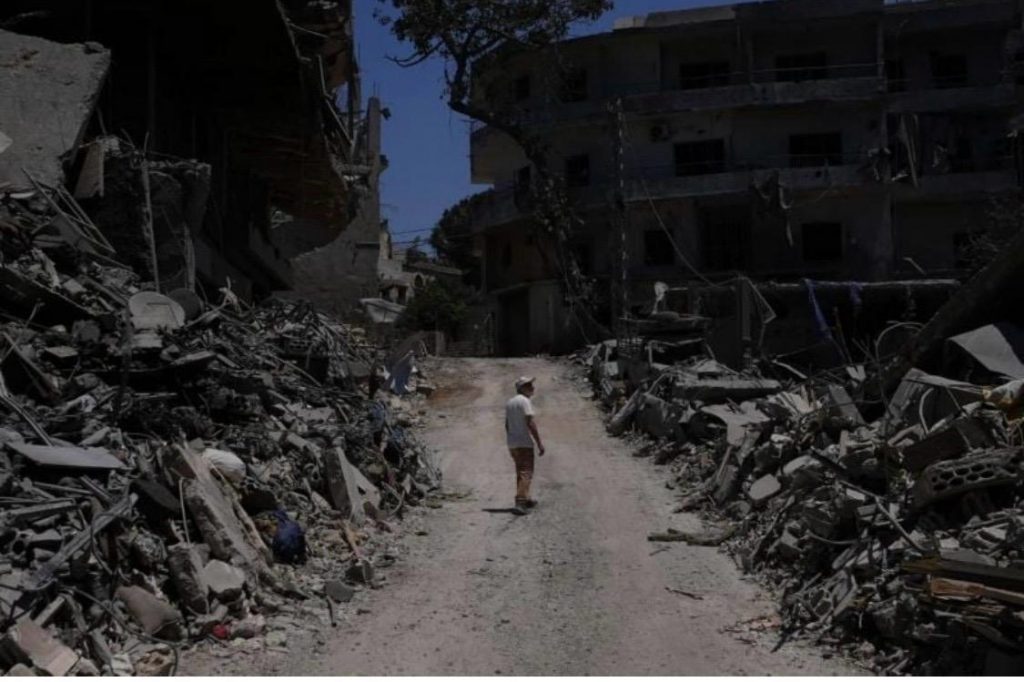
The fighting erupted after Hezbollah opened fire on Israeli territory on March 2, shortly after the outbreak of the Israeli-American war against Iran. The ensuing Israeli air and ground campaign devastated large areas of southern Lebanon. More than 4,000 people have reportedly been killed, while over one million residents have been forced to flee their homes.
Although recent days have seen periods of relative calm, residents have learned not to mistake silence for security. Earlier ceasefire announcements quickly collapsed, producing fresh casualties among civilians who believed it was safe to return. In many communities, men cautiously inspect damaged homes before deciding whether their families can safely come back, while countless others return to displacement centers after finding their houses uninhabitable.
Rescue teams continue recovering bodies trapped beneath collapsed buildings in towns such as Nabatiyeh, Debbine, Blat and villages in the Bint Jbeil district. Civil defense crews are still discovering victims weeks after some of the heaviest bombardments, illustrating the conflict’s continuing human toll even as diplomacy advances.
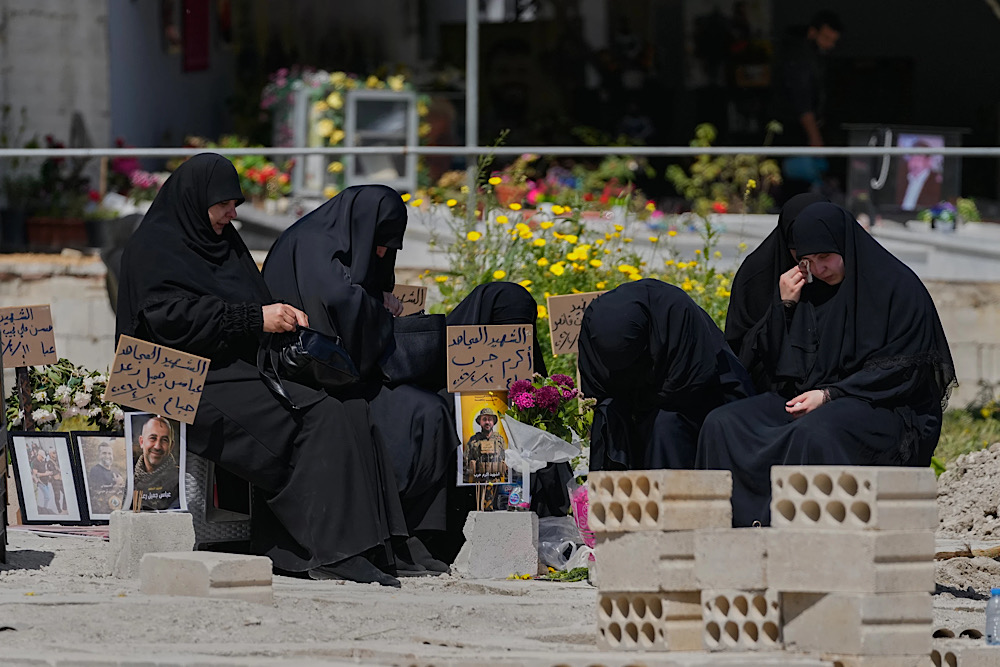
Daily life remains profoundly disrupted. Electricity and water supplies are unreliable across much of southern Lebanon, schools have closed after sustaining damage, businesses have collapsed, and many families have lost their income for months. Local residents describe communities living in uncertainty, unable to determine whether rebuilding efforts will last or another round of fighting will erase what little recovery has begun.
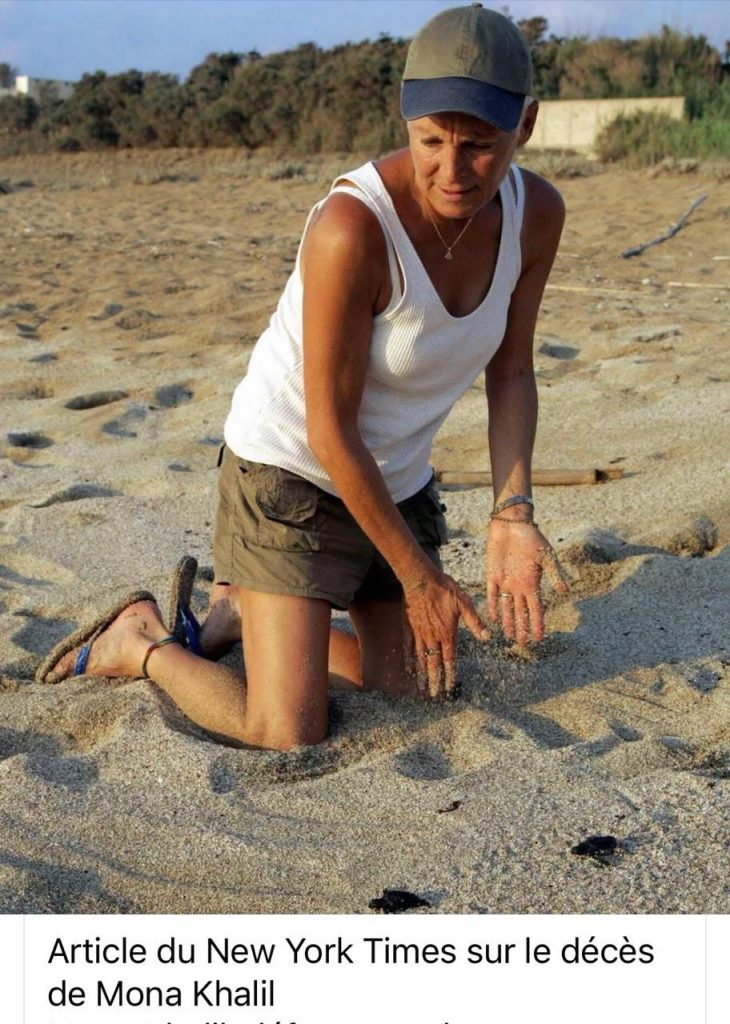
The humanitarian tragedy has also claimed prominent civilian figures. Environmental activist Mona Khalil, internationally recognized for her decades of work protecting endangered sea turtles along Lebanon’s Mediterranean coast, died from injuries suffered when an Israeli strike destroyed her family home earlier this month.
Beyond the immediate humanitarian crisis, another loss is proving irreversible: the destruction of Lebanon’s cultural and religious heritage.
Officials from Lebanon’s Ministry of Culture warn that repeated strikes have damaged some of the country’s most valuable archaeological sites, including the ancient Phoenician city of Tyre, a UNESCO World Heritage Site whose origins date back to the third millennium before Christ. According to Lebanese experts, bombardments have shattered Roman columns, capitals, mosaics and numerous archaeological remains, particularly within the Al-Bass archaeological complex.
The concern extends well beyond archaeology. Historic churches, mosques, shrines and medieval fortresses have also suffered severe damage. The fortress of Chamaa, strategically located near the Israeli border and protected under the 1954 Hague Convention for cultural property, has reportedly sustained extensive destruction, while the site’s location within an Israeli-controlled area has prevented independent assessments of its condition.
Cultural preservation specialists warn that such losses cannot simply be reconstructed. Unlike damaged infrastructure, unique historical monuments represent irreplaceable witnesses to the civilizations that shaped the eastern Mediterranean over thousands of years. Their destruction impoverishes not only Lebanon but humanity’s shared cultural inheritance.
Meanwhile, military realities continue to complicate diplomacy. Analysts point to strategic positions such as Ali Taher Hill, regarded as an important Hezbollah command area, as potential flashpoints capable of reigniting hostilities despite ongoing negotiations.
The political atmosphere has become even more tense following inflammatory remarks by Israeli National Security Minister Itamar Ben-Gvir after four Israeli soldiers were killed in southern Lebanon. Calling for overwhelming retaliation, he declared that «all of Lebanon should burn,» comments that drew widespread attention and added to concerns about further escalation even as diplomatic efforts continued.
Whether the Washington framework ultimately succeeds will depend on developments that extend well beyond the negotiating table. Military realities on the ground, Hezbollah’s refusal to participate, regional tensions involving Iran, and the immense challenge of rebuilding shattered communities all remain unresolved.
For now, Lebanon finds itself suspended between two futures: one offering the possibility of reconstruction and stability, the other threatening another cycle of violence that would deepen wounds already measured not only in thousands of lives lost and more than a million displaced, but also in a cultural and historical legacy that, once destroyed, can never truly be restored.
Thank you for reading our content. If you would like to receive ZENIT’s daily e-mail news, you can subscribe for free through this link.

Publicaciones relacionadas:
 Palestinian and Israeli leaders present Pope with peace plan for Holy Land (includes status for Jerusalem)
 Jewish state of Israel lifts ban on Church charity arm: Caritas will be able to continue working in Gaza
 Israel unprecedented expropriation of Palestinian land
 Holy Land: Catholic Church denounces Jewish settlers’ encroachment on church-owned properties. Israeli government seeks to mend relations
