

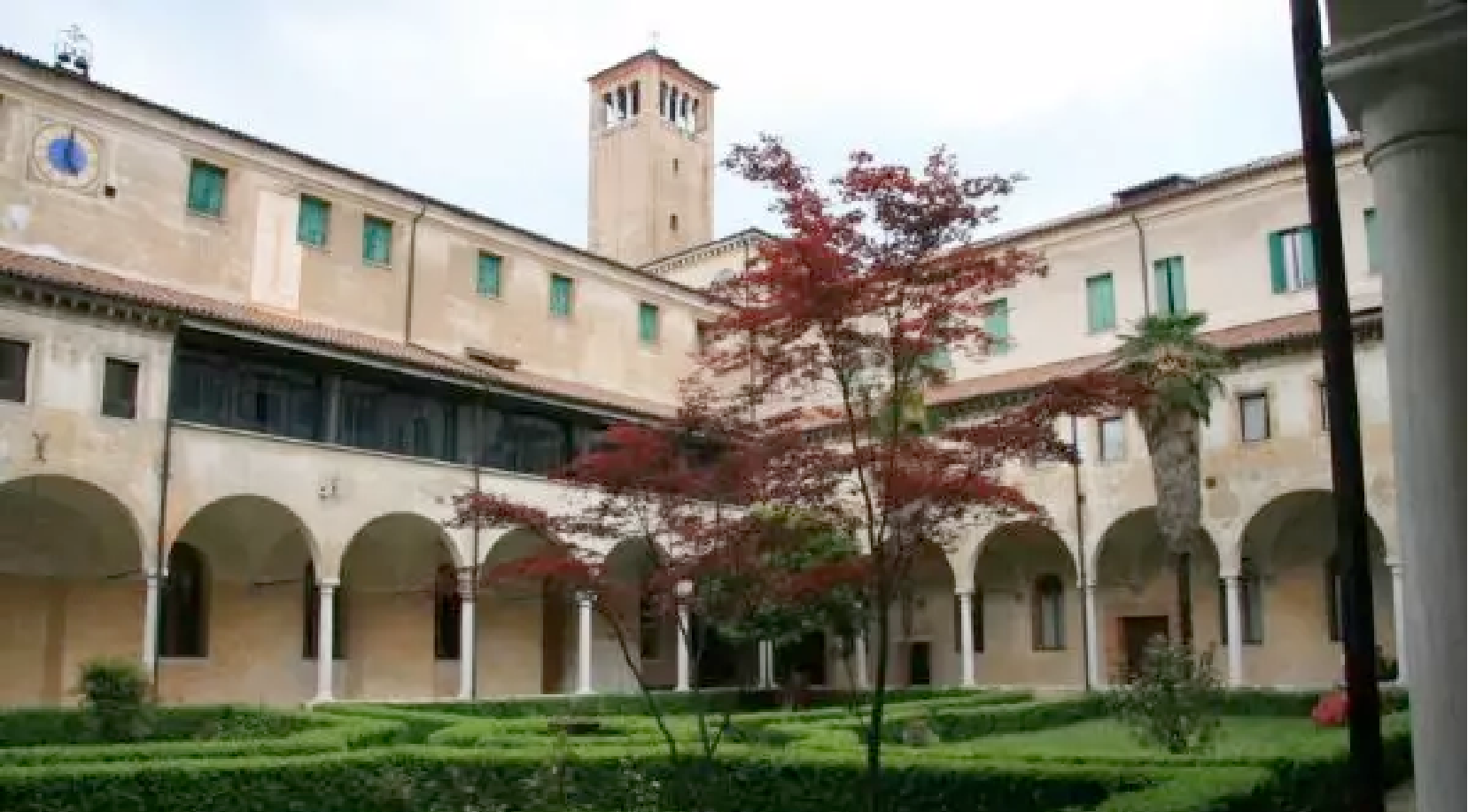
(ZENIT News / Rome, 06.30. 2026) – Priests Paolo Carnio and Livio Buso, from Treviso, Italy, have been cleared of an accusation brought before the Court of Padua following a lawsuit filed by Gianbruno Cecchin. The plaintiff must pay damages for defamation, as the alleged sexual abuses, said to have occurred at the Seminary, never took place.
Judgment No. 724/2026, issued by the Civil Section II last April 27, dismissed the complaint filed by Cecchin, 55, who claimed to have suffered abuse during the year he studied at the Treviso Episcopal Seminary, when he was 19 and both priests were serving there as instructors.
The central aspect of this legal proceeding has been the public restoration of the honor of the two falsely accused priests. The Court acknowledged that defamation had occurred and confirmed the lack of credibility of the accuser, who had based his account on academic degrees and teaching roles he claimed to hold — claims whose authenticity was refuted by the relevant university. The ruling also awarded compensation of 50,000 euros to each priest and ordered the plaintiff to pay the legal costs.
The six years since the complaint was filed have been especially difficult and painful for both priests, the Seminary, the Bishop, and the entire Diocese of Treviso. In 2021, various local and national media outlets gave widespread coverage to the allegations through interviews, videos, and television appearances.
The Diocese of Treviso addressed the case by cooperating with investigations, in line with the guidelines established by Popes Benedict XVI, Francis, and Leo XIV, as well as the recommendations of the Italian Episcopal Conference.
The Vicar General of Treviso, Monsignor Mauro Motterlini, stated:
«For our part, we rejected from the very beginning all the accusations leveled against two highly qualified and esteemed brother priests. I recall the unanimous and spontaneous signing of the letter This Is Our Story at the Seminary, backed by numerous priests and laypeople who knew a high-quality formation center, one that respected young men and their life paths. It is a place that, even today, thanks to the commitment of its educators, spiritual directors, and professors, continues to enjoy the trust of many families and young men seeking to discern their vocation.»
As often happens, the public restoration of the two priests’ honor has received far less media attention than the accusations that once severely damaged their reputations.
On June 13, ZENIT highlighted the importance of the presumption of innocence for accused priests, a principle that often receives little attention in contemporary public debate. On that date, it was reported that the Catholic Bishops of the United States had approved an update to the Charter for the Protection of Children and Young People, originally adopted on June 16, 2002. The revised text reaffirms the document that has guided the Church’s response to sexual abuse by members of the clergy for more than two decades. The Spring Plenary Assembly, held in Orlando, Florida, approved the revision with 176 votes in favor, 22 against, and 6 abstentions.
The update to the so-called «Dallas Charter» explicitly recognized the right of accused clergy to the presumption of innocence, incorporating language inspired by recent amendments to Book VI of the Code of Canon Law. This reaffirmation also addressed the concerns of priests who had endured years of ministerial restrictions stemming from unresolved allegations. However, some observers pointed out the need to broaden the scope of the document, traditionally focused on the protection of minors, to more explicitly include vulnerable adults and to strengthen safeguards against unfounded accusations.
More than twenty years after the adoption of the Dallas Charter, which marked a turning point in the Catholic Church’s response to abuse, the approach has evolved to more explicitly incorporate principles such as accountability, transparency, due process, and pastoral care, directed not only at victims but also at priests who may be unjustly accused.

Publicaciones relacionadas:
 U.S.: Sexual abuse of individuals under the pastoral care of a clergy member is classified as a specific crime in the Civil Penal Code
 Durham University issues report on impact of abuse crisis on Catholic communities
 After An Investigation, Vatican Discards Anonymous Accusation of Abuse Against Cardinal Gerald Lacroix
 Turbulent Times for Emmanuel Community as Global Leader Steps Down Amid Internal Strains
