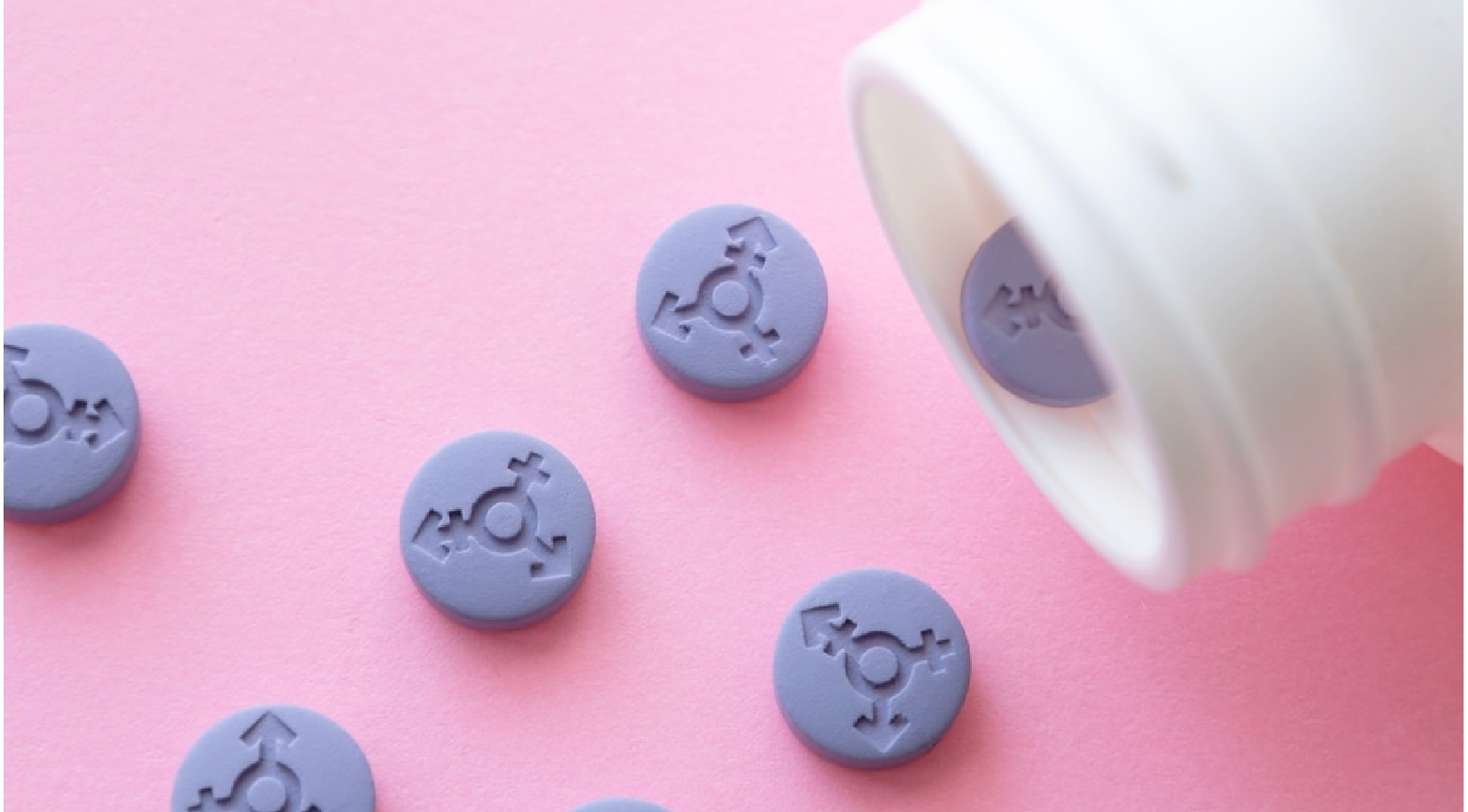
(ZENIT News / Mexico City, 04.28.2026).- A large study entitled «Psychiatric Morbidity Among Adolescents and Young Adults Who Contracted Specialized Gender Identity Services in Finland between 1996 and 2019: A Registry Study» was published in the journal «Acta Paediatrica» on April 4, 2026. This study analyzes the effects of so-called «gender transition» on minors.
The research concludes that «severe psychiatric morbidity (proportion of those with illness) is common among adolescents undergoing gender transition and appears to be more prevalent in those who have undergone the transition. Psychiatric needs do not decrease after medical gender reassignment.»
The study is based on national data collected between 1996 and 2019 from more than 2,000 individuals under 23 years of age who underwent gender transition, comparing them with the general population.
The key finding is that young people with gender dysphoria had «significantly higher psychiatric morbidity than control groups, both before and after surgery,» and that «reassignment» treatments involving mastectomies of healthy breasts and genital surgeries, such as phalloplasty and vaginoplasty, require specialized psychiatric care that increases significantly over time.
After adjusting their previous psychiatric treatment, all adolescents undergoing gender transition presented a high risk of psychiatric illness, with a risk three times greater in females and five times greater in males. Furthermore, hormonal or surgical treatments required increased attention from mental health specialists, with a 10% increase in more than half of the males undergoing feminizing transition and a similar, though less pronounced, increase in those undergoing masculinizing transition.
The study refutes as a myth the opinion that psychiatric disorders are attributable to gender dysphoria, a thesis used to justify early medical reassignment during developmental years.
The authors of the study are Sami-Matti Ruuska (University of Tampere), Katinka Tuisku (University of Helsinki), Timo Holttinen (University of Tampere), and Riittakerttu Kaltiala (University of Tampere), Swedish researchers, physicians, and psychiatrists. They indicate that, even after adjusting for pre-existing psychological problems, psychiatric distress and the risk of mental disorders were significantly higher in young people attending gender clinics.
The international context highlights that gender reassignment treatments are not only ineffective but also quite harmful, as they do not reduce distress or improve psychological well-being.
Two years ago, pediatrician Johanna Olson-Kennedy, a well-known activist and researcher, conducted a two-year study that she decided not to publish, as it showed no improvement in the mental health of children with gender dysphoria after hormone therapy. She discovered that tendencies toward despair and suicide persisted. Olson-Kennedy concealed her study on the effects of puberty blockers. The New York Times learned of it and published it on October 23, 2024.
An independent British report known as the Cass Review also highlighted the weakness of the scientific evidence supporting gender transition treatments. Increasingly, medical societies are prohibiting these types of medical transitions due to their psychological consequences.