(ZENIT News / Rome, 05.17.2026).- Answered by Legionary of Christ Father Edward McNamara, professor of liturgy and sacramental theology at the Pontifical Regina Apostolorum university.
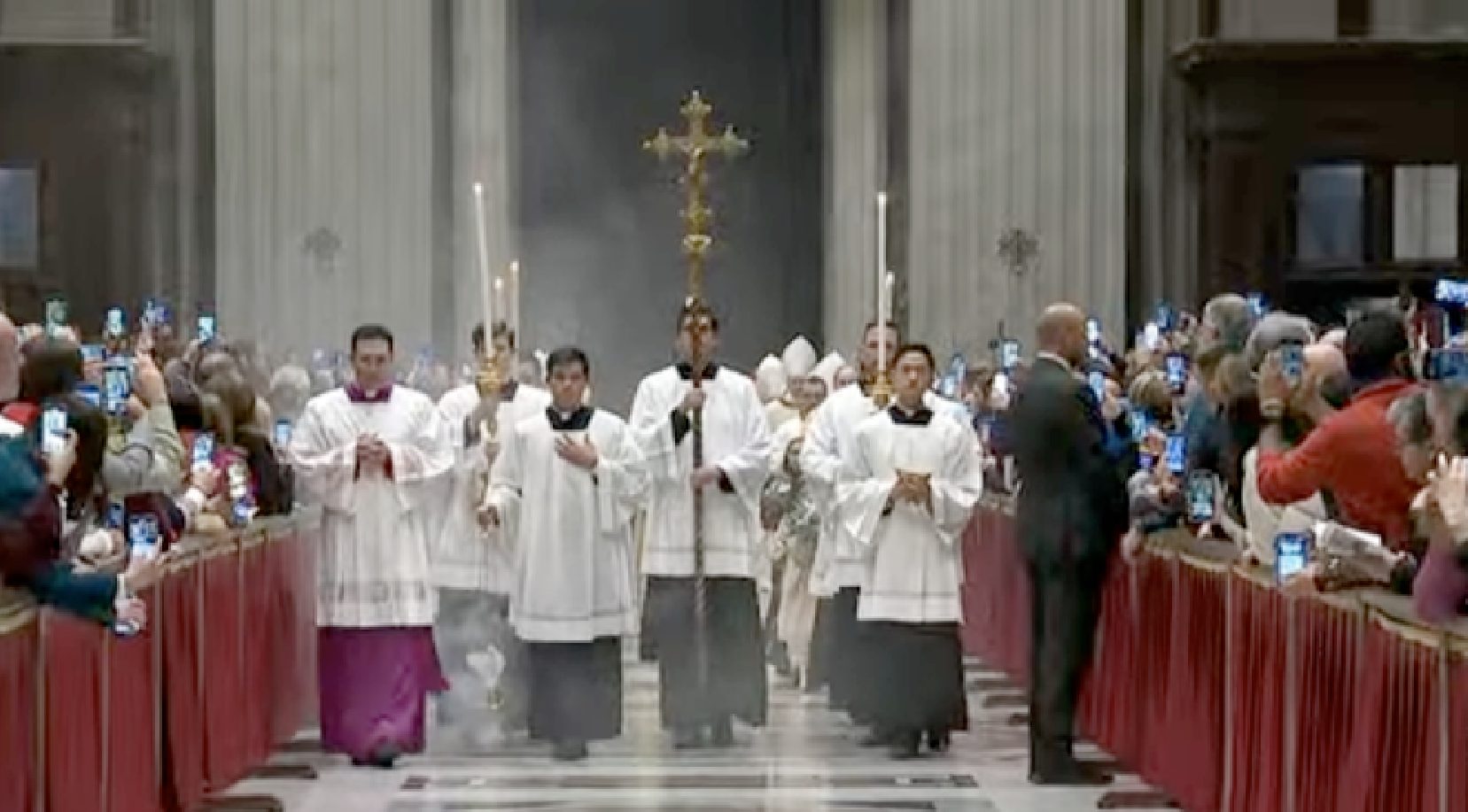
Q: I am responsible for etiquette-related work in my parish. Where should I hold the incense boat during the entrance ceremony of a large Mass? According to Article 120 of the General Instruction of the Roman Missal, the first in procession should be the one with the burning censer, followed by those carrying cross candles and other personnel. There was no mention of where the incense boat should be located; I have seen various methods in my area. In some parishes, the acolytes holding the incense boat are placed behind the cross and candles, in front of the priests. The order of their procession entering the church is the censer, the cross candle, and then the incense boat. Most parishes in our area do this, but I have researched and watched the Pope’s Mass. When the Pope presides over the Mass, the acolytes holding incense boats are placed side by side with those holding the thurible. Therefore, we also followed this practice, but encountered suspicion from other priests in the diocese, who believe that this practice is wrong and should have the incense boats at the back of the procession, behind the cross and candles. Which approach is correct? — D., Zhejiang, China
A: The above-mentioned norm from GIRM 120, which refers to a Mass with one priest and without a deacon, says:
“120. When the people are gathered, the Priest and ministers, wearing the sacred vestments, go in procession to the altar in this order:
“a) the thurifer carrying a smoking thurible, if incense is being used;
“b) ministers who carry lighted candles, and between them an acolyte or other minister with the cross;
“c) the acolytes and the other ministers;
“d) a reader, who may carry a Book of the Gospels (though not a Lectionary), slightly elevated;
“e) the Priest who is to celebrate the Mass. If incense is being used, before the procession begins, the Priest puts some into the thurible and blesses it with the Sign of the Cross without saying anything.”
However, although the incense boat is not mentioned here, it is mentioned in the previous number, GIRM 119, as among the things to be prepared:
«When the Entrance takes place with a procession, the following are also to be prepared: a Book of the Gospels; on Sundays and festive days, a thurible and incense boat, if incense is being used; the cross to be carried in procession; and candlesticks with lighted candles.»
From this, and the indications for a bishop’s solemn Mass found in the Ceremonial of Bishops, nos. 128 and 131, we can say the following.
The use of a boat bearer alongside the thurifer is optional and is usually reserved for especially solemn and long processions where there is a need to add more incense when arriving at the altar. If needed, this server walks to the left of the thurifer during the procession.
This is why one usually sees the boat bearer in papal Masses to the left of the thurifer at the head of the procession as the entrance procession is quite long.
On arriving at the altar, the boat bearer passes the incense boat to the deacon, who then offers it to the celebrant. When the celebrant has placed incense into the thurible, the deacon returns the boat to the server, and the thurifer hands the thurible to the deacon who passes it to the celebrant.
In normal parish situations it is sufficient to put incense in the thurible before the procession begins, and the altar is incensed immediately on arriving at the altar. If there is a deacon, the thurifer passes the thurible to him who passes it to the celebrant. If there is no deacon, the minister passes the thurible directly to the celebrant and receives it from him when the altar has been incensed.
In the above circumstances, since there is no specific role for the boat bearer at this moment, he can take his place in the procession as one of the acolytes envisioned in GIRM 120,c. He can renew his role as boat bearer if incense is used for the proclamation of the Gospel, during the preparation of the gifts, and during the Eucharistic Prayer to incense the sacred species at the consecration.
After the Eucharistic Prayer the thurible and incense boat are usually left in the sacristy or some other worthy place.
Since incense is not normally used for the final procession at the end of Mass, this is led by the cross- and candle-bearers. The thurifer and boat bearer take their place behind the cross among the other ministers.
Therefore, I think we can respond to our reader from China that, in a way, both options are correct. It will be the concrete circumstances of the celebration that will determine the place of the boat bearer during the entrance procession.
* * *
Readers may send questions to zenit.liturgy@gmail.com. Please put the word «Liturgy» in the subject field. The text should include your initials, your city and your state, province or country. Father McNamara can only answer a small selection of the great number of questions that arrive.
Thank you for reading our content. If you would like to receive ZENIT’s daily e-mail news, you can subscribe for free through this link.