

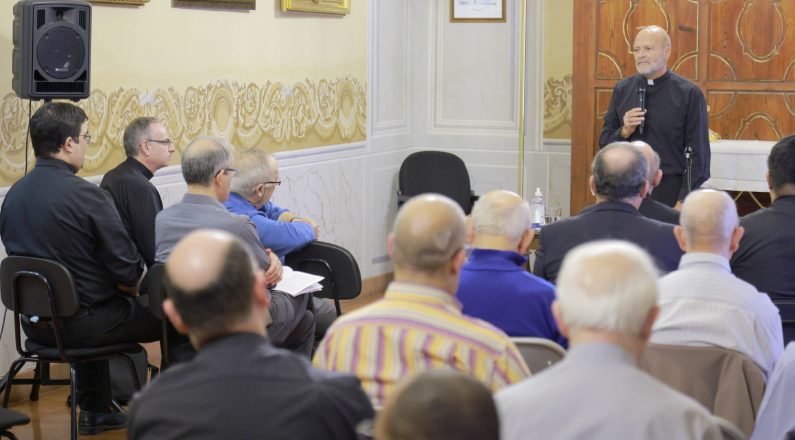
(ZENIT News / Valencia, 04.11.2026).- Amid the orange groves of Spain’s Mediterranean interior, far from the visibility and demands of parish life, a discreet institution has become an unexpected refuge for Catholic priests who can no longer carry the weight of their ministry alone. The Residencia Mosén Sol, located in the small town of Alquerías del Niño Perdido in the province of Castellón, Spain, embodies a rarely discussed dimension of ecclesial life: the need to care for those who are themselves entrusted with caring for others.
Run by the Hermandad de Sacerdotes Operarios Diocesanos, a clerical association dedicated to fostering priestly fraternity and vocations, the residence operates with a clear and focused purpose. It receives priests who, at a certain point, recognize that their psychological, emotional, or spiritual resources have been exhausted. In a vocation often perceived as primarily spiritual, the reality, as those involved insist, is far more complex and deeply human.
At the center of this initiative is Emilio Lavaniegos, a 65-year-old Mexican priest who has led the project for the past five years. Under his direction, the residence has developed a structured approach to what he describes not as vague “difficult moments,” but as concrete conditions: depression, addiction, crises of faith, and burnout. The latter, more commonly associated with secular professions, has become a frequent diagnosis among clergy, particularly those responsible for multiple parishes.
The pressures are not insignificant. In many dioceses, a single priest may be assigned pastoral responsibility for several communities, multiplying administrative, sacramental, and relational demands. The cumulative effect can lead not only to physical fatigue but to a deeper emotional depletion. According to Lavaniegos, the priesthood is “a very exposed way of life,” one that leaves little room for anonymity or withdrawal.
The response offered in Castellón is neither improvised nor merely palliative. It follows a defined therapeutic and formative pathway described as a process of “integral growth,” unfolding in five stages: initial orientation, self-knowledge, personal understanding, renewed assimilation of priestly identity, and finally, projection toward the future. This journey is supported by structured reading—around 700 pages of material—as well as ongoing reflection, counseling, and community life.
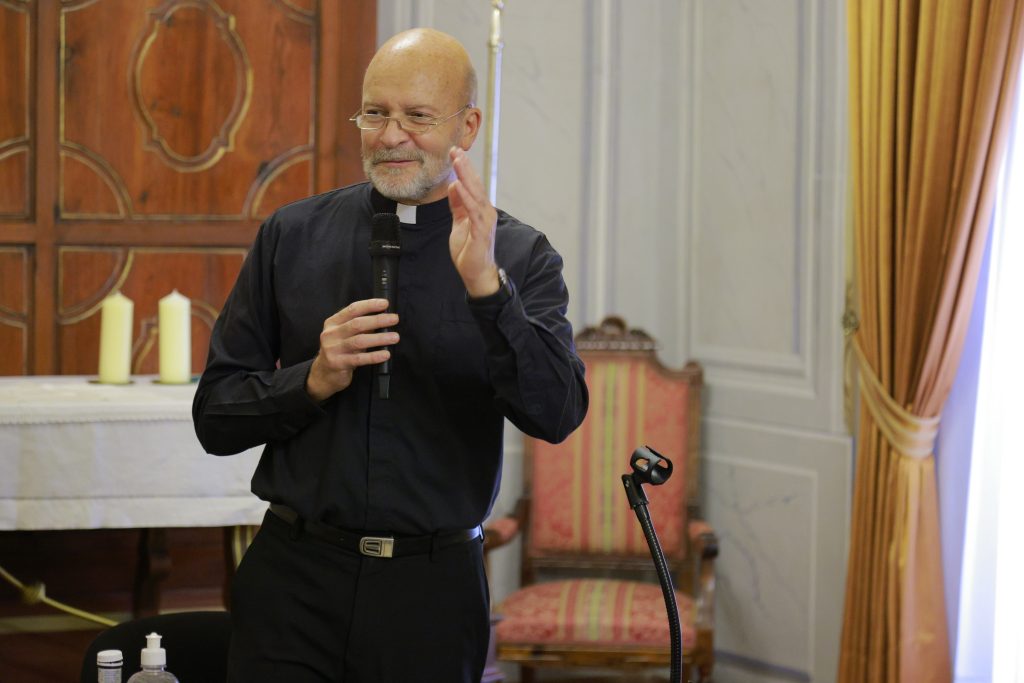
Capacity is deliberately limited. Although the residence can host up to 15 individuals, the team prefers smaller groups, typically no more than nine, to ensure close accompaniment. Alongside four priests, approximately 25 professionals from various disciplines contribute to the program, reflecting an interdisciplinary approach that combines spiritual direction with psychological and human formation.
The results suggest a significant degree of effectiveness. Over the past five years, 115 priests have passed through the residence, with roughly 80 percent eventually returning to active ministry in their dioceses. For the remaining 20 percent, the outcome is different but no less intentional: they are accompanied through a process of leaving the priesthood in a manner described as peaceful and free of conflict. In both cases, the emphasis is on restoring personal dignity rather than preserving institutional roles at any cost.
The average stay lasts about six months, though the relationship does not end there. Former residents may return for follow-up support for up to three years, maintaining contact with the center and, where appropriate, with psychological services. This continuity underscores a key principle of the program: recovery is not a single event but an ongoing process.
Among the more sensitive areas addressed is the question of celibacy and human sexuality. Lavaniegos approaches the issue with notable directness, rejecting the notion that celibacy eliminates sexual experience or its challenges. Instead, he frames it as a path requiring maturity, awareness, and sustained formation. In this respect, the struggles faced by priests are not entirely distinct from those encountered in other states of life, though they unfold within a specific vocational framework.
Underlying the entire initiative is a theological and pastoral conviction: the Church does not discard its wounded members but seeks to restore them. This principle, often expressed in abstract terms, takes concrete form in the daily life of the residence. Upon arrival, each priest is told a simple but decisive message: he is not a problem to be solved, but a person to be cared for.
In a broader ecclesial context marked by declining vocations in parts of Europe and increasing pastoral demands on those who remain, such initiatives may become increasingly necessary. They reveal a dimension of priestly life that is rarely visible to the faithful but essential to the sustainability of ministry itself.
Months after their departure, Lavaniegos visits many of those who have completed the program. What he observes, he says, is not merely recovery from a specific crisis, but the acquisition of a new framework for living—one that enables them to return to their communities with greater balance and resilience. In the quiet landscape of rural Castellón, the work of rebuilding those who serve continues, largely unseen, yet quietly transformative.
Thank you for reading our content. If you would like to receive ZENIT’s daily e-mail news, you can subscribe for free through this link.

Publicaciones relacionadas:
 All Africa responds unanimously to Rome: no blessing of same-sex couples
 German court refuses to protect «Cologne Cathedral» as a trademark for the Catholic Church
 Face of Jesus in the Host: Vatican recognizes Eucharistic miracle in India
 Massacre After Parish Celebration in Mexico Draws Heartbroken Outcry from Bishops
