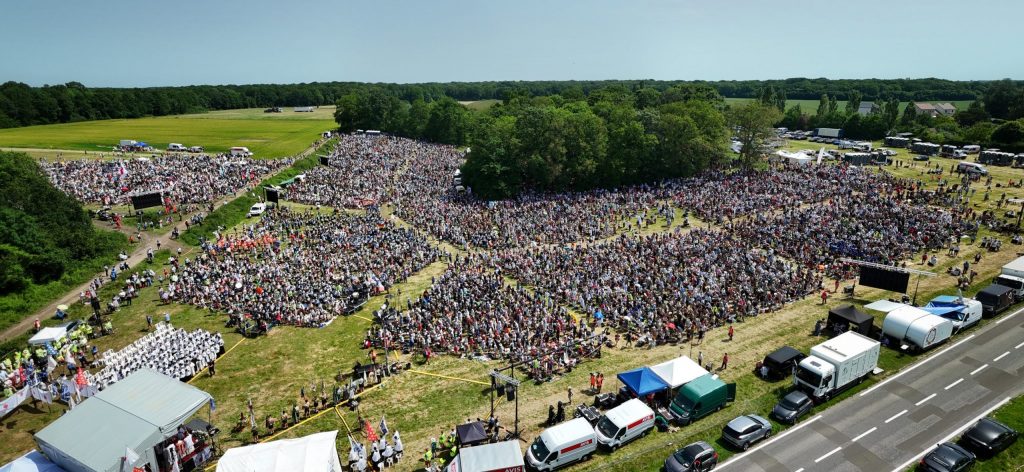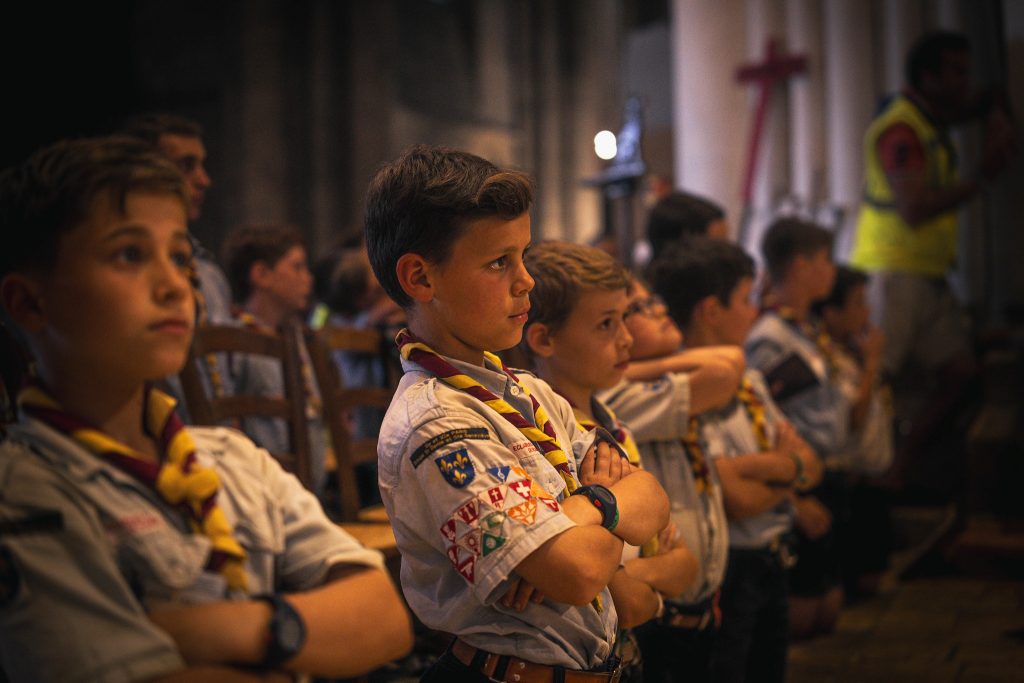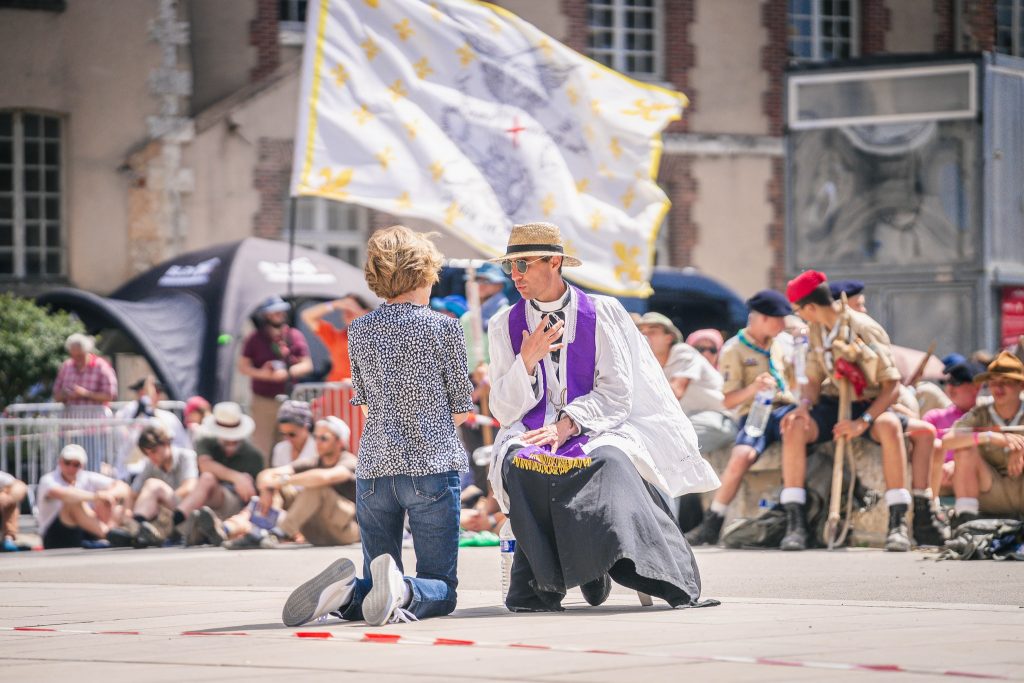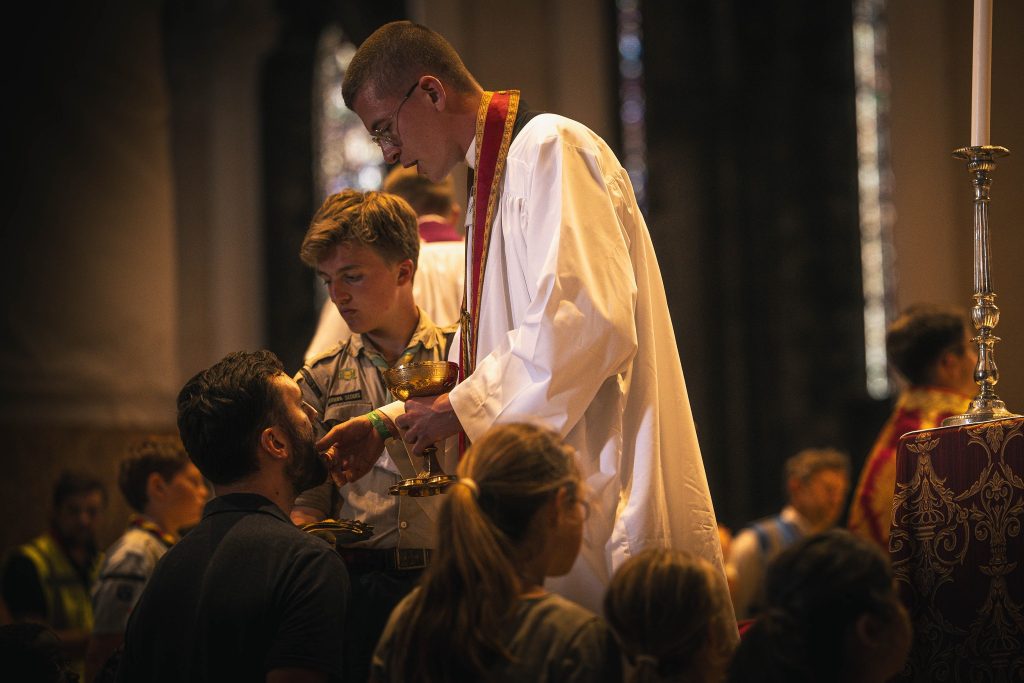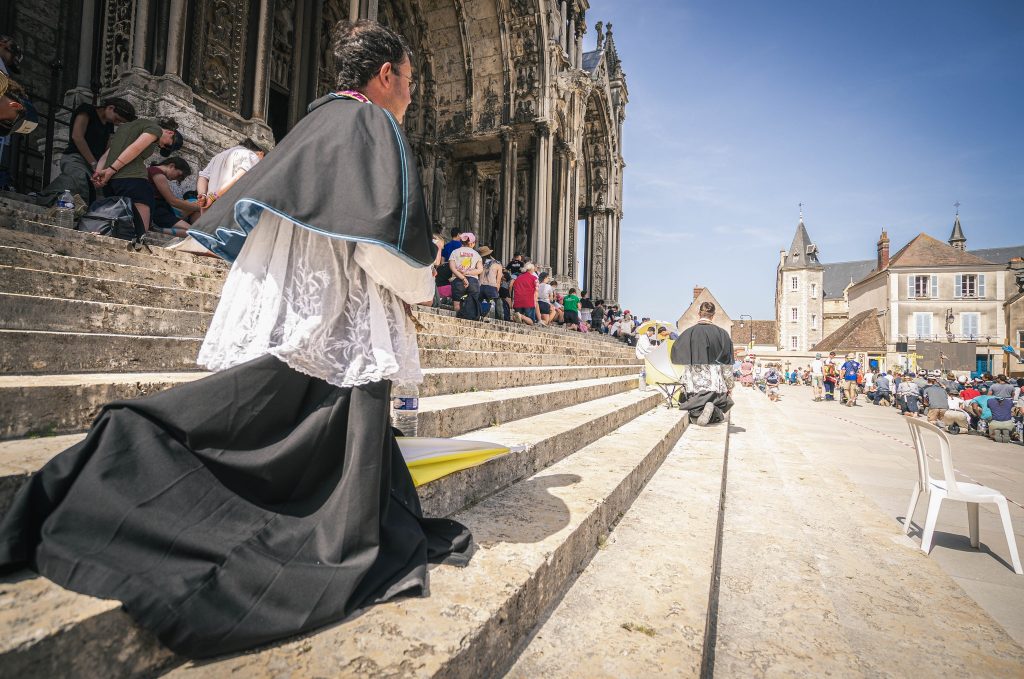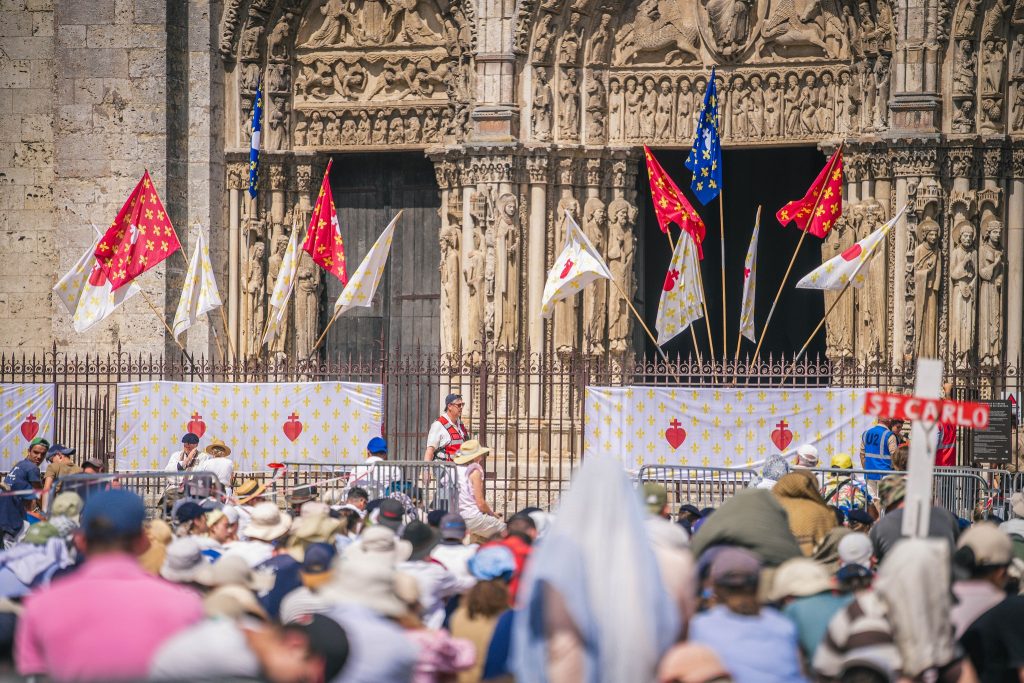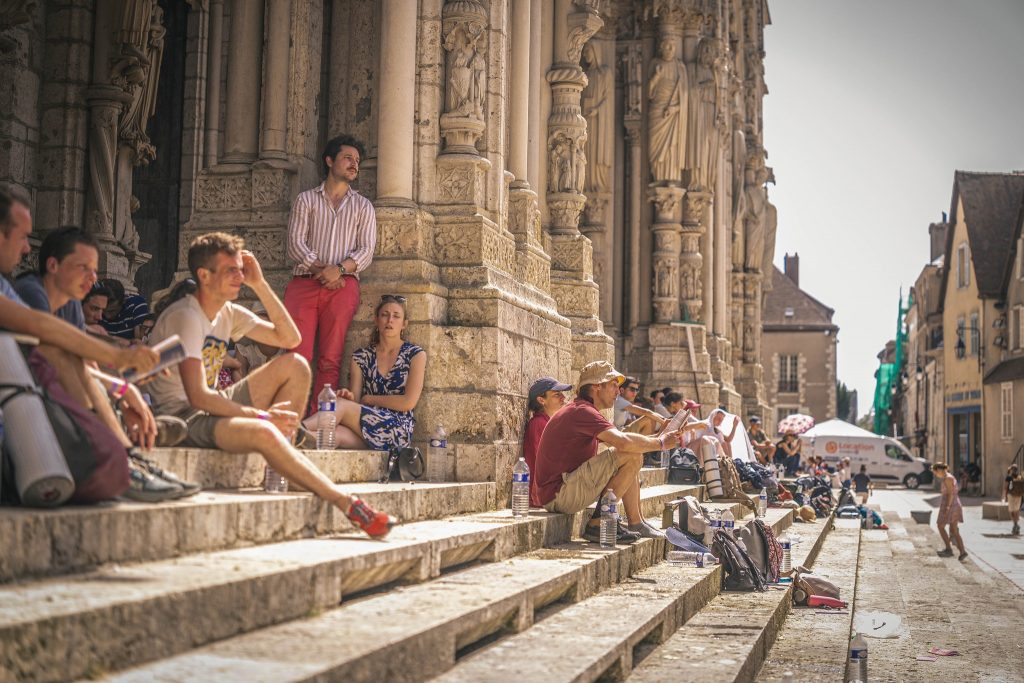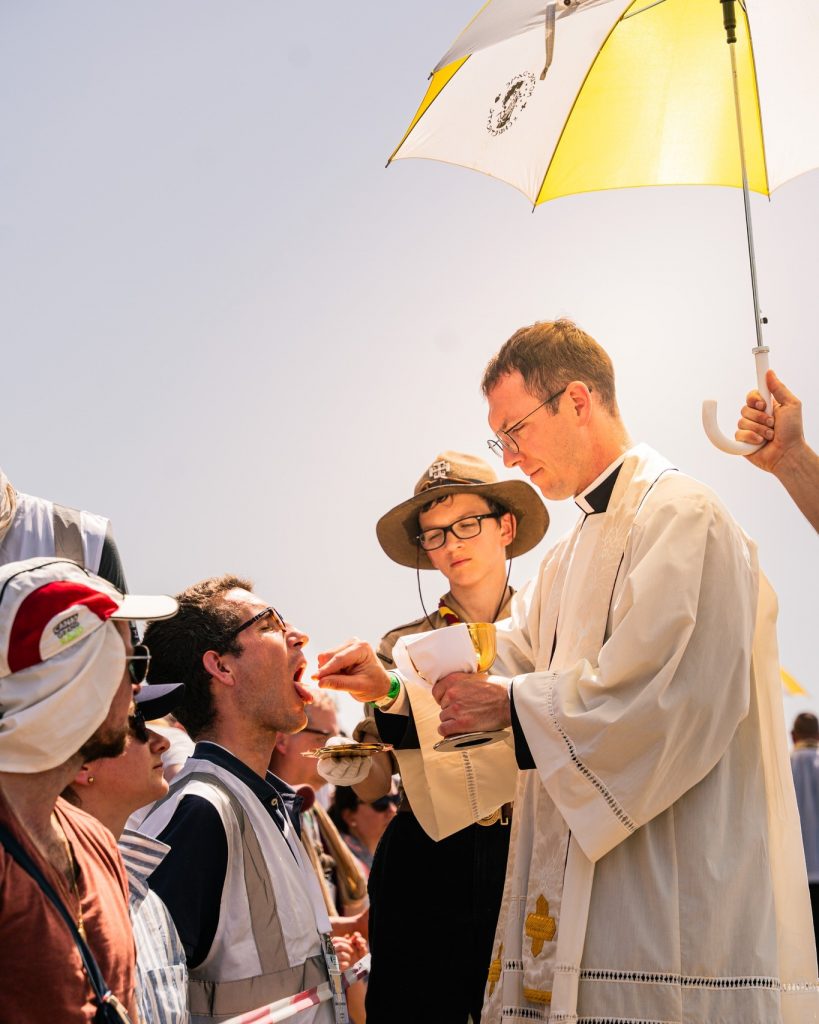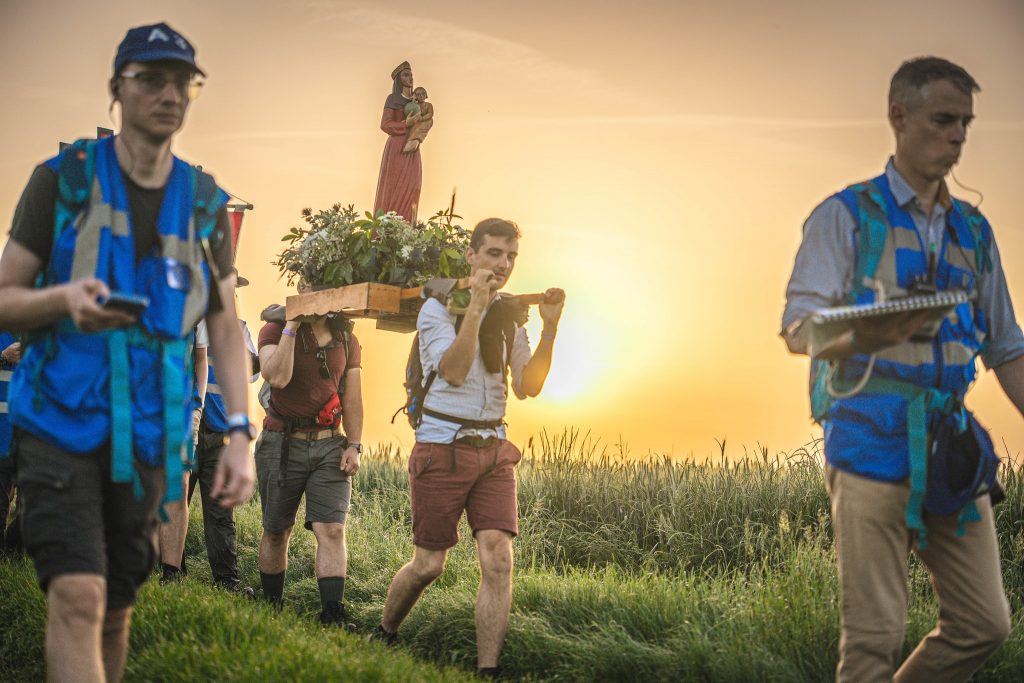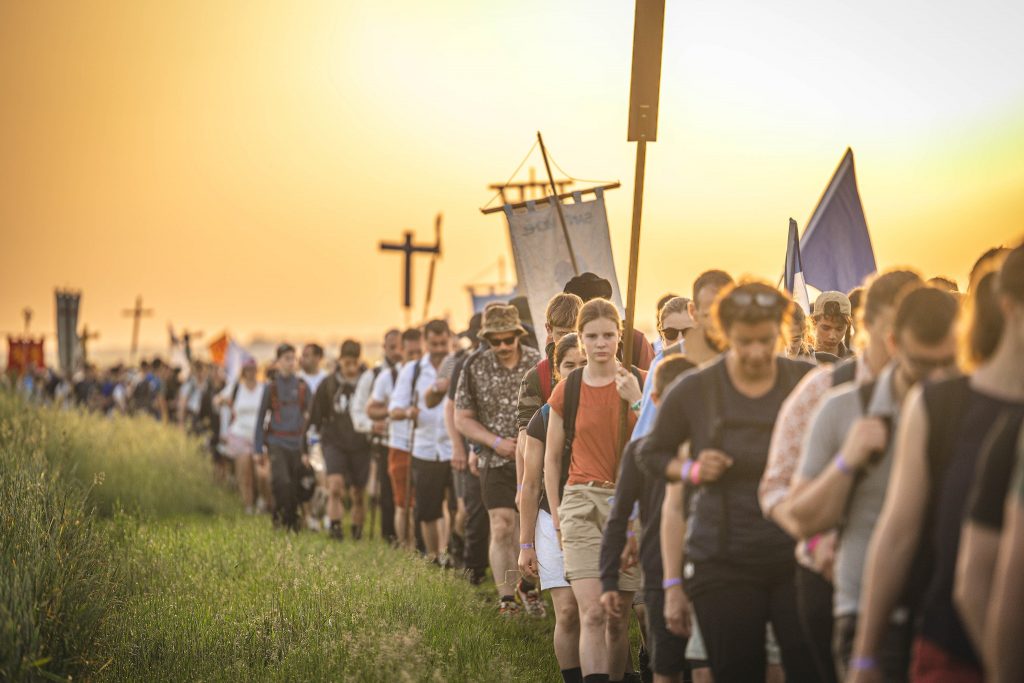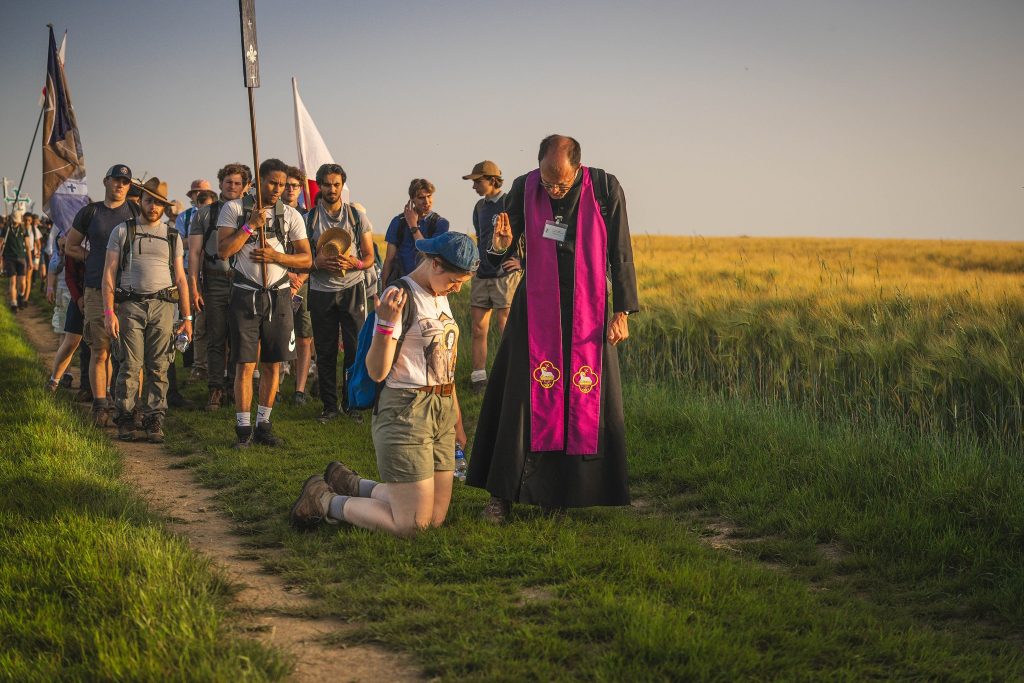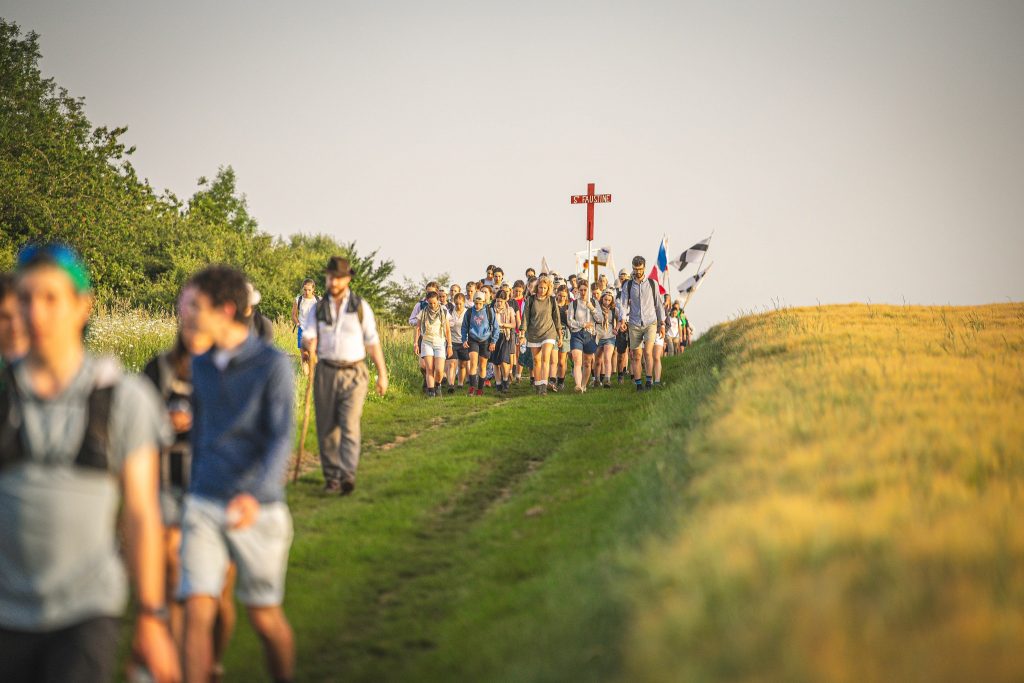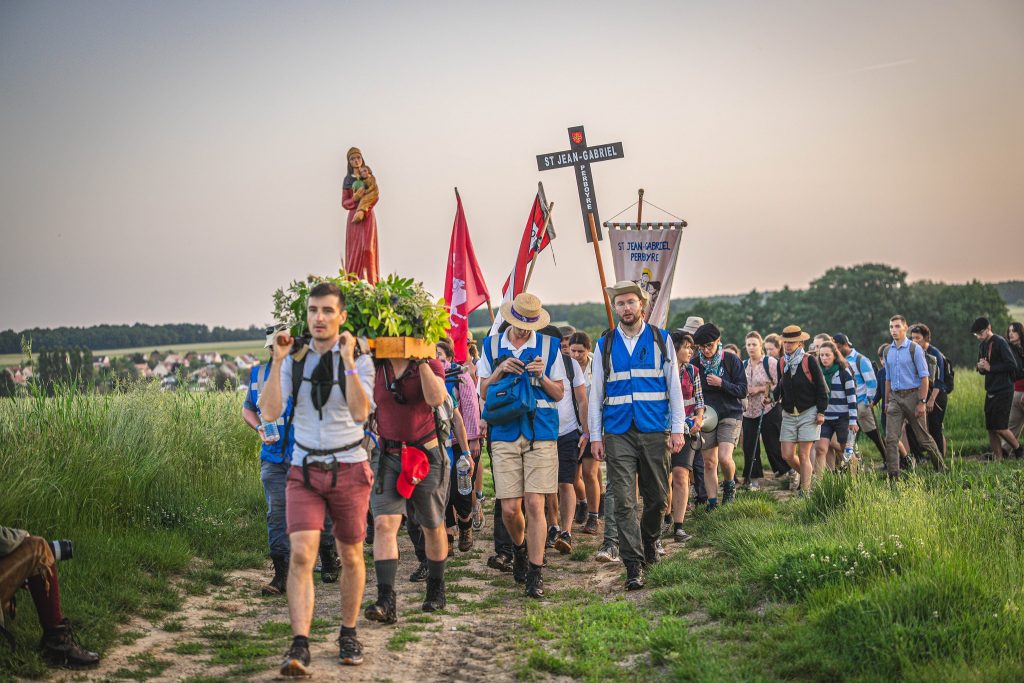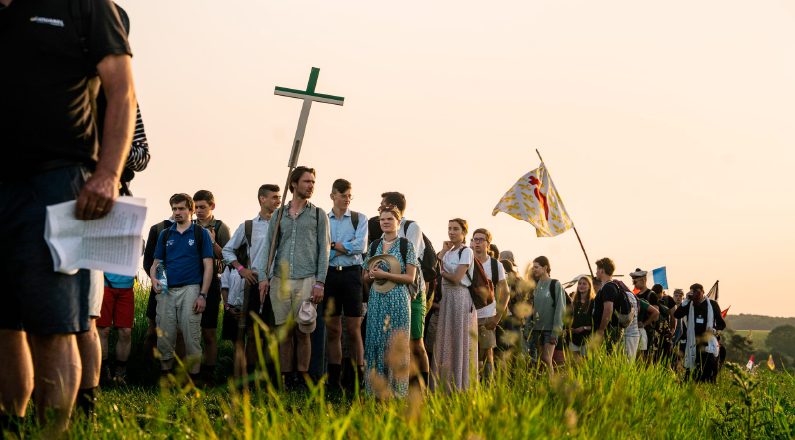
(ZENIT News / Paris, 05.28.2026).- For three days, from May 23 to 25, an extraordinary image crossed the French countryside: nearly 20,000 pilgrims walking more than 100 kilometers from Paris to Chartres, praying the rosary, singing Gregorian chant, sleeping in tents and attending Mass under open skies. In a continent often described as post-Christian, the annual Pentecost pilgrimage to Chartres has once again become one of the clearest signs that Catholicism in Europe may be weaker institutionally than in previous generations, yet far more alive among certain sectors of youth than many expected.
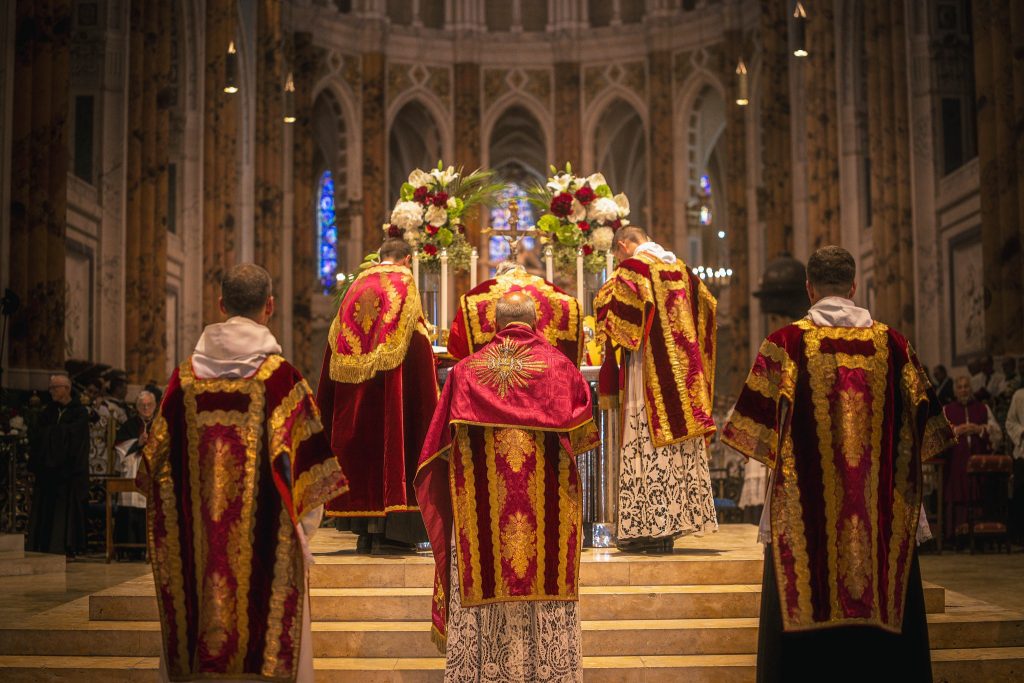
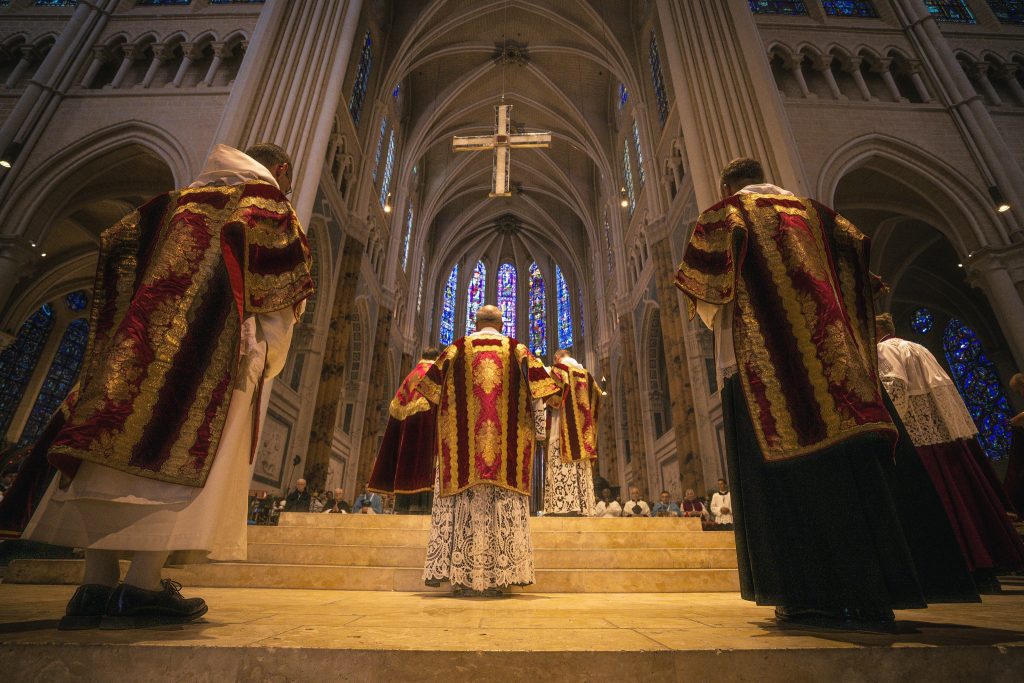
The 44th edition of the pilgrimage, organized by the lay association Notre-Dame de Chrétienté under the motto “You Shall Be My Witnesses to the Ends of the Earth,” drew participants from 22 countries, including Belgium, Britain, Poland, Italy, Switzerland and Luxembourg. The final Mass was celebrated at the Cathedral of Chartres, one of the great monuments of medieval Christianity and home to the famous relic traditionally associated with the Virgin Mary’s veil.
What most surprised was not merely the size of the crowd — larger even than last year’s 19,000 pilgrims — but its demographic profile. According to an internal study conducted among 4,610 participants, the average age of the pilgrims was only 22 years old. By comparison, the average age of practicing Catholics in France today is approximately 57.
That 35-year gap tells a larger story about religion in modern Europe.
For decades, France has often been presented as the laboratory of secularization: declining Mass attendance, collapsing religious transmission within families and increasing indifference toward institutional faith. Yet the Chartres pilgrimage paints a strikingly different portrait. More than half of participants were under 25, while roughly one-third were attending for the first time. Many belong to a generation with no memory whatsoever of pre–Vatican II Catholicism and little personal connection to the culture wars that continue to divide older Catholics.
The pilgrimage’s vitality also appears connected to a broader religious resurgence unfolding in France. Recent Easter statistics released by the French bishops showed a significant increase in adult baptisms, especially among young adults aged 18 to 25. Regional Church leaders in the Paris area are expected to meet beginning May 31 precisely to discuss the unexpected growth in catechumens.
Far from functioning as a nostalgic religious reenactment, the pilgrimage reveals an intensely practicing Catholic culture. Nearly 90 percent of surveyed pilgrims identified themselves as practicing Catholics. Many attend weekday Mass in addition to Sunday liturgy, while almost 40 percent go to confession at least monthly. Large majorities affirmed belief in core Catholic doctrines often questioned or ignored in broader Western culture: the Real Presence of Christ in the Eucharist, the Trinity, bodily resurrection and even the existence of hell.
Equally notable was the strong male participation. While religious practice in Western Europe usually skews heavily female, the pilgrimage showed a slight male majority: 52 percent men versus 48 percent women. Sociologists have observed similar patterns recently among younger Christian communities in parts of the United States and elsewhere, suggesting that demanding forms of religious commitment may hold particular appeal for young men searching for structure, transcendence and identity.
The event also challenges the stereotype that traditional Catholics live isolated from wider society. According to the survey, 77 percent are actively involved in parishes, scouting groups or charitable works — a rate reportedly seven times higher than the national average among French Catholics. Families are highly visible as well: more than 30 percent of participants are married with children, while students and young professionals form another substantial segment.
One of the most sensitive issues surrounding the pilgrimage remains the liturgy. A majority of pilgrims expressed attachment to the Traditional Latin Mass, or Extraordinary Form of the Roman Rite, citing not aesthetics but spiritual reasons: silence, reverence, sacred music and a heightened sense of transcendence.
Since Pope Francis issued the motu proprio Traditionis Custodes restricting the celebration of the older liturgy, the Chartres pilgrimage has frequently found itself at the center of tensions between traditionalist communities and ecclesiastical authorities. This year, as in 2025, the opening Mass took place at Saint-Sulpice rather than at Notre-Dame Cathedral in Paris, where the pilgrimage historically began before the 2019 fire. Organizers indicated that Archbishop Laurent Ulrich did not wish a Latin Mass to be celebrated at the restored cathedral, though diocesan officials publicly emphasized logistical considerations.
Pope Leo XIV recently encouraged French bishops to welcome generously Catholics attached to the vetus ordo, signaling a potentially less confrontational approach toward these communities.
Perhaps the most remarkable aspect of the pilgrimage is that it combines doctrinal conviction with missionary dynamism. Many participants discovered the event not through ideological movements, but through friends, relatives or parish communities. Others are recent converts or catechumens taking their first major step into Catholic life.
In Chartres, one sees neither the exhausted Catholicism often portrayed in sociological studies nor merely a countercultural subculture retreating from modernity. What emerges is a generation seeking transcendence in a secular age — willing to walk for days, pray publicly and embrace demanding forms of faith in a society that long assumed Christianity belonged mainly to the past.
Thank you for reading our content. If you would like to receive ZENIT’s daily e-mail news, you can subscribe for free through this link.