

(ZENIT News / Rome, 05.29.2026).- In a decision that may appear highly technical to non-specialists but carries important implications for ecclesial governance, Leo XIV has approved a canonical clarification concerning the dismissal of superiors in autonomous monasteries, reinforcing mechanisms of accountability within consecrated life while preserving the Church’s traditional structures of authority.
The measure, made public by the Holy See Press Office on May 28, grants the Dicastery for Institutes of Consecrated Life and Societies of Apostolic Life the faculty to authorize a diocesan bishop to issue a decree of dismissal under Canon 699 §2 when the religious to be dismissed is himself the major superior of the monastery.
Although the language belongs to the world of canon law, the practical question behind the reform is straightforward: who has the authority to remove the superior of a monastery when the superior himself becomes the subject of disciplinary action?
Until now, Canon 699 §2 of the Code of Canon Law stated that in autonomous monasteries — known in canonical terminology as monasteries sui iuris — the responsibility for dismissing a professed religious belonged to the major superior acting with the consent of his council. That norm functioned adequately in ordinary situations, but left unresolved the more delicate scenario in which the person facing dismissal was precisely the superior entrusted with governing the community.
The new rescript signed by Pope Leo XIV resolves that ambiguity by establishing that, in such cases, the competent diocesan bishop may intervene, provided authorization is first granted by the Vatican dicastery responsible for religious life.
The decision follows an audience granted by the Pope to the Cardinal Secretary of State on March 25, 2026, and explicitly notes that Francis had already expressed a favorable opinion regarding the reform before his death. The measure therefore represents both continuity with Francis’ broader canonical reforms and an example of Leo XIV’s willingness to continue refining Church governance through targeted legal adjustments rather than dramatic structural overhauls.
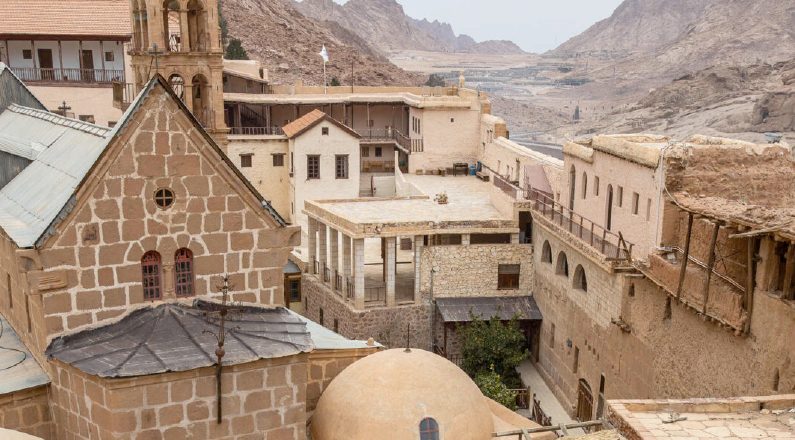
To understand the significance of the change, it is important to recognize the unique nature of monasteries sui iuris. Unlike many religious communities directly governed by larger congregations or centralized structures, these monasteries possess a substantial degree of juridical autonomy. They govern themselves internally and traditionally enjoy considerable independence in disciplinary and administrative matters.
That autonomy has long been considered one of the treasures of monastic life, protecting contemplative communities from excessive bureaucratic interference and preserving their spiritual identity. Yet recent decades have also shown the risks that can emerge when internal governance mechanisms become insufficient to address crises involving leadership, abuse of authority or institutional dysfunction.
The reform fits within a broader trajectory begun under Francis, particularly through the 2022 motu proprio Competentias quasdam decernere, which revised several provisions of both the Latin and Eastern codes of canon law. One of the aims of those reforms was to clarify competencies and streamline decision-making processes in situations where canonical ambiguity risked paralyzing governance.
The new rescript does not abolish monastic autonomy, nor does it hand ordinary control of monasteries to diocesan bishops. Rather, it creates a narrowly defined mechanism for exceptional cases in which internal authority structures become compromised because the superior himself is the object of disciplinary proceedings.
Thank you for reading our content. If you would like to receive ZENIT’s daily e-mail news, you can subscribe for free through this link.

Publicaciones relacionadas:
 Catholic priests, with Vatican backing, make study visit to Orthodox Armenians
 Pope Leo XIV intervenes in the Pontifical International Marian Academy: these are the new reforms
 Another Woman Appointed to the Dicastery for Bishops. Leo XIV Confirms Other Members
 Pope Leo XIV to Equatorial Guinea: video captures the Holy Father’s travel coordinator visiting the country ahead of a papal trip
