

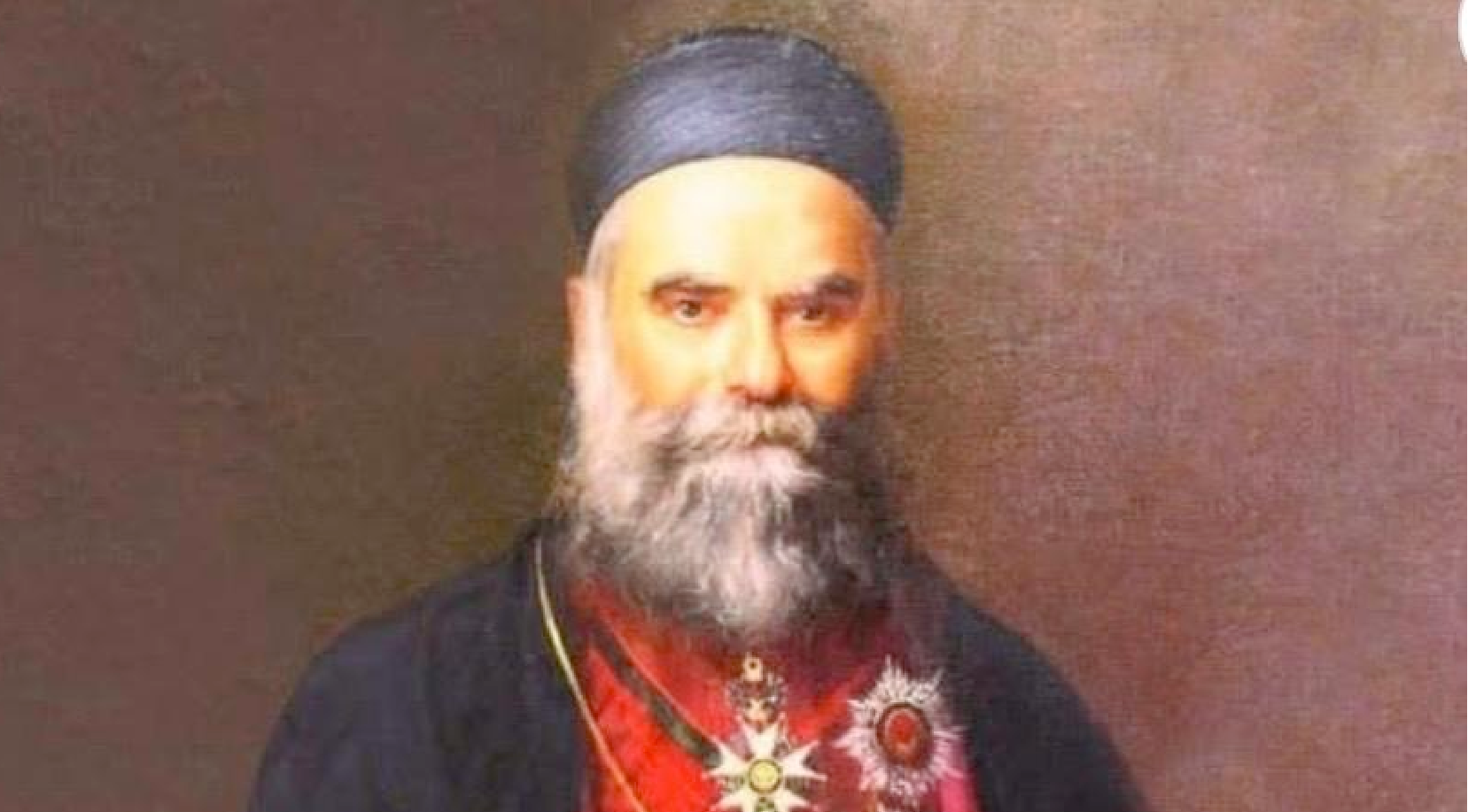
(ZENIT News / Rome, 05.29.2026).- Pope Leo XIV has authorized the promulgation of six decrees from the Dicastery for the Causes of Saints, opening the way for new beatifications and recognizing lives shaped by martyrdom, missionary zeal, hidden holiness, and heroic perseverance.
Among the most significant developments are the future beatification of Maronite Patriarch Elias Hoyek — regarded by many as a founding father of modern Lebanon — and the recognition of 80 martyrs killed during the anti-Catholic persecution of the Spanish Civil War. The decrees, approved on May 22 during an audience with Cardinal Marcello Semeraro, also declared four new venerables whose biographies span four continents and dramatically different vocations.
Taken together, the decisions offer a revealing portrait of the universal Church Leo XIV appears eager to highlight: rooted in doctrine, attentive to suffering, missionary in spirit, and unafraid to remember Christians who gave their lives for the faith.
The most politically and historically resonant cause is perhaps that of Patriarch Elias Hoyek, the Maronite leader who guided Lebanon through famine, Ottoman collapse, and the birth of the modern Lebanese state.
Born in northern Lebanon in 1843, Hoyek entered the seminary at 16 and later studied theology in Rome at the Pontifical Urban College of Propaganda Fide, where he was ordained a priest in 1870 during the opening of the First Vatican Council. Returning home, he quickly emerged as one of the leading figures of the Maronite Church.
His legacy, however, extends far beyond ecclesiastical administration. During World War I, as famine devastated Mount Lebanon under Ottoman rule, Hoyek opened monasteries and convents to the hungry regardless of religious affiliation and even mortgaged patriarchal lands to feed the population. Ottoman authorities considered deporting him, but Vatican and Austro-Hungarian diplomatic intervention reportedly prevented it.
After the war, Hoyek became one of the principal architects of what would become Greater Lebanon in 1920. At the Versailles negotiations following the collapse of the Ottoman Empire, he defended the idea of a pluralistic and multi-confessional Lebanese state — a vision later echoed by St. John Paul II, who famously described Lebanon as “more than a country: a message.”
For many Lebanese Christians today, especially amid ongoing political paralysis and fears about the country’s fragmentation, Hoyek’s forthcoming beatification carries unmistakable national significance. Religious leaders in Lebanon have already described the announcement as “providential” and “a sign of hope” for a nation struggling to preserve both its identity and coexistence model.
The miracle recognized for his beatification dates back to 1965 and concerns the healing of Druze army officer Nayef Abou Assi from chronic bilateral spondylolysis after reportedly dreaming of the patriarch.
If Hoyek represents the Church as builder of nations and guardian of coexistence, the 80 Spanish martyrs evoke another dimension of Catholic memory: persecution endured without renouncing the faith.
The group from Santander includes 67 priests, three Carmelite religious, three seminarians, and seven lay faithful murdered during the Spanish Civil War in the 1930s. Their stories reflect the brutality of the anti-clerical violence that accompanied the conflict: prisoners drowned at sea with stones tied to their bodies, executions aboard prison ships, improvised concentration camps, and clergy killed simply for continuing to administer the sacraments.
One of the most striking figures among them is Father Francisco González de Córdova, parish priest of Santa María del Puerto in Santoña. Despite threats and prohibitions against celebrating Mass, he refused to abandon his people. Arrested and imprisoned aboard the ship Alfonso Pérez, he continued hearing confessions and praying the Rosary. Before execution, he reportedly asked to be shot last so he could absolve and bless the others first. He was 48 years old.
Their recognition comes at a time when historical memory surrounding the Spanish Civil War remains deeply contested politically. Yet the Church continues to insist that these causes are not ideological vindications but testimonies of fidelity unto death.
The decrees also highlight quieter forms of sanctity.
Among the newly declared venerables is Salesian missionary Father Costantino Vendrame, who spent decades serving the poor in India with radical simplicity, walking long distances to remote communities and enduring imprisonment during World War II.
Another is Mother María Ana Alberdi Echezarreta, a Spanish Franciscan Conceptionist nun who guided her community through the upheavals of the Civil War and later through the difficult years of post–Vatican II reform. Remembered for her gentleness and wisdom, she dedicated her life to what she described as “attaining holiness through love.”
Particularly moving is the story of Brother Jean-Thierry of the Child Jesus and the Passion, a young Cameroonian Discalced Carmelite who died in Italy in 2006 at only 23 years old after battling bone cancer. Deeply devoted to the Rosary, he offered his suffering for priestly and religious vocations after realizing he would likely not recover. As he lay dying, he made his solemn profession on December 8, 2005. Witnesses say his final words were: “So much light… How beautiful Jesus is.”
Finally, Pope Leo XIV recognized the heroic virtues of Capuchin lay brother Fra Nazareno da Pula, affectionately known in Sardinia as “the saint of sweets.” A former prisoner of war in Ethiopia during World War II, he later met Padre Pio and eventually entered the Capuchins at age 39. He became famous for distributing orange and lemon candies while encouraging people to pray a Hail Mary before eating them. Beneath the simplicity of the gesture was a deeply Franciscan spirituality centered on humility, prayer, and ordinary charity.
The decrees collectively reveal a strikingly broad ecclesial geography: Lebanon, Spain, India, Cameroon, Sardinia. Yet despite their diversity, the lives recognized share a common thread. None sought prominence. Some governed churches and influenced nations; others cooked meals, begged for alms, or died young in obscurity. But all embodied a Catholic vision in which holiness is inseparable from sacrifice, truth, service, and hope.
Thank you for reading our content. If you would like to receive ZENIT’s daily e-mail news, you can subscribe for free through this link.

Publicaciones relacionadas:
 Pope Francis approves canonizations of first Venezuelan saint and first saint from Papua New Guinea
 Vatican approves beatification of Fulton Sheen, the American bishop who won an Emmy
 Catholic nuns in Gaza facing Israeli bombing threat: we will not flee without our sick and elderly people
 A Forgotten Apostle of Molokai: Hawaii Establishes a Day to Honor Brother Joseph Dutton
