

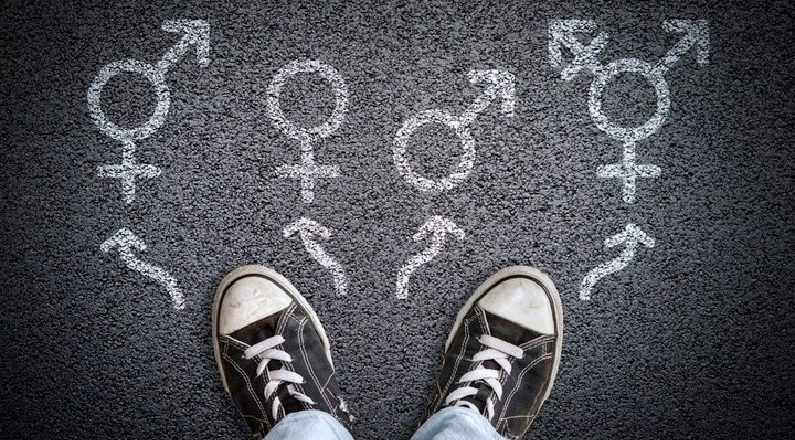
(ZENIT News / Washington, 06.22.2026).- A new Gallup survey suggests that one of the most significant cultural shifts of the past decade may be entering a new phase. After years in which public attitudes appeared to move steadily toward greater acceptance of gender transition, support has begun to retreat, revealing a more complex and cautious national conversation.
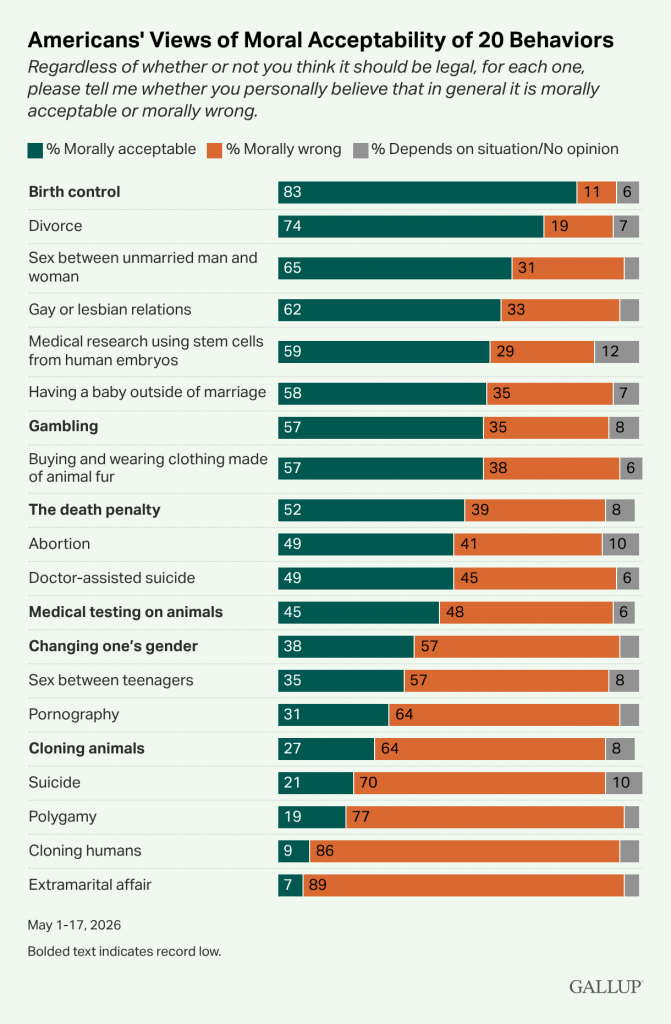
According to Gallup’s 2026 Values and Beliefs survey, conducted between May 1 and May 17, only 38 percent of Americans now consider changing one’s gender to be morally acceptable, while 57 percent regard it as morally wrong. Gallup noted that this is the lowest level of moral approval recorded since the question was first included in the survey.
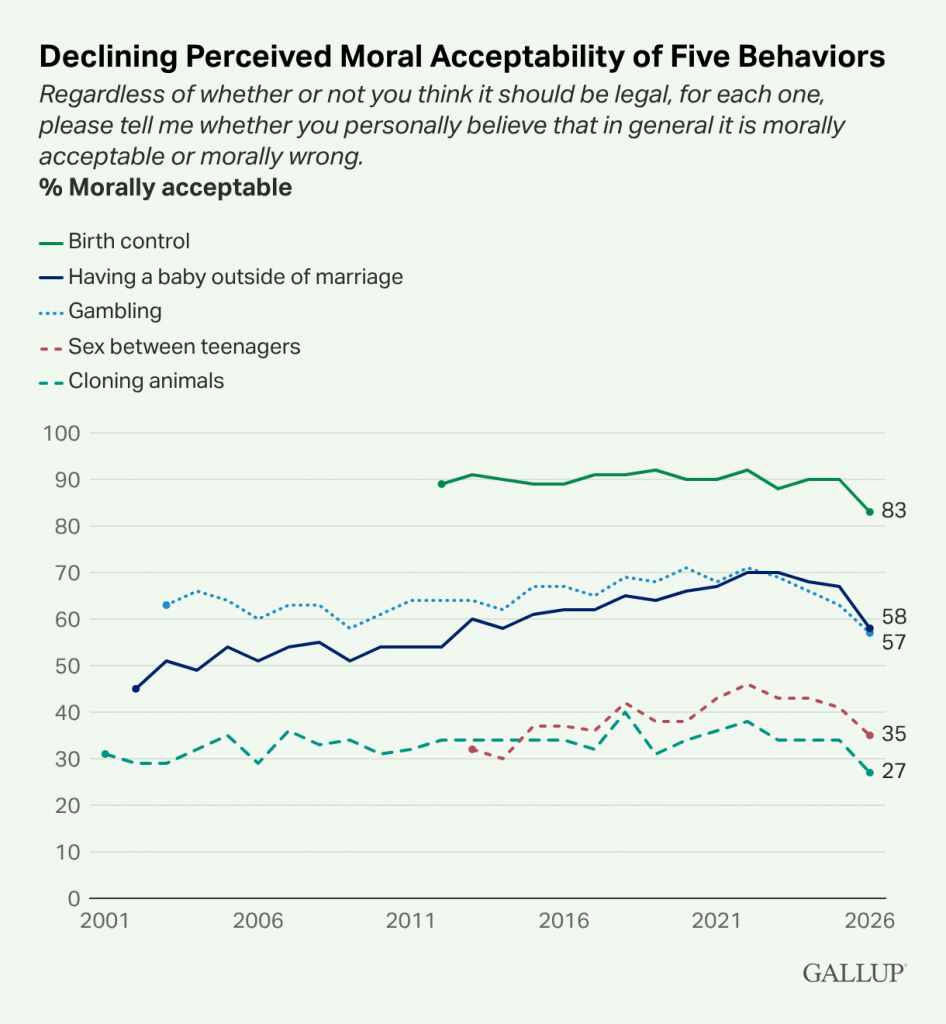
The findings are particularly noteworthy because the poll asked respondents to distinguish between morality and legality. Americans were not being asked whether gender transition should be permitted under the law, but whether they personally considered it morally acceptable. That distinction offers a clearer picture of underlying cultural attitudes than many political surveys.
The decline is evident across several demographic groups. In 2021, 46 percent of Americans considered gender transition morally acceptable. Five years later, that figure has fallen by eight percentage points. Among adults aged 35 to 54, approval dropped from 51 percent to 40 percent. For those aged 55 and older, support declined from 38 percent to 24 percent.
Perhaps most striking is the change among women. Half of American women viewed gender transition as morally acceptable in 2021; today, only 38 percent do so. The reasons behind this shift remain the subject of intense debate, but many observers point to growing public discussion about women’s sports, privacy concerns in sex-segregated spaces, and broader questions about the relationship between biological sex and gender identity.
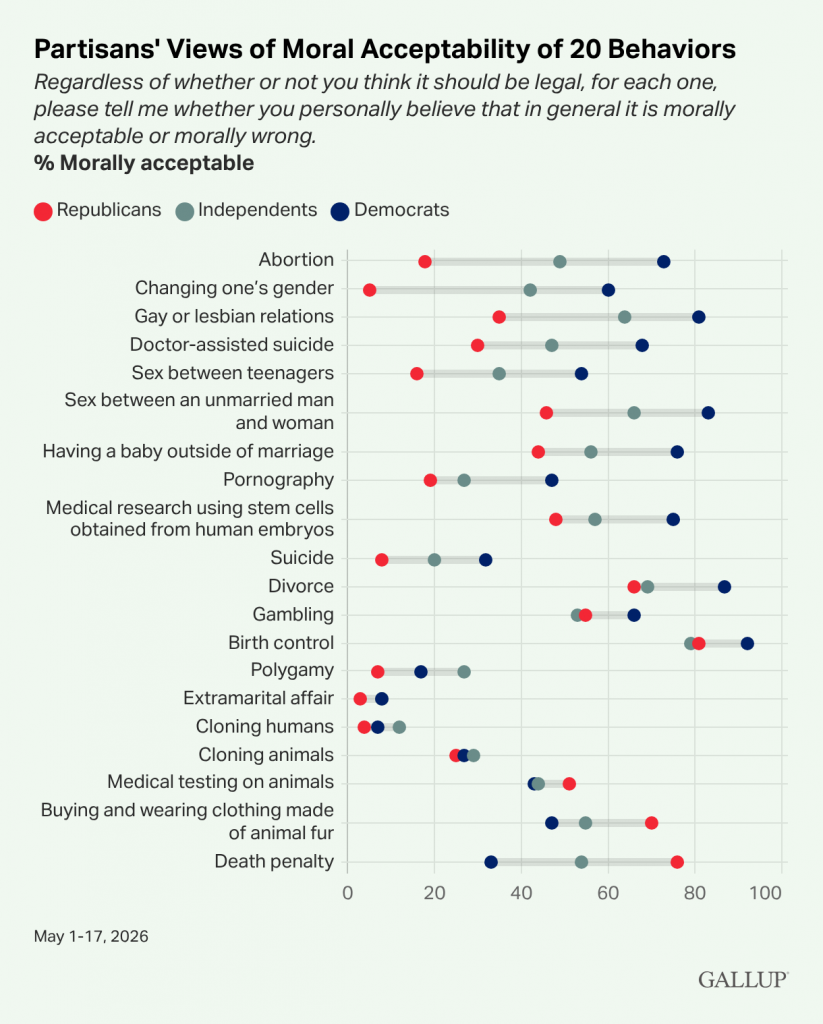
Political divisions remain pronounced. Just 5 percent of Republicans now describe gender transition as morally acceptable, a dramatic decline from previous years. Among Democrats, support remains significantly higher at 60 percent, although that figure also represents a decrease from earlier polling. Independents occupy a middle position, with 42 percent expressing moral approval.
The new Gallup data do not stand alone. Other surveys conducted over the past two years suggest that Americans often distinguish between respect for individuals who identify as transgender and support for specific public policies. Polling from Pew Research Center found majority support for limiting participation in women’s sports to athletes of the sex category for which competitions were organized, while majorities also expressed support for restrictions on gender-transition procedures for minors and opposition to mandatory insurance coverage for transition-related treatments.
Political strategists have also taken notice. Analyses conducted after the 2024 presidential election indicated that many voters, particularly independents and swing voters, believed national political leaders were devoting excessive attention to cultural disputes while economic concerns such as inflation, wages, and housing costs remained unresolved. A subsequent Democratic National Committee review reportedly acknowledged that messaging around transgender issues had become politically challenging in some key constituencies.
The role of women in this evolving debate has become increasingly prominent. Public figures such as author J.K. Rowling have helped bring concerns about female-only spaces, sports competition, and safeguarding policies into mainstream discussion. Whatever one’s position on the broader transgender debate, these issues have generated growing public attention and have contributed to a wider reassessment of questions that only a few years ago appeared largely settled in elite political and cultural circles.
What emerges from the latest polling is not necessarily a wholesale rejection of transgender-identifying individuals, but rather a sign that many Americans are reconsidering how society should balance competing concerns involving personal identity, parental rights, medical ethics, women’s interests, and public policy.
Thank you for reading our content. If you would like to receive ZENIT’s daily e-mail news, you can subscribe for free through this link.

Publicaciones relacionadas:
 USA Succumbs to Gay Ideology: Data on Acceptance of Same-Sex Unions to 2024
 Transsexual Lia Thomas Loses Legal Battle: World Aquatics Impedes His Competing in the Women’s Category
 The Bizarre Alliance Between Transgenderism and Abortion
 Oxford study confirms that “sex change” operations increase suicide and depression
