

(ZENIT News / Dublin, 06.22.2026).- Eight years after Ireland’s historic referendum overturned constitutional protections for unborn children, the country is once again engaged in a fierce debate over abortion policy. This time, the controversy centers on a safeguard that supporters say has given thousands of women the opportunity to reconsider a life-altering decision: the mandatory three-day waiting period before an abortion can take place.
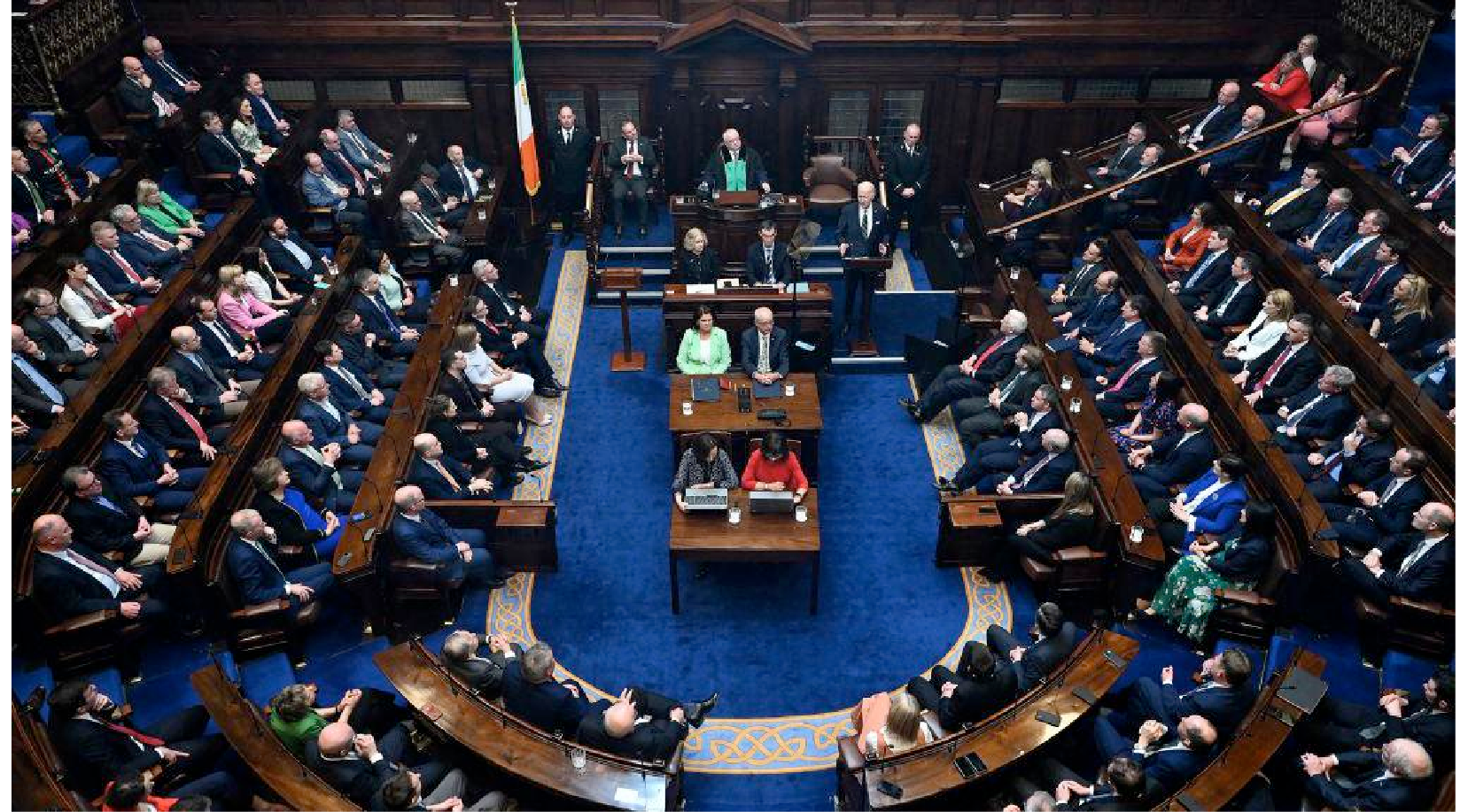
On June 17, Ireland’s Dáil approved legislation that would abolish the waiting period by a vote of 86 to 70. The proposal, introduced by Sinn Féin, now advances for further legislative scrutiny, but the vote marks a significant step toward removing one of the last restrictions remaining within Ireland’s abortion framework.
The measure would eliminate the current requirement that women wait three days between an initial medical consultation and an abortion during the first twelve weeks of pregnancy. Opponents argue that it serves an important protective function by allowing time for reflection before an irreversible decision is made.
The political divide has not followed traditional party lines. While Taoiseach Micheál Martin and Tánaiste Simon Harris supported moving the bill forward, several government figures opposed the measure on grounds of conscience. Children’s Minister Norma Foley, for example, argued that the waiting period formed part of the framework presented to voters during the 2018 referendum campaign and should not be discarded lightly.
The debate has been fueled by statistics that both sides interpret very differently.
Official figures show that Ireland recorded 10,852 abortions in 2024, the highest annual total since abortion was legalized. By comparison, 10,033 abortions were reported in 2023. Since the introduction of abortion legislation in 2019, nearly 49,000 abortions have been carried out in the Republic.
For supporters of the waiting period, another set of numbers is even more significant. Government data indicate that in 2022, 10,779 women attended an initial abortion consultation, yet 8,156 abortions were ultimately performed. Similar patterns have been observed in other years. Pro-life organizations estimate that more than 10,000 women between 2019 and 2024 did not proceed to complete the abortion process after beginning it.
Not all of those cases necessarily represent changes of heart. Some involved miscarriages, medical complications, or referrals to hospital care. Nevertheless, opponents of the reform contend that thousands of women likely reconsidered their decision during the mandatory reflection period and chose to continue their pregnancies.
Among the most outspoken critics has been Peadar Tóibín, leader of the pro-life Aontú party. During parliamentary debate, he described the growing abortion figures as a national tragedy, noting that annual abortions have roughly tripled compared with pre-legalization levels. He accused political leaders of showing little interest in examining the reasons behind the increase or exploring ways to reduce the number of women who feel abortion is their only option.
Supporters of the bill present a very different perspective. Sinn Féin representatives argue that the legislation is fundamentally about trusting women and removing barriers they believe no longer serve a legitimate medical purpose. Party leader Mary Lou McDonald welcomed the vote as one of the most significant developments in abortion policy since the repeal of the Eighth Amendment, while Sinn Féin deputy Donna McGettigan framed the reform as an issue of respect for women’s autonomy.
The vote also highlights Ireland’s continuing cultural transformation. For generations, the country was regarded as one of Europe’s strongest Catholic societies. That identity has undergone profound changes in recent decades, culminating in the 2018 referendum in which 66.4 percent of voters supported repealing the Eighth Amendment, while 33.6 percent favored retaining constitutional protection for unborn life.
Yet the current controversy suggests that the abortion debate did not end with that referendum. Instead, new questions have emerged about where the limits of abortion legislation should lie and whether safeguards introduced as part of the original compromise should remain in place.
Ireland’s Catholic bishops recently entered the discussion with a statement expressing concern not only about the growing number of abortions but also about what they described as a lack of public interest in understanding why so many women seek abortions and what support they receive afterward. The bishops contrasted the national mobilization seen during the COVID-19 pandemic with what they view as a striking absence of urgency regarding the loss of unborn life.
Thank you for reading our content. If you would like to receive ZENIT’s daily e-mail news, you can subscribe for free through this link.

Publicaciones relacionadas:
 Exposé Reveals Troubling Intersection Between Abortion Practices and Satanic Rituals in the U.S.
 The “grandmother” who has spent a total of 11 years in jail for opposing abortion
 Lack of Demand for Contraceptives?
 Bishop Chairmen Praise Legislation “Helping Mothers to be Able to Welcome Their New Children”
