

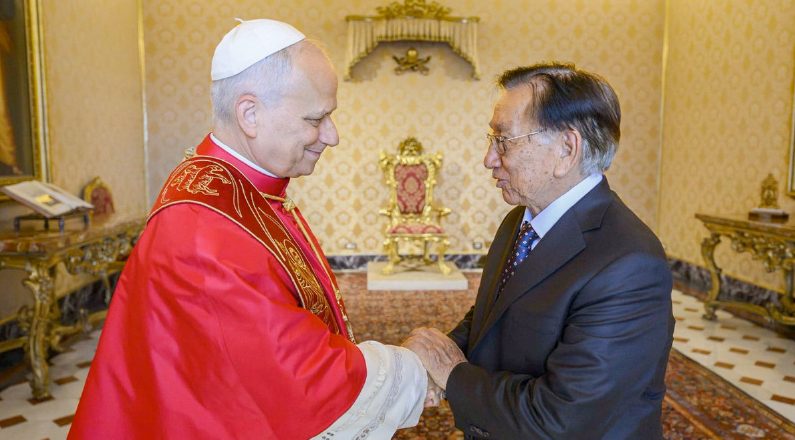
(ZENIT News / Rome, 06.18.2026).- For Pope Leo XIV, the journey planned for November will not simply be another international apostolic visit. It will be a return to a country that shaped much of his priestly identity, a place where he spent more than twenty years as a missionary, pastor, and bishop before being called to greater responsibilities in the universal Church.
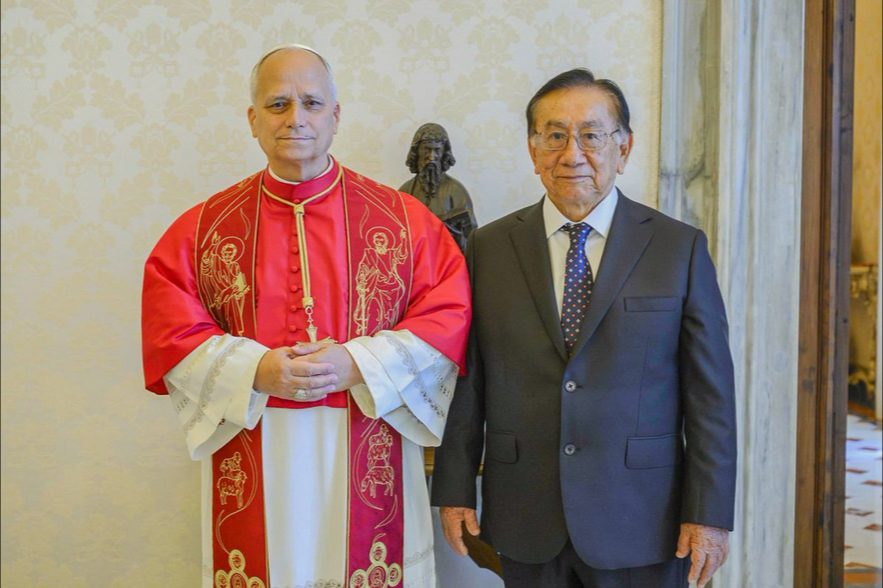
The Vatican has not yet formally published the itinerary, but Peru’s interim president, José María Balcázar, announced after a lengthy audience with the Pontiff that Leo XIV personally confirmed his intention to visit Peru during the first half of November 2026. According to Balcázar, the Pope’s route will include Lima, Chiclayo, Piura, Pucallpa in the Amazon region, and Cusco.
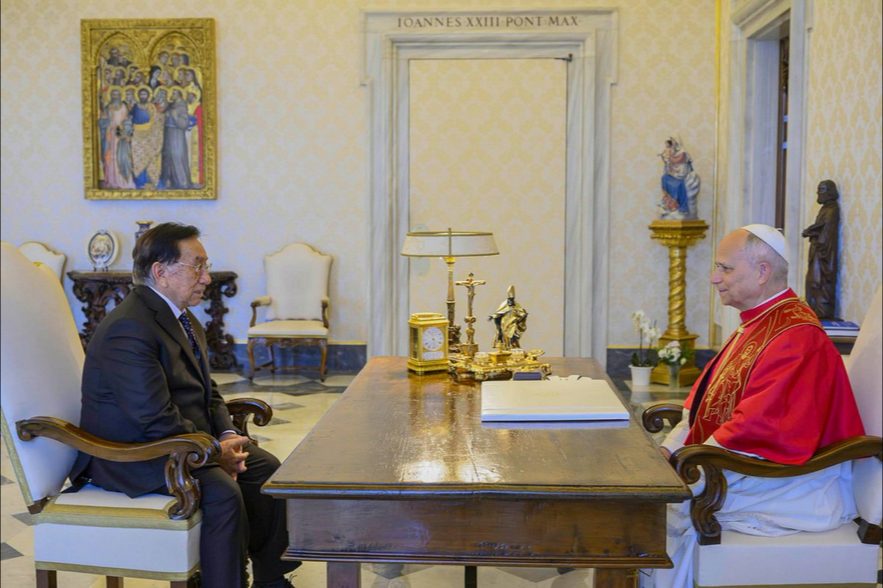
The announcement carries particular significance because of the unique relationship between Leo XIV and Peru. Although born in Chicago as Robert Francis Prevost, the future Pope dedicated a substantial part of his ministry to the South American nation. He first arrived as an Augustinian missionary and later became bishop of Chiclayo, a role that earned him deep affection among local Catholics. His bond with the country became even more formal in 2015 when he obtained Peruvian citizenship.
In many ways, the visit will resemble a spiritual homecoming. During recent public appearances, the Pope has frequently referred to Peru with familiarity and affection, often recalling experiences that helped shape his pastoral vision. The inclusion of Chiclayo on the itinerary is therefore unsurprising. For many Peruvians, the city is closely associated with the years in which the future pontiff exercised episcopal leadership before being called to Rome.
According to Balcázar, Leo XIV has expressed a desire to reach not only major urban centers but also smaller communities, particularly in northern Peru and the Amazon region. To facilitate this objective, the Peruvian government is prepared to provide helicopters so that the Pope can travel to remote locations that are difficult to access by conventional means.
The visit comes at a politically sensitive moment. Peru remains immersed in uncertainty following the presidential runoff election of June 7, with final results still under intense scrutiny. The close contest between Keiko Fujimori and Roberto Sánchez has generated tensions and public demonstrations, prompting questions about whether political instability could affect the papal journey.
According to the interim president, Leo XIV addressed the situation during their conversation, expressing hope that the electoral process would proceed peacefully, that conflicts would be avoided, and that democratic outcomes would be respected. The comments are consistent with a theme that has frequently appeared in the Pope’s public interventions: the conviction that political disagreements should be resolved through dialogue and institutional stability rather than confrontation.
The audience extended well beyond preparations for the trip itself. Balcázar revealed that discussions also touched on migration and artificial intelligence, two subjects that have become increasingly important in Vatican diplomacy and social teaching. Both issues have featured prominently in Leo XIV’s early pontificate, reflecting concerns about technological transformation, human dignity, and the movement of vulnerable populations across borders.
The meeting also offered lighter moments that highlighted the Pope’s enduring connection to Peruvian culture. According to the president, the conversation turned to regional cuisine, with Leo XIV fondly recalling dishes such as cabrito, loche, and arroz con pato—specialties strongly associated with northern Peru. The delegation presented the Pontiff with traditional gifts, including an alpaca garment and a «King Kong,» the famous layered confection that originated in the Chiclayo region and remains one of Peru’s best-known sweets.
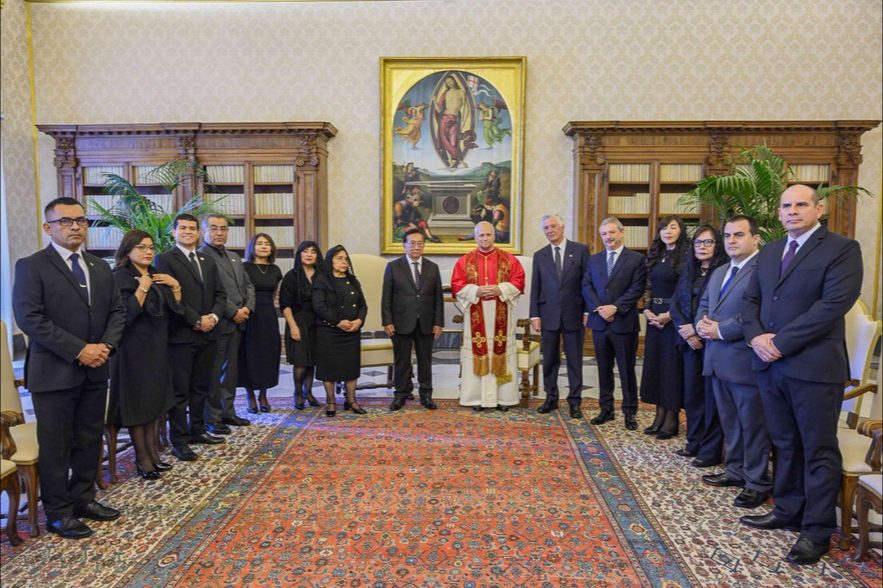
Beyond the papal audience, Peruvian officials met with Cardinal Pietro Parolin and Archbishop Paul Richard Gallagher. According to the Holy See, the discussions addressed bilateral relations, socioeconomic development, illegal mining, social cohesion, migration, organized crime, and the international consequences of ongoing conflicts. Both sides reportedly expressed satisfaction with the current state of relations between Peru and the Holy See and a desire to deepen cooperation further.
The confirmation of the Peruvian visit has also fueled speculation about a broader South American tour. Vatican sources indicate that preparations for visits to Argentina and Uruguay are advancing, although no official announcement has yet been made. Some observers believe those stages could follow Peru later in November, creating what would become the first major Latin American journey of Leo XIV’s pontificate.
Thank you for reading our content. If you would like to receive ZENIT’s daily e-mail news, you can subscribe for free through this link.

Publicaciones relacionadas:
 The Pope’s Complete Agenda: Mass for the Inauguration of the Pontificate, Possession of Rome Cathedrals, and First General Audience
 3 key words of the missionary action of the Church and of the work of the Holy See’s diplomacy, according to Leo XIV
 2 dimensions of the mission entrusted to Peter by Jesus and meditated on by Pope Leo at the Mass at the beginning of his pontificate
 7 out of 10 Spanish citizens believe that Leo XIV’s papacy will be good or better than that of Pope Francis
