

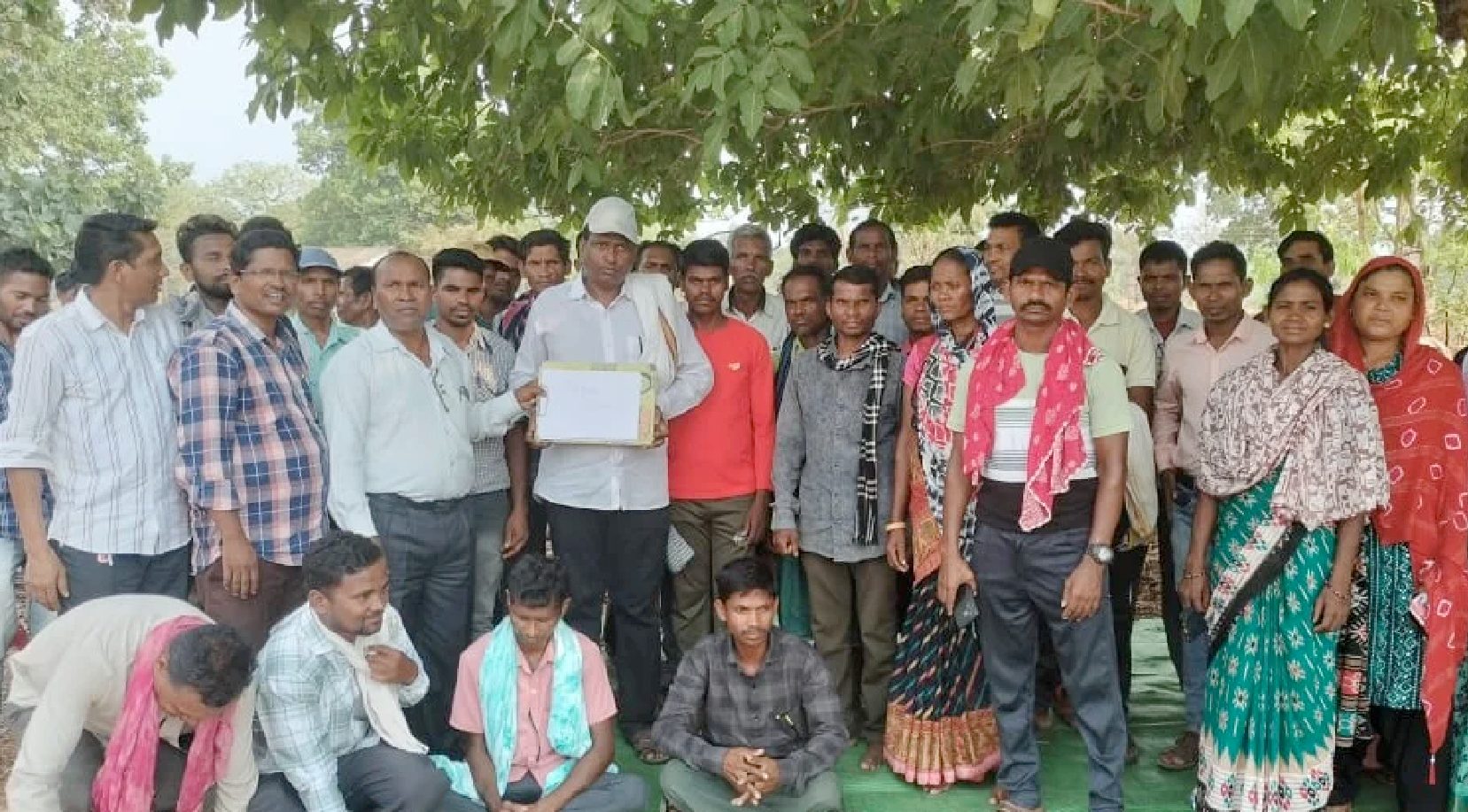
(ZENIT News – ICC / India, 06.02.2026).- More than 180 Christian families in 32 villages across Chhattisgarh’s Kanker district in India have reportedly been denied access to communal water sources and livelihood opportunities for the past three weeks as punishment for refusing to leave their Christian faith.
Many Christian families in the Antagarh region of the district have been barred from using community rivers, ponds, taps, and hand pumps. At the same time, individuals have been denied work under a government employment scheme, and families have been prevented from collecting and selling forest produce.
Denial of Natural Resources
The Kanker district of central India’s Chhattisgarh state is tribal dominated with vast areas of deciduous forests. The primary sources of livelihood for such tribal communities, also known as Adivasis, are subsistence agriculture and the collection of Non-Timber Forest Products (NTFPs).
These two activities are deeply intertwined, with the forests acting as a vital economic safety net for food security and supplemental cash income for the Adivasis.
Tribals use the state’s abundant forest resources to gather produce for direct consumption and sell surpluses in local weekly markets, known as “haat-bazars.”
For example, Tendu leaves used for rolling bidis, or local cigarettes, are a massive source of income, heavily supported by state minimum support price (MSP) schemes. Other products include mahua flowers and seeds collected for food, oil extraction, and brewing traditional liquor, as well as chironji, amla, tamarind, honey, and bamboo.
Now this forest produce itself is being denied to the Adivasi Christians along with water, a vital need especially during this year’s sizzling summer season.
Reported Issues
Around 26 families have allegedly been denied access to water sources such as hand pumps, taps, ponds, and rivers.
Nearly 41 families have reportedly been denied employment opportunities under the Mahatma Gandhi National Rural Employment Guarantee Act (MGNREGA). More than 100 families have allegedly been excluded from Tendu leaf procurement activities.
And firewood used for cooking for four families — about four tractor-trolley loads — has reportedly been taken away forcefully.
Now these families fear that they may not be allowed to cultivate their agricultural lands during the rainy season, work on their farms, or harvest lac crops from trees.
Pressure to Abandon Faith
Christian community leaders have stated that these severe boycotts are aimed at pressuring believers into abandoning their faith and participating in Ghar Wapsi or “homecoming” programs, meaning re-converting to Hinduism.
These areas of the Kanker districts have also previously seen broader tensions in the past, with various local village authorities issuing resolutions to restrict Christian burials and the entry of pastors. Many of these situations, which International Christian Concern (ICC) has previously reported on, have ended violently, with police and district administrations unable to take decisive action to prevent the atrocities.
Extremist groups and village leaders frequently enforce these bans by cutting off access to rivers, ponds, and hand pumps, preventing Christians from farming, and even blocking burial sites for deceased believers.
Futile Complaints
Representatives of Chhattisgarh civil rights organizations like the Progressive Christian Alliance and Jila Masih Astha Samaj have submitted written complaints to the district administration and police authorities regarding the water denial and threats.
Despite these complaints, affected communities continue to face severe hardships.
Thank you for reading our content. If you would like to receive ZENIT’s daily e-mail news, you can subscribe for free through this link.

Publicaciones relacionadas:
 Mapuche terrorist group sets fire to church in Chile
 China Issues the Implementation Measures for the Administration of Internet Religious Information Services
 Burkina Faso: Terrorists carry out brutal massacre over three days
 Freedom Before Christmas: Nigeria’s St. Mary’s Abductions End, but the Questions Remain
